
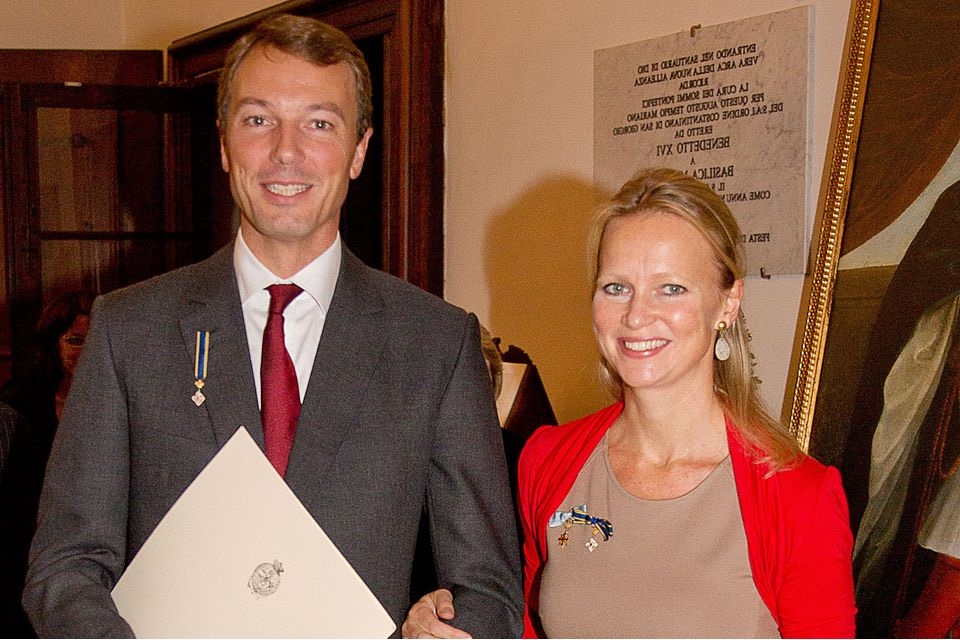
Fortune de la Famille Brenninkmeijer : Le Patrimoine Caché Derrière C&A et Cofra Holding
C&A Et Fortune Brenninkmeijer : À Combien S’élève Leur Patrimoine Familial en 2026?
Franchement, peu de noms dans le commerce européen évoquent autant de discrétion que celui des Brenninkmeijer. Cette famille néerlandaise a créé l’enseigne C&A, et depuis plus d’un siècle, elle gère son empire textile avec une réserve presque légendaire.
Derrière les vitrines familières, on découvre une organisation familiale complexe. Les Brenninkmeijer se laissent guider par des valeurs de sobriété, de foi, et une vision à long terme.
C&A et la famille Brenninkmeijer incarnent l’un des modèles les plus secrets et durables du retail européen. Une part essentielle de leur vie économique se joue aujourd’hui en Belgique. Là-bas, le groupe a trouvé un terrain stable pour ses opérations, ses investissements, et sa gouvernance.

Ils continuent de préserver une discrétion rare dans un monde des affaires de plus en plus exposé. Ce parcours, qui a débuté dans une petite ville des Pays-Bas au XIXᵉ siècle, s’est transformé en un réseau international mêlant distribution, immobilier et finance.
On peut se demander comment cette famille a bâti et protégé son empire tout en restant presque invisible. Leur histoire éclaire une autre manière de voir le succès dans le commerce moderne.
Les origines secrètes de la famille Brenninkmeijer
La famille Brenninkmeijer, qui a fondé C&A, vient du commerce du lin et du coton entre l’Allemagne et les Pays-Bas. Leur histoire montre comment une petite activité artisanale s’est transformée en un réseau commercial solide.
Finalement, ils sont devenus un acteur majeur du prêt-à-porter européen.
Les racines à Mettingen et Sneek
Visit Brenninkmeijer viennent de Mettingen, une petite ville de Westphalie, en Germany. Dès le XVIIᵉ siècle, leurs ancêtres vendaient du lin sur les routes vers les Netherlands.
Ce commerce leur a donné une solide expérience dans la production et la vente de textiles. Au XIXᵉ siècle, Clemens and August Brenninkmeijer ont appris le métier dans cet environnement.

Leur père, aussi marchand, leur a transmis la rigueur et la discipline. En 1841, ils quittent Mettingen pour Sneek, au nord des Netherlands, et fondent leur première entreprise : C&A Brenninkmeijer.
Leurs débuts étaient modestes. Les deux frères vivaient au-dessus de leur entrepôt et vendaient eux-mêmes leurs produits.
Cette proximité avec les clients leur a permis de comprendre les besoins du marché local. Petit à petit, ils ont bâti une réputation de fiabilité.
L’expansion initiale aux Pays-Bas
À Sneek, le commerce de lin et de coton des Brenninkmeijer prend vite de l’ampleur. Leur sens de l’organisation et leur gestion prudente favorisent une croissance stable.
Ils étendent ensuite leurs activités vers d’autres villes, comme Leeuwarden and Amsterdam. De nouveaux magasins ouvrent dans les années 1880 et 1890.
| Year | Ville | Key event |
|---|---|---|
| 1841 | Sneek | Fondation de C&A Brenninkmeijer |
| 1860 | Sneek | Ouverture du premier magasin |
| 1881 | Leeuwarden | Deuxième point de vente |
| 1893–1896 | Amsterdam | Début de la présence nationale |
Cette expansion repose sur une idée simple : proposer des vêtements de qualité à prix juste. Les Brenninkmeijer posent ainsi les bases d’un modèle commercial durable, centré sur l’accessibilité et la confiance.
Le passage de marchands itinérants à industriels du textile
Visit Brenninkmeijer ont su évoluer avec leur époque. À la fin du XIXᵉ siècle, la machine à coudre et la montée du prêt-à-porter changent la donne.
Ils arrêtent de vendre uniquement du lin brut et commencent à produire et distribuer des vêtements finis. Leur transition vers l’industrie textile marque un vrai tournant.
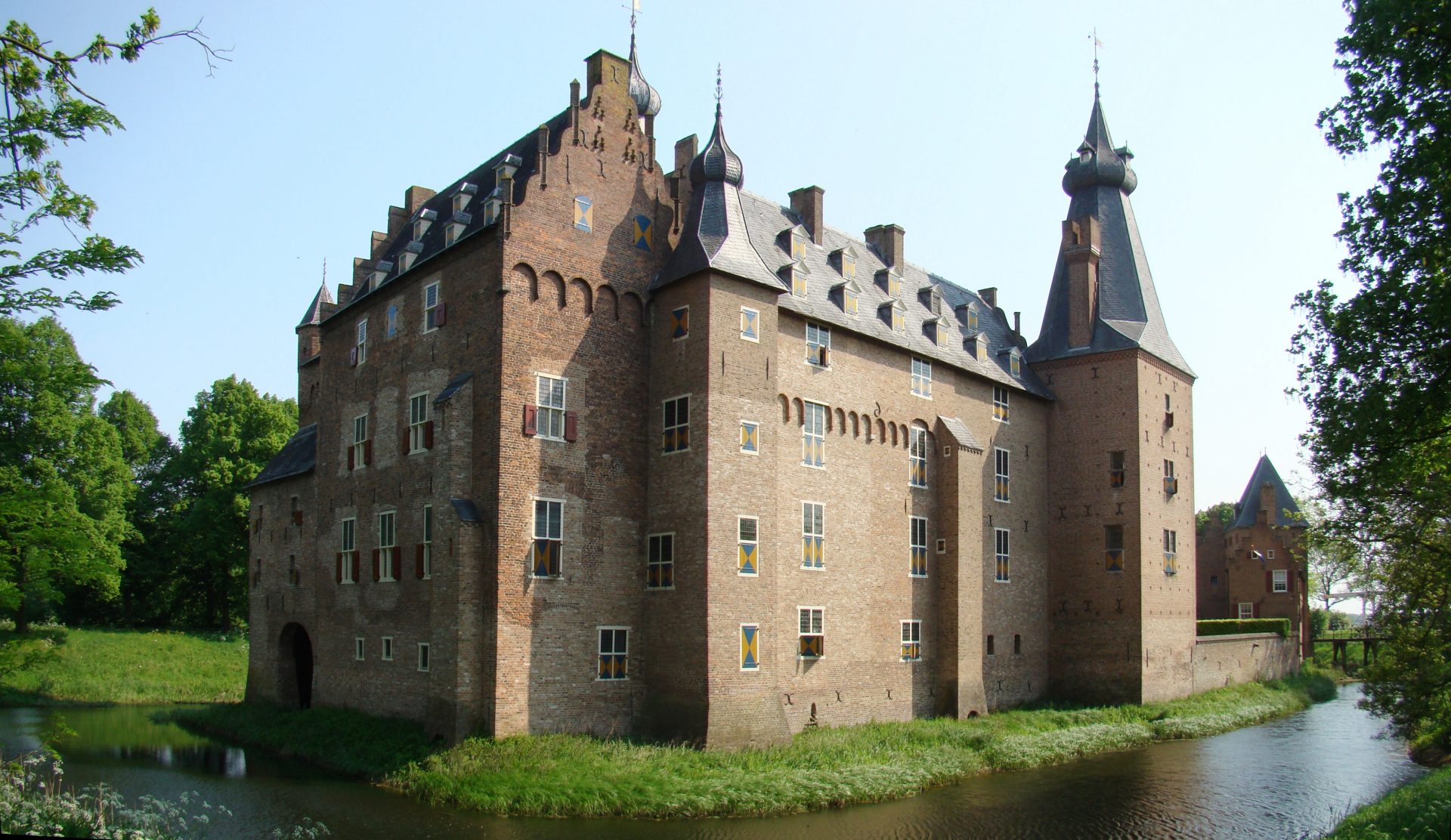
En adoptant les nouvelles technologies, ils proposent des tailles standardisées et réduisent les coûts de production. Cette approche rend la mode plus accessible et prépare la voie au premier grand magasin C&A.
En quelques années, la famille passe du statut de marchands itinérants à celui d’entrepreneurs modernes. Leur réussite s’appuie sur un équilibre entre tradition commerciale allemande et esprit d’innovation néerlandais.
La fondation et l’essor de C&A
L’entreprise C&A, née au XIXᵉ siècle, incarne la transition du commerce textile artisanal vers la distribution moderne de vêtements. Elle bâtit sa réputation sur des prix accessibles, un modèle familial solide, et une capacité à anticiper les besoins des consommateurs européens.
L’ouverture du premier magasin C&A
Visit 1841, les frères Clemens et August Brenninkmeijer lancent leur entreprise à Sneekto Netherlands. Ils commencent avec la vente de lin et de coton, financée par un prêt familial.
Ils misent sur la proximité avec les clients et la fiabilité de leurs produits. En 1860, ils ouvrent leur premier magasin C&A.
Ce point de vente marque le passage d’un commerce itinérant à une enseigne fixe. Les deux frères vivent au-dessus de leur entrepôt et gèrent eux-mêmes les ventes.

Cette proximité renforce la confiance de leur clientèle locale. L’entreprise se développe rapidement.
De nouveaux magasins ouvrent à Leeuwarden and Amsterdam à la fin du XIXᵉ siècle. Cette expansion prépare le terrain pour le futur réseau européen du détaillant.
| Year | Key event | Location |
|---|---|---|
| 1841 | Fondation de C&A Brenninkmeijer | Sneek, Pays-Bas |
| 1860 | Ouverture du premier magasin | Sneek |
| 1893-1896 | Expansion vers Amsterdam | Netherlands |
L’essor du prêt-à-porter en Europe
L’arrivée de la machine à coudre change la production textile. C&A adopte vite cette innovation et introduit le prêt-à-porter.
Les vêtements deviennent accessibles à un large public. Au début du XXᵉ siècle, la marque s’étend en Germany, puis en Belgiumin France and in Switzerland.
Elle devient un acteur majeur du commerce de détail européen. C&A mise sur des marges faibles mais des volumes élevés.
Cette stratégie permet d’offrir des produits abordables sans sacrifier la qualité. En 1911, l’ouverture d’un grand magasin à Berlin symbolise sa réussite internationale.
Les innovations comme le libre-service and caisses enregistreuses mécaniques modernisent l’expérience d’achat. Elles renforcent aussi l’efficacité du modèle.

Fortune De La Famille Brenninkmeijer : Une Richesse De 26,5 Milliards D’euros
Derrière la discrétion presque légendaire de la famille Brenninkmeijer se cache l’une des plus grandes fortunes d’Europe. En 2026, leur family patrimony peut être estimé à 26,5 milliards d’euros. Les classements de grandes fortunes néerlandaises les placent déjà autour de 22 milliards d’euros, et d’autres estimations récentes parlent de plus de 25 milliards d’euros, ce qui en fait la famille la plus riche des Pays-Bas et l’une des plus puissantes du retail mondial.
This fortune Brenninkmeijer est structurée autour de Cofra Holding, le groupe basé à Zoug qui coordonne l’ensemble des activités familiales : C&A pour le prêt-à-porter, Redevco pour l’immobilier commercial, Bregal Investments pour le private equity et Anthos pour la gestion financière. L’ensemble de ces activités gère plus de 35 milliards d’euros d’actifs(famille + capitaux externes), ce qui donne une idée de la puissance patrimoniale concentrée entre les mains du clan.
Comment Se Compose Leur Patrimoine ?
On peut résumer la fortune de la famille Brenninkmeijer autour de trois grands blocs :
| Pilier du patrimoine | Estimation 2025 | Contenu principal |
|---|---|---|
| Commerce & retail (C&A, activités liées) | 10,2 milliards d’euros | Parts dans C&A Europe, C&A Brésil, activités retail historiques |
| Immobilier & foncier (Redevco, etc.) | 8,6 milliards d’euros | Portefeuille d’immeubles commerciaux et urbains en Europe & au-delà |
| Private equity & actifs financiers | 7,7 milliards d’euros | Fonds Bregal, placements via Anthos, liquidités et participations |
Revenus, “Salaire” Familial Et Rendement De La Fortune
La famille Brenninkmeijer ne vit pas d’un “salaire” classique, mais plutôt de dividendes, de distributions internes et de rendements d’actifs. Avec une fortune évaluée à 26,5 milliards d’euros, un rendement global (dividendes, loyers, intérêts, plus-values) de 3,5 % représente déjà 927,5 millions d’euros par an qui peuvent remonter, directement ou indirectement, vers les différents membres du clan.

En pratique, ce “revenu familial” se diffuse via :
- les bénéfices remontés par C&A et les autres filiales opérantes,
- les loyers et cash-flows nets du portefeuille immobilier de Redevco,
- les distributions des fonds de private equity Bregal,
- les rendements gérés par Anthos pour le compte de la famille.
Même en réinvestissant une large partie de ces flux, on comprend vite que la fortune des Brenninkmeijer continue de croître mécaniquement, année après année.
Les valeurs fondatrices et le modèle d’affaires
Les Brenninkmeijer dirigent leur entreprise selon des valeurs de travail, intégrité and modération. Leur objectif reste de proposer une mode de qualité à prix raisonnable, sans spéculation excessive.
Leur modèle repose sur trois piliers :
- Prix justes pour attirer une clientèle large.
- Réinvestissement des bénéfices pour soutenir la croissance.
- Gestion familiale discrète pour préserver la stabilité.
Aujourd’hui basée en Belgium, la société garde l’esprit de ses débuts. Elle combine une structure internationale avec une gestion prudente et une attention constante aux besoins des consommateurs européens.
L’implantation stratégique de C&A en Belgique
C&A considère la Belgique comme un pilier logistique et commercial essentiel en Europe. Le pays joue un rôle clé dans le développement de son réseau, la gestion de ses opérations et la modernisation de ses magasins.
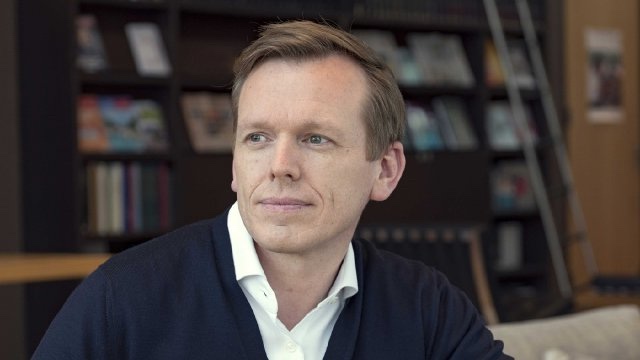
L’arrivée sur le marché belge
C&A arrive en Belgique au début du XXe siècle. Elle profite de la position centrale du pays dans le commerce européen.
L’entreprise ouvre ses premiers magasins dans les grandes villes comme Bruxelles, Anvers et Liège. Elle attire rapidement une clientèle urbaine à la recherche de vêtements abordables et fiables.
Au fil des décennies, C&A adapte son offre aux habitudes locales. Les collections reflètent les besoins des familles belges et la diversité culturelle du pays.
Cette approche pragmatique renforce la réputation de la marque comme détaillant accessible et stable. Aujourd’hui, plus de 100 magasins couvrent le territoire belge.
L’entreprise continue d’investir dans la rénovation de ses points de vente. Elle prévoit un plan de modernisation de 50 millions d’euros sur trois ans, visant à rénover environ 75 % de son réseau.
L’importance de la Belgique dans le groupe
La Belgique occupe une place stratégique dans la structure européenne de C&A. Située entre les marchés néerlandais, français et allemand, elle sert de plateforme d’équilibre entre différentes cultures de consommation.
Le pays accueille plusieurs fonctions régionales, dont la coordination du marketing et la logistique pour l’Europe de l’Ouest. Les magasins belges servent souvent de sites pilotes pour tester de nouveaux concepts, comme le programme européen C&A for you.
Cette centralité géographique et opérationnelle aide C&A à gérer efficacement ses flux de produits. Elle permet aussi d’adapter ses stratégies commerciales.
La Belgique agit comme un laboratoire à taille réelle pour les innovations du groupe.
Le siège et les opérations à Vilvoorde
Le siège belge de C&A se trouve à Vilvoorde, près de Bruxelles. Ce site regroupe les équipes de direction, de gestion des stocks et de support aux magasins.
Sa localisation offre un accès rapide aux principaux axes routiers et aux centres de distribution européens. Vilvoorde abrite aussi des services liés à la logistique, la finance et les ressources humaines.
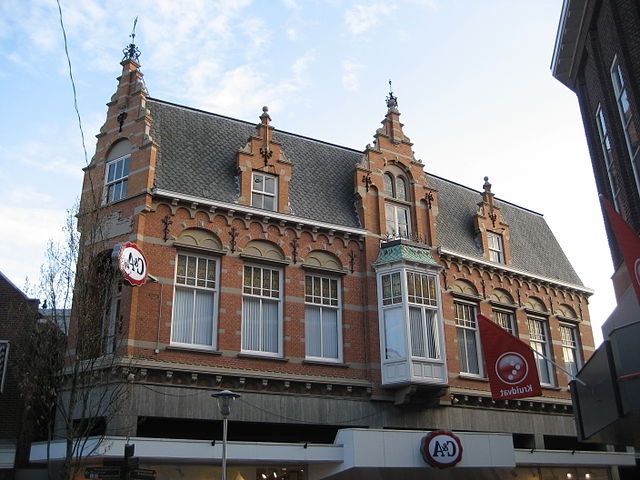
Ces équipes soutiennent les activités dans tout le Benelux. Ce centre joue un rôle clé dans la coordination entre les magasins physiques et la plateforme en ligne de la marque.
Avec cette base solide, C&A maintient une présence stable et organisée en Belgique. Elle soutient aussi la modernisation continue de son réseau européen.
Une gouvernance familiale discrète et puissante
The family Brenninkmeijer dirige C&A depuis plus de 180 ans. Ils n’ont jamais cédé le contrôle à des actionnaires extérieurs.
Cette continuité s’explique par une organisation interne très structurée. Ils répartissent strictement les parts et gèrent la succession avec prudence.
Le fonctionnement interne de la famille
Le groupe C&A appartient entièrement à la famille Brenninkmeijer, qui compte plusieurs branches. Chaque branche prend part à la gestion grâce à un système de représentation interne.
Les membres décident collectivement des points clés, souvent au sein de structures privées en Switzerland or in Belgium.
Les Brenninkmeijer cultivent une culture de discrétion and valeurs catholiques bien ancrées. Avant de prendre la direction, les membres actifs suivent une formation interne et doivent avoir une expérience professionnelle solide.
La famille préfère la stabilité à la surexposition médiatique. Ils apparaissent rarement dans la presse, et gèrent leurs actions philanthropiques via des fondations familiales comme COFRA Holding and Porticus.
Ces fondations soutiennent des projets éducatifs et sociaux.
La gestion des parts et du pouvoir
C&A n’a jamais introduit ses parts en bourse. Un réseau de holdings familiales détient toutes les actions et garde le contrôle sur les décisions stratégiques.
Chaque membre possède une participation indirecte. Seules les personnes impliquées dans la gestion disposent d’un droit de vote.
Visit supervisory board occupe une place centrale. Il regroupe surtout des Brenninkmeijer, mais invite aussi quelques experts externes pour garantir conformité et transparence.
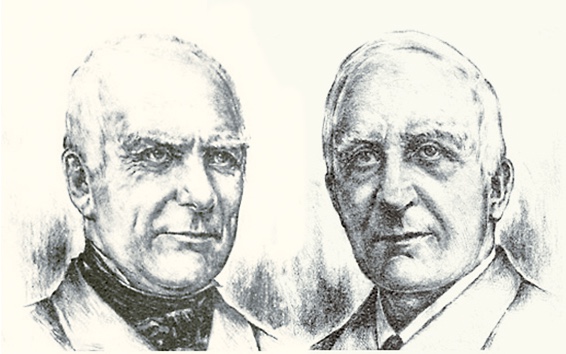
Les décisions majeures, comme les investissements ou les changements de direction, exigent un consensus familial.
| Structure | Rôle principal | Location |
|---|---|---|
| COFRA Holding | Gestion du patrimoine familial | Zoug, Suisse |
| C&A Europe | Opérations de vente au détail | Belgium |
| Porticus | Philanthropic activities | Amsterdam |
Ce schéma aide la famille à protéger l’entreprise des pressions du marché. Ils gardent ainsi une gouvernance stable.
La succession et le renouvellement des dirigeants
La succession chez les Brenninkmeijer suit un processus formel. Les nouveaux dirigeants viennent des descendants directs, mais seulement après une évaluation exigeante.
Ils doivent suivre un programme de formation interne et occuper des postes dans différentes filiales avant d’accéder à la direction.
Ce système limite les conflits et renforce la loyauté envers le groupe.
Parfois, la famille fait appel à des dirigeants externes pour certaines fonctions. Par exemple, ils ont nommé Giny Boer à la tête de C&A Europe en 2021.
Même avec cette ouverture, la supervision reste familiale. Cette méthode mêle tradition et adaptation à la réalité du commerce mondial.
L’expansion internationale de C&A
C&A a commencé comme un commerce familial néerlandais. Aujourd’hui, l’enseigne s’est imposée dans le prêt-à-porter mondial.
Son modèle repose sur des prix accessibles et une logistique efficace. Cela lui a permis de s’installer durablement en Europe avant de viser d’autres continents, surtout l’Amérique latine.
L’Europe comme terrain de conquête
L’Europe a été le moteur de la croissance de C&A. Après ses débuts aux Netherlands, l’entreprise s’est rapidement installée en Germany, qui reste son plus grand marché.

Ensuite, elle a ouvert des magasins en France, Belgium, Autriche, Spain, Portugal, Switzerland, Luxembourg and République tchèque.
Cette expansion s’est appuyée sur la proximité et la standardisation des collections.
C&A adapte ses assortiments aux goûts locaux tout en gardant une identité de marque forte.
| Country | Année d’entrée approximative | Special features |
|---|---|---|
| Germany | 1911 | Premier grand marché hors Pays-Bas |
| France | 1972 | Positionnement familial et urbain |
| Spain | 1983 | Croissance rapide dans les centres commerciaux |
L’entreprise a consolidé sa présence grâce à des investissements dans la logistique et la distribution régionale. Elle gère ainsi mieux les stocks et les prix.
Les marchés émergents : Brésil, Mexique et au-delà
Dans les années 1970, C&A a décidé de diversifier ses revenus hors d’Europe.
Elle s’est implantée au Brazilthen to Mexico and in Argentina, créant des filiales indépendantes de C&A Europe.
Ces marchés offraient une population jeune et une demande en vêtements abordables.
C&A a misé sur des collections locales et des partnerships avec des fournisseurs régionaux.
Visit Brazil, l’entreprise a lancé des services financiers comme Banco Ibi. Ce service facilite l’accès au crédit pour les clients.
Cette initiative a renforcé la fidélité de la clientèle et stabilisé les revenus dans un contexte économique changeant.
Présence et retrait du Royaume-Uni
C&A a ouvert ses premiers magasins au United Kingdom en 1922. Elle voulait rivaliser avec des enseignes locales telles que Marks & Spencer, Next and New Look.
Malgré une longue présence, la marque a rencontré des difficultés face à la concurrence et aux coûts élevés.
En 2000, C&A a décidé de quitter le marché britannique. Elle a fermé plus de 100 magasins pour se concentrer à nouveau sur l’Europe continentale.
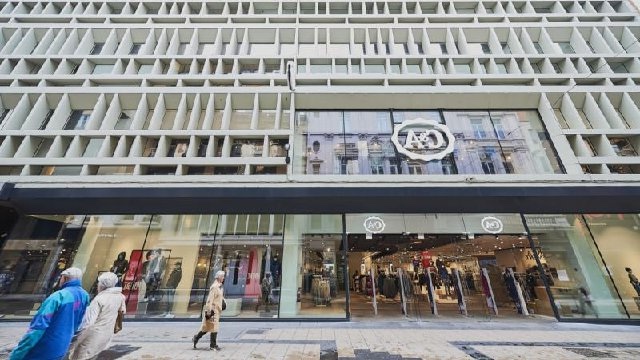
Ce retrait montre que C&A sait ajuster sa stratégie selon les conditions locales, au lieu de s’entêter sur des marchés non rentables.
La diversification : Immobilier, private equity et autres investissements
La famille Brenninkmeijer gère un vaste réseau d’actifs dans plusieurs secteurs économiques. Leur stratégie combine investissements immobiliers, participations en capital-investissement et activités industrielles, tout cela sous le même groupe.
Le rôle central de Cofra Holding
Cofra Holding, basée à Zoug (Suisse), forme le cœur financier du patrimoine Brenninkmeijer. Cette société de portefeuille regroupe des branches comme C&A, Bregal Investments and Redevco.
Cofra coordonne et gère les actifs familiaux. Elle supervise les investissements, définit les orientations stratégiques et veille à l’harmonie entre les entités.
Cette structure sépare les activités commerciales du capital de long terme. Elle favorise la stabilité et facilite la transmission du patrimoine entre générations.
| Principales entités de Cofra | Domaine d’activité |
|---|---|
| C&A Europe | Commerce de détail |
| Redevco | Commercial real estate |
| Bregal Investments | Private equity |
| Anthos Fund & Asset Management | Gestion d’actifs |
Investissements dans l’immobilier
L’immobilier tient une place majeure dans la stratégie du groupe. Redevco, filiale de Cofra, détient et gère un large portefeuille de biens commerciaux en Europe.
Ces actifs incluent des magasins, des bureaux et des centres urbains à Bruxelles, Amsterdam, Paris, et d’autres villes clés.
L’entreprise diversifie ses investissements sur plusieurs marchés et secteurs. Cette démarche réduit les risques et assure un flux de revenus stable.

Redevco insiste aussi sur la durabilité. Ils rénovent des bâtiments pour améliorer leur efficacité énergétique et leur valeur à long terme.
Cette politique s’inscrit dans une vision patrimoniale prudente, mais franchement tournée vers l’avenir.
Diversification en private equity
With Bregal Investments, la famille Brenninkmeijer investit dans le private equity. Cette branche cible des entreprises non cotées en Europe et en Amérique du Nord.
Les fonds soutiennent des sociétés de taille moyenne dans des secteurs variés : industrie, santé, services.
Bregal privilégie la croissance durable, préférant le long terme à la spéculation rapide.
Ces investissements offrent à la famille des rendements supérieurs à ceux des marchés publics, tout en diversifiant les revenus.
Cette stratégie complète l’immobilier et le commerce, et renforce la solidité financière du groupe.
La culture du secret et ses raisons
La famille Brenninkmeijer, qui possède le groupe C&A, s’est construite sur une culture de discrétion rare dans le commerce. Cette attitude imprègne la gestion, l’image publique et la philanthropie familiale.
Ce choix vise à protéger la cohésion familiale et la stabilité de leur empire.
La discrétion comme stratégie familiale
Depuis le XIXᵉ siècle, les Brenninkmeijer misent sur la privacy pour gérer leurs entreprises. Leur holding, Cofra, s’est installée à Zoug, en Suisse, un endroit connu pour ses avantages fiscaux et sa discrétion financière.
Les membres de la famille évitent les médias et ne publient pas de rapports détaillés sur leurs revenus ou leurs structures internes.
Cette attitude protège l’unité et la sécurité d’un réseau familial qui compte de nombreux héritiers actifs dans différents domaines.
La gouvernance repose sur un modèle interne strict. Les postes de direction reviennent souvent à des membres de la famille, choisis pour leur expérience et leur loyauté.
Ce système limite les risques de conflits et protège l’entreprise des pressions extérieures.
L’impact sur la perception publique
This réserve extrême a créé une réputation de mystère autour du groupe. Le public voit souvent C&A comme une marque accessible, mais ignore presque tout de la famille qui la dirige.
Certains observateurs disent que cette opacité suscite la curiosité, voire la méfiance. Pourtant, les Brenninkmeijer ne cherchent pas à cacher des pratiques douteuses.
Ils veulent surtout maintenir une distance professionnelle entre leur fortune et leur vie privée.
Leur choix tranche avec la transparence de certains grands détaillants européens. Pourtant, cette stratégie leur permet de garder le contrôle total de leurs décisions et d’échapper aux pressions des marchés financiers.
Les liens avec l’Église et la philanthropie
Les Brenninkmeijer forment une famille profondément catholique. Ils associent leur discrétion à une vision morale de la richesse.
Leur engagement philanthropique se manifeste à travers de nombreuses fondations, souvent installées en Suisse ou aux Pays-Bas. Ces fondations soutiennent des projets sociaux, éducatifs et environnementaux, mais sans chercher la lumière.
Ils préfèrent l’action concrète à la communication. Pour eux, la charité doit rester silencieuse et sincère.
Leur influence touche des institutions religieuses et des programmes de développement durable. Ils perpétuent ainsi une tradition familiale où la réussite économique s’accompagne d’un engagement éthique, discret mais constant.
Défis contemporains et avenir du groupe
C&A traverse une période de transformation rapide dans le secteur de la mode. L’entreprise doit jongler avec la montée du commerce en ligne, la pression des concurrents à bas prix et le défi de la relève familiale, tout en gardant son influence en Belgium and in Europe.
La concurrence et l’adaptation au digital
Le commerce de détail en Europe a changé du tout au tout avec le numérique. Des enseignes comme Zara, H&M and Primark imposent des rythmes de production effrénés et des prix cassés.
C&A, longtemps pionnière du prêt-à-porter abordable, doit défendre sa place sur un marché saturé. L’entreprise a investi dans la vente en ligne et modernisé ses magasins.
En Belgique, plusieurs points de vente ont été repensés. L’idée, c’est de créer une expérience plus fluide entre le digital et le physique.
Actions clés :
- Déployer une plateforme e-commerce unifiée en Europe.
- Réduire le nombre de magasins pour se concentrer sur les zones rentables.
- Améliorer la traçabilité et la durabilité des produits.
L’équipe cherche à répondre aux attentes des consommateurs, qui veulent des achats simples, rapides et responsables.
Le renouvellement générationnel
Visit famille Brenninkmeijer possède le groupe depuis 1841 et reste au centre de la gouvernance. Comme souvent dans les entreprises familiales, la transmission entre générations pose un vrai défi stratégique.
Les nouvelles générations adoptent une approche plus ouverte, axée sur la durabilité et la transparence. Elles cherchent à concilier les valeurs catholiques et la responsabilité sociale du groupe avec les exigences du commerce moderne.
Le modèle de gestion, longtemps discret et centralisé, commence à évoluer. Certains postes clés reviennent désormais à des dirigeants extérieurs à la famille, ce qui change la culture d’entreprise.
Cette transition vise à préserver la stabilité tout en encourageant l’innovation et la réactivité face aux défis du marché mondial.
Perspectives pour la Belgique et l’international
Visit Belgium reste un marché stratégique, autant pour son histoire que pour son rôle de centre opérationnel européen. C&A y teste souvent de nouveaux concepts avant de les lancer ailleurs.
L’entreprise veut renforcer sa présence dans les grandes villes européennes et au Brazil, où elle tient une position solide. Son avenir dépendra de sa capacité à jongler entre tradition et modernité.
Objectifs futurs :
- Maintenir une croissance durable en Europe.
- Développer des partenariats logistiques plus efficaces.
- Accroître la part de vêtements produits de manière éthique.
Une Fortune Discrète Mais Colossale
Visit fortune de la famille Brenninkmeijer illustre un modèle rare : celui d’un empire familial qui a réussi à rester non coté, ultra-discret, mais massivement riche. Avec un patrimoine estimé à 26,5 milliards d’euros, soutenu par C&A, Cofra Holding, l'immobilier de Redevco et les fonds de Bregal Investments, les Brenninkmeijer comptent parmi les familles les plus puissantes d’Europe.
Loin de la communication tapageuse des grands groupes cotés, ils ont bâti et protégé leur heritage grâce à une gouvernance serrée, une diversification intelligente (retail, immobilier, finance) et une vision très long terme. Résultat : en Belgique comme aux Pays-Bas, le nom Brenninkmeijer reste discret en façade… mais derrière C&A et Cofra, on parle bien d’une fortune familiale gigantesque, structurée pour durer encore plusieurs générations.
Foire aux questions
La famille Brenninkmeijer, fondatrice de C&A, a bâti un empire textile européen fondé sur la sobriété, la foi catholique et la gestion familiale. Leur entreprise, connue pour ses vêtements abordables et ses valeurs éthiques, combine tradition, innovation et une grande discrétion dans ses affaires.
Quelle est l’histoire de la famille Brenninkmeijer derrière la chaîne C&A ?
Clemens et August Brenninkmeijer ont fondé C&A en 1841 à Sneek, aux Pays-Bas. Ils ont commencé par vendre du lin et du coton avant d’ouvrir des entrepôts de vêtements.
Leur modèle reposait sur des prix accessibles et une production efficace. Cette approche a permis à la marque de se développer rapidement à travers l’Europe.
Comment la famille Brenninkmeijer a-t-elle influencé le secteur du retail en Belgique et à l’international ?
La famille a introduit en Europe le concept de prêt-à-porter abordable. En Belgique, C&A a contribué à démocratiser la mode et à renforcer la présence de grandes enseignes internationales.
À l’étranger, leur modèle d’family business a inspiré d’autres groupes de distribution à long terme.
Quelles sont les stratégies commerciales qui ont fait le succès de C&A ?
C&A a misé sur des marges faibles mais des volumes élevés. L’entreprise a investi tôt dans des chaînes d’approvisionnement efficaces et dans des emplacements stratégiques en centre-ville.
Elle a aussi su adapter son offre aux besoins locaux tout en gardant une identité de marque cohérente.
De quelle manière la discrétion est-elle une caractéristique de la gestion de C&A par la famille Brenninkmeijer ?
Les Brenninkmeijer préfèrent la réserve et la gestion privée. Leur holding, Cofra, installée en Suisse, centralise les activités du groupe tout en limitant la communication publique.
Cette approche leur permet de préserver la stabilité et la continuité familiale sur plusieurs générations.
Quels sont les engagements en matière de développement durable pris par C&A ?
C&A s’engage à utiliser davantage de coton biologique et à réduire son empreinte carbone. L’entreprise publie régulièrement des rapports de durabilité.
Elle collabore avec des organisations indépendantes pour améliorer la transparence de sa chaîne d’approvisionnement. Le recyclage textile et la circularité des produits deviennent aussi des priorités.
Comment C&A et la famille Brenninkmeijer gèrent-ils leur image de marque et leur réputation ?
La famille préfère communiquer avec retenue, en s’appuyant sur des valeurs solides.
Chez C&A, on met surtout en avant la qualité et la responsabilité sociale. La confiance des consommateurs reste essentielle.
Ils cultivent leur réputation à travers la stabilité et une gestion financière prudente. Leur engagement philanthropique, plutôt discret, en dit long.