List of the Most Influential French Business Angels of 2026
Amounts mentioned are estimates based on public sources and can vary depending on methodology (income, assets, debt) and update date.
Multiple sectors and investors with diverse backgrounds
The French startup ecosystem brings together investors from all walks of life. Each brings their own skills, networks, and experiences.
The sectors targeted by “artisan” Business Angels vary enormously: digital, health, industry, fashion, luxury… the list keeps growing.
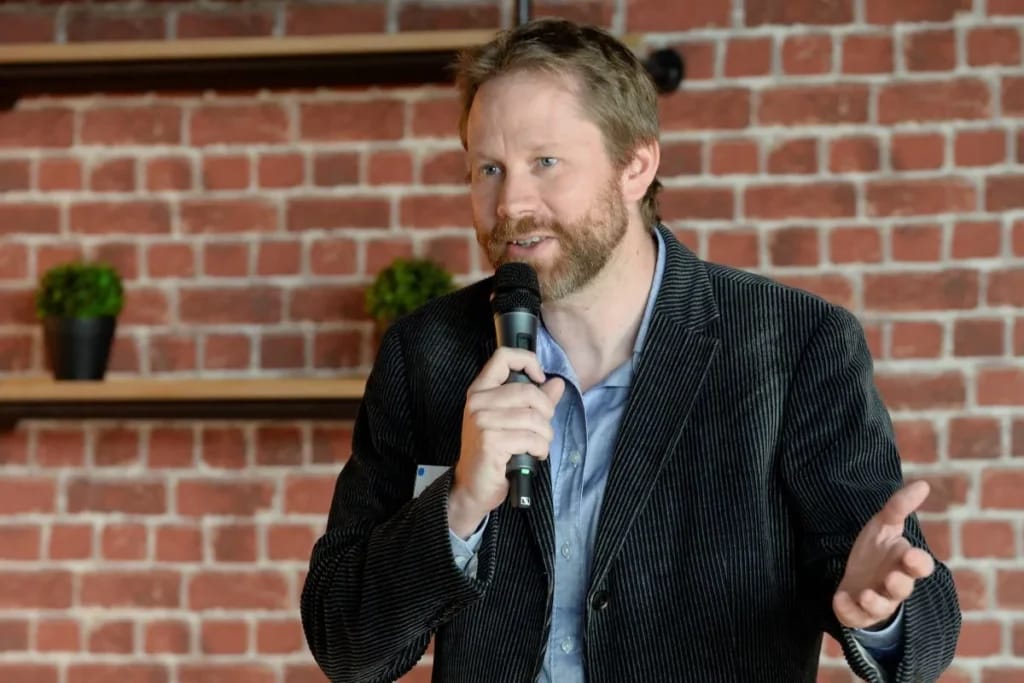 Business Angel – Éric Larchevêque Fortune
Among the most prominent sectors, we find:
| Sector | Examples of recent investments | Main interest |
|---|---|---|
| Deeptech | AI software, robotics | High innovation potential |
| Cybersecurity | Protection solutions, data privacy | Needed by all companies |
| Web3 | Blockchain platforms, NFT | New digital uses |
| Health | Insurtech, biotechnologies | Medical innovations, social impact |
| Fashion & Luxury | Digital platforms, e-commerce | Digitalization and internationalization |
| Services | SaaS software, B2B markets | Solutions for innovative companies |
| Industrial | Smart production tools | Industry transformation |
| Impact/climate | Agritech, green energy | Response to societal challenges |
These investment choices show how open Business Angels remain to innovation and social impact.
The projects they support often seek to combine economic performance with societal utility.
The amounts invested at seed stage (pre-seed and seed) mainly support young, still fragile companies brimming with ideas.
Average tickets, generally between €20,000 and €100,000, reflect a direct and considered commitment.
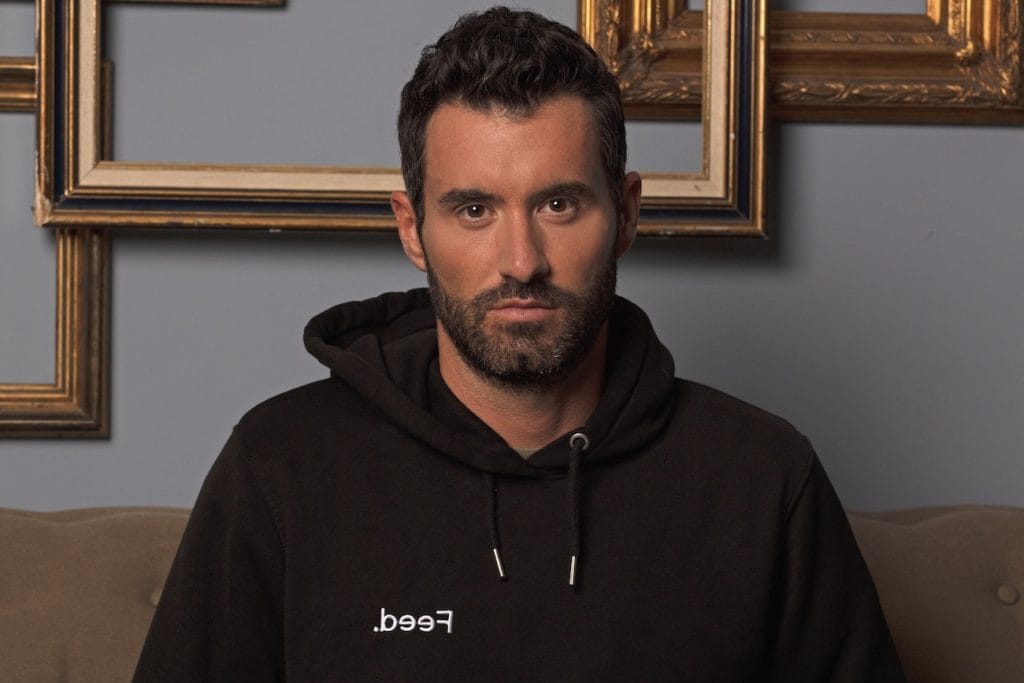 Anthony Bourbon Business Angel Fortune
In practice, these investors go beyond the financial aspect.
They also share their networks, offer strategic advice, and sometimes help with recruitment.
Furthermore, they are increasingly involved in negotiating shareholder agreements.
They seek to protect their stake through pre-emption rights or anti-dilution clauses.
This trend is especially notable in sectors such as health, insurtech and digital.
The diversity of profiles and invested sectors feeds the richness of the ecosystem and encourages the emergence of new companies across France.
The 30 Wealthiest French Business Angels of 2026
This ranking brings together individual investors who actively support young companies, especially in innovative and high-impact sectors, both in France and internationally.
These players play a key role in the growth of the entrepreneurial ecosystem, from pre-seed through to Series B.
The seed capital market in France has become more professional: syndications, club deals, structured due diligence, anti-dilution clauses… and above all a new generation of investor-operators. In this overview, we rank French Business Angels not only by estimated fortune (financial assets and company stakes), but also by investment intensity (number of transactions, average tickets, sectors).
Our goal: to offer a clear and useful guide to understand where their fortune comes from, how they grow it, and what they invest in (with concrete examples).
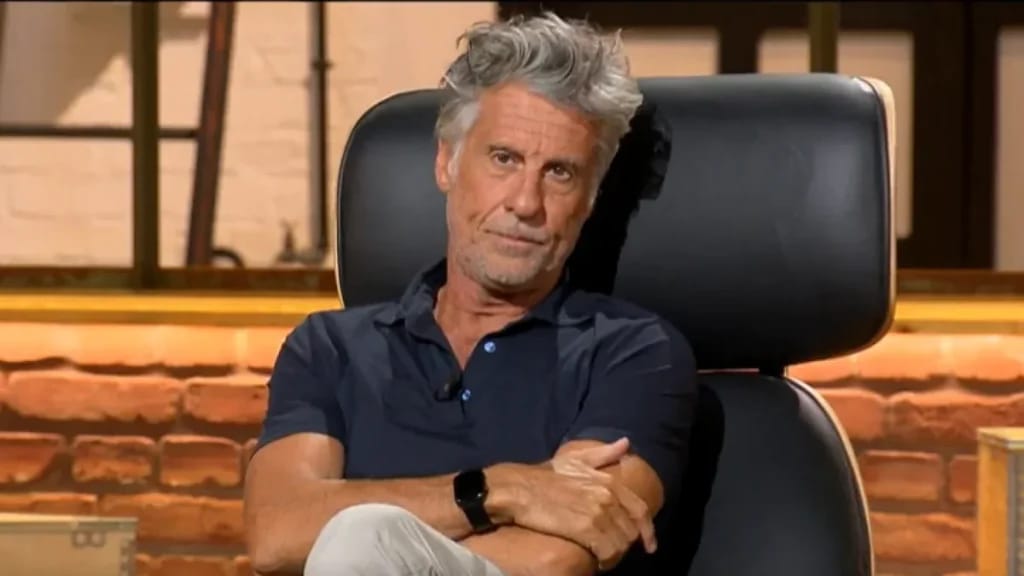 Marc Simoncini in “Who Wants to Be My Partner?”
Top 10 — Wealthiest French Business Angels
1. Thibaud Elziere — Estimated 2026 Fortune: €120–250M
Estimated 2026 fortune: €120–250M
Typical tickets: €50k–€250k (angel & via studios)
Sectors: B2B SaaS, Future of Work, fintech, product infra
Business & investments
Co-founder of the Hexa startup studio (formerly eFounders) with Quentin Nickmans. The studio has contributed to the launch of 30+ startups including Aircall, Front and Spendesk (unicorns), Swan, Yousign, Mailjet (exit). Model: ideation → co-founders → spin-off, with significant initial studio equity stake.
How his fortune is built/evolves
- Historical stakes in several companies from the studio (valuations > €1Bn for Aircall, Front, Spendesk).
- Regular exit flows (e.g. Mailjet) and fundraising round revaluations.
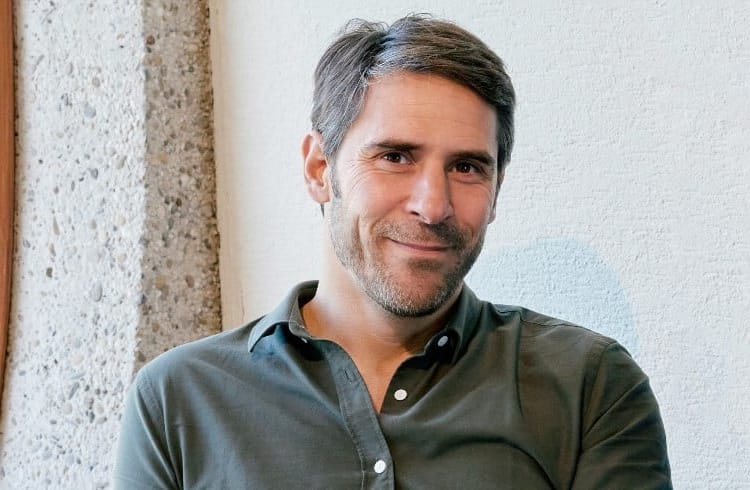 Thibaud Elziere Fortune
Life & commitments
Operator-investor profile: involvement in product, go-to-market, founder recruitment; transparent communication via blogs/letters.
Investment examples: Aircall, Front, Spendesk, Yousign, Swan, Mailjet.
Today, Thibaud Elziere is among the wealthiest French entrepreneurs from the startup world. His net worth rests on a diversified entrepreneurial portfolio: stakes in SaaS unicorns, studio shares and high-yield financial assets.
2. Quentin Nickmans (Hexa)
Estimated 2026 fortune: €90–180M
Typical tickets: €50k–€250k (personal & syndication)
Sectors: SaaS, fintech, developer tools
Business & investments
Co-founder and Senior Partner of Hexa (formerly eFounders). More than 30 companies launched, announced aggregate valuation > €5Bn (unicorns Aircall, Front, Spendesk). Active in syndication (investment clubs).
How the fortune grows
- Studio equity on each creation;
- High internal IRR/MOIC on a portfolio that has become “compounding”
Life & commitments
Facilitator of investment clubs (e.g. via Roundtable), team mentoring, focus on “founder-market fit”.
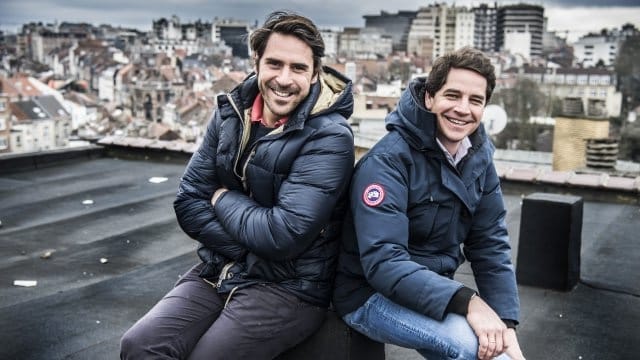 Quentin Nickmans Fortune
Investment examples: Yousign, Spendesk, Aircall, Slite, Forest Admin.
Quentin Nickmans’s fortune is directly linked to the exponential growth of the Hexa ecosystem. His personal capital, built on the creation and sale of startups, reflects a digital wealth rooted in French innovation.
3. Alexandre Berriche — Estimated 2026 Fortune: €30–70M
Estimated 2026 fortune: €30–70M
Typical tickets: €25k–€150k
Sectors: B2B/SaaS, fintech, marketplaces, AI
Business & investments
Founder of Fleet (equipment rental-management for SMEs/scale-ups). 80+ personal investments as a Business Angel (early-stage, France/US).
How the fortune is built
- Fleet’s value (growth > €10M in revenue mentioned in media/podcasts);
- Broadly diversified angel portfolio.
Life & commitments
International background (Rocket Internet), “operator first” philosophy, AI/automation theses.
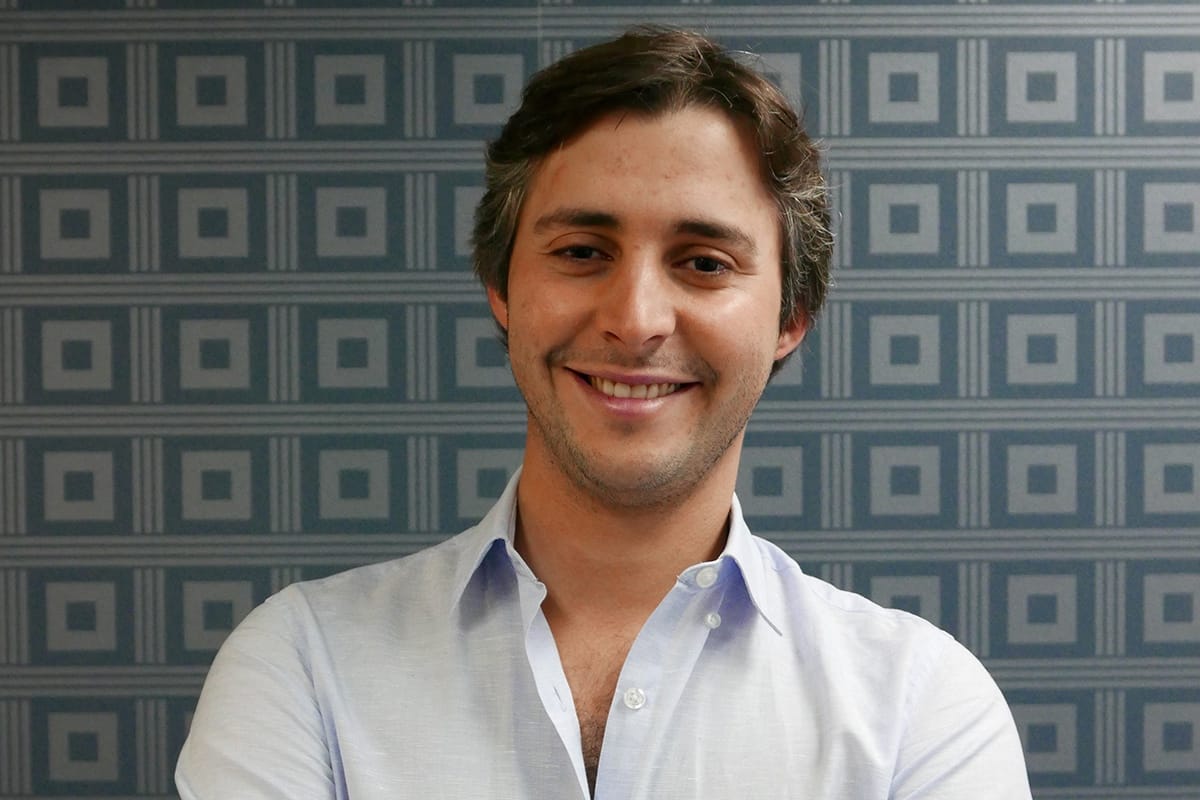 Alexandre Berriche Fortune
Investment examples: Finary, Circular, Formance (mentioned in his interviews).
Thanks to Fleet and his stakes, Alexandre Berriche has built a solid digital portfolio. His personal wealth, rooted in tech and fintech, illustrates the rise of a new generation of French millionaires in B2B.
4) Andréa Bensaid (Eskimoz, 199 Ventures)
Estimated 2026 fortune: €25–60M
Typical tickets: €50k–€250k
Sectors: marketing tech, data/AI, SaaS, fintech, consumer
Business & investments
Founder-CEO of the Eskimoz group (European growth/SEO agencies). Operates as a BA through 199 Ventures and claims strong early-stage investment activity (FR/EU).
How the fortune is built
- Cash flows from a premium services group + M&A build-up;
- Early portfolio (qualified deal-flow via marketing/AI ecosystem).
 Andréa Bensaid Fortune
Life & commitments
Regular content (podcasts/interviews), patronage, visibility based on operational execution.
Investment examples: AB Tasty, Bitstack, Sidely (cited publicly in his presentations).
Andréa Bensaid is among the rising figures of French entrepreneurial wealth. His net worth is underpinned by Eskimoz revenues, tech investments and an expanding portfolio in data and artificial intelligence.
5. Karim Jouini — Estimated 2026 Fortune: €20–50M
Estimated 2026 fortune: €20–50M
Typical tickets: €25k–€100k (post-exit)
Sectors: finops, finance SaaS, AI, productivity
Business & investments
Founder-CEO of Expensya (spend management), acquired by Medius in 2023 (undisclosed amount; press sources cite ~$120M without official confirmation). Has since left Medius/Expensya and is launching a new AI venture.
How the fortune is built
- Partial liquidity at exit;
- Reinvestment as BA (B2B SaaS) + creation of a new AI company (potential upside).
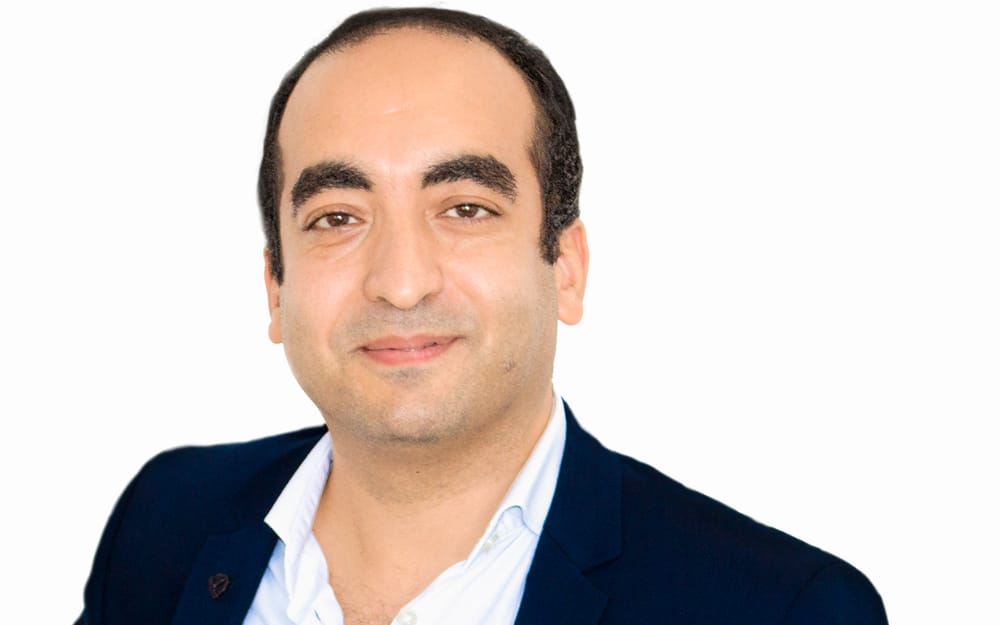 Karim Jouini Fortune
Life & commitments
Tunisia-France-EU background, tech/product profile, sharing M&A and scaling experience.
Investment examples: B2B productivity/fintech orientation (post-exit, non-exhaustive).
After the sale of Expensya, Karim Jouini strengthened his financial capital and consolidated a personal fortune drawn from both his company and his fintech investments. His digital net worth continues to grow thanks to AI.
6. Florian Seroussi — Estimated 2026 Fortune: €20–45M
Estimated 2026 fortune: €20–45M
Typical tickets: €50k–€250k
Sectors: cybersecurity, SaaS, biotech/health, deeptech
Business & investments
Transatlantic Business Angel (NYC) with stakes/secondaries in Databricks, and listed as an investor in Stripe, SpaceX, Neuralink (according to public project pages). US/Europe dealflow, seed to late-stage/secondary deals.
How the fortune is built
- Secondaries on late-stage (valuation arbitrage);
- SaaS/Cyber seed → Series B/C (high multiples if PMF).
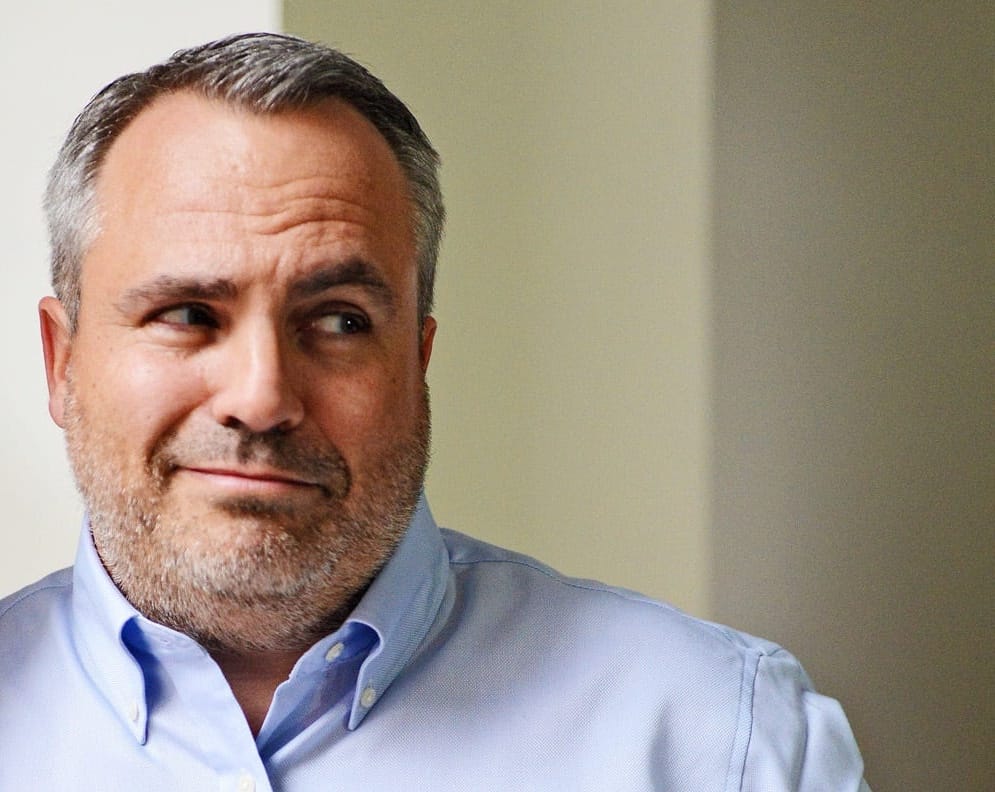 Florian Seroussi Fortune
Life & commitments
Former operator (Evercontact, global roaming), advisor to Web3/security projects.
Investment examples: Databricks (secondary), Snoots Vet (seed), ScoutDNS.
After the sale of Expensya, Karim Jouini strengthened his financial capital and consolidated a personal fortune drawn from both his company and his fintech investments. His digital net worth continues to grow thanks to AI.
7) Alain Tingaud (Alain Tingaud Innovations)
Estimated 2026 fortune: €15–40M
Typical tickets: €50k–€250k
Sectors: deeptech, big data, telecom/software
Business & investments
Industrial/entrepreneur (telecom/software), BA via Alain Tingaud Innovations, stakes and mandates, historically involved as a venture partner and active investor.
How the fortune is built
- Past exits/disposals (industry/software);
- Deeptech & SaaS portfolio (valuations tied to B2B traction).
Life & commitments
Anchored in the Southwest, corporate governance and local engagement (sport, tech sector).
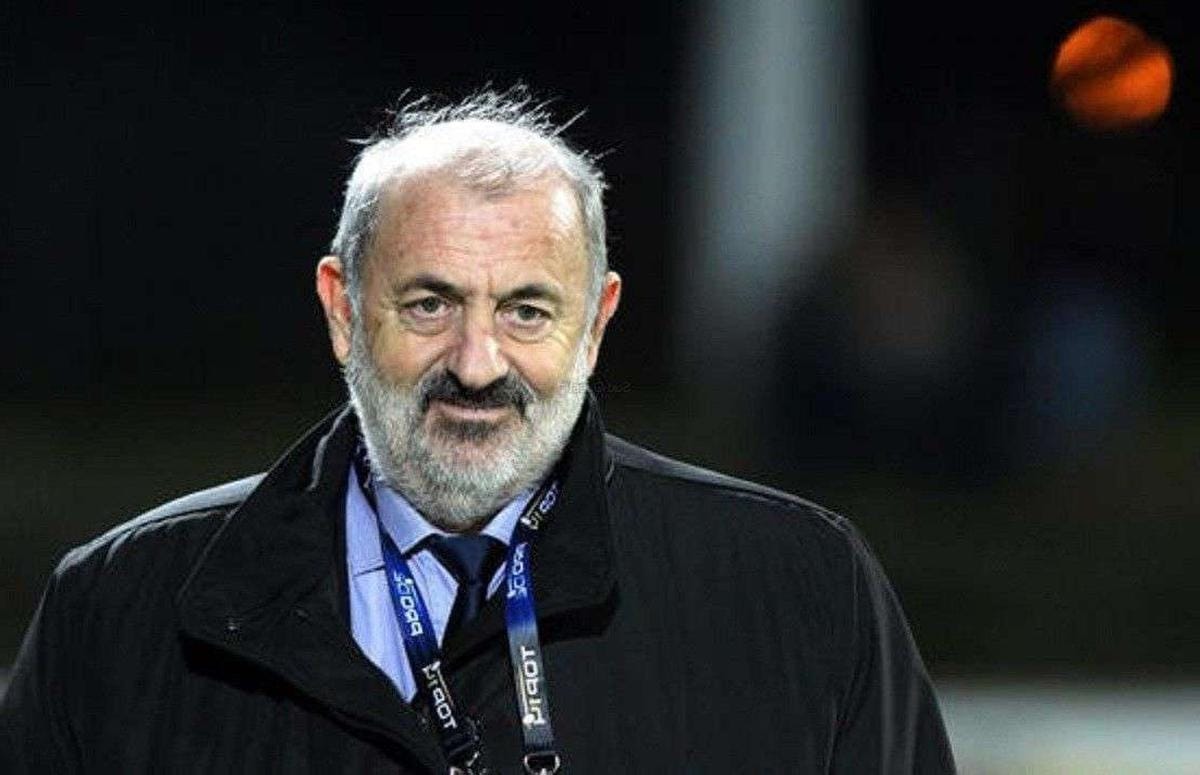 Alain Tingaud Fortune
Investment examples: selective deeptech/SaaS (aggregate portfolio profile).
A seasoned entrepreneur, Alain Tingaud has built a considerable industrial and technological capital. His net worth rests on successful exits in telecoms and deeptech investments with high added value.
8) Antoine Le Conte (Cheerz, Climate Club)
Estimated 2026 fortune: €12–30M
Typical tickets: €25k–€100k
Sectors: climate/impact, consumer apps, logistics, deeptech
Business & investments
Co-founder of Cheerz (mobile photo printing), acquired by CEWE in 2018. Now founder of Climate Club (community/climate project funding). Angel investments in Shipup, Hosman, Happydemics…
How the fortune is built
- Liquidity via the Cheerz exit;
- Reinvestments with a “climate/circular economy” thesis.
Life & commitments
Committed impact positioning (ecology, agritech, deeptech with positive externalities).
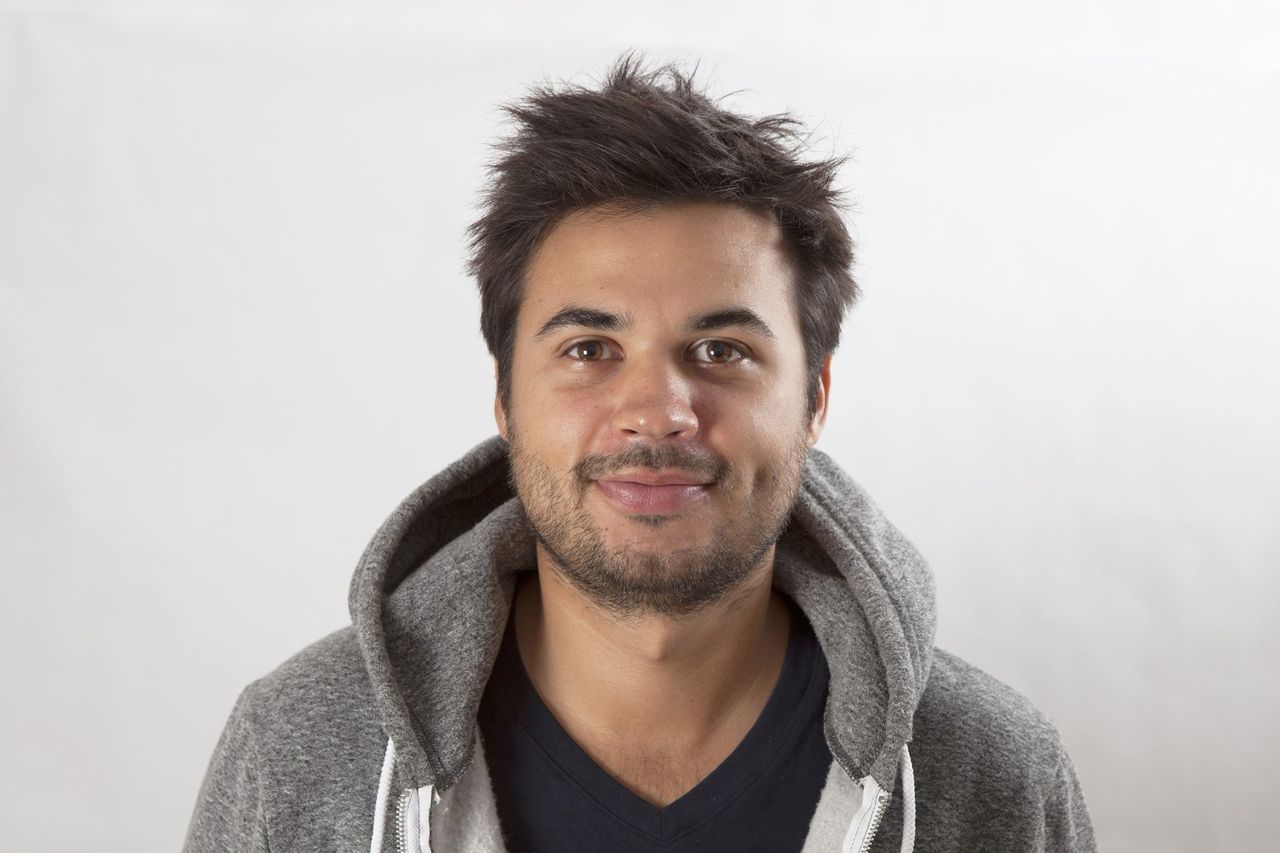 Antoine Le Conte Fortune
Investment examples: Shipup, Hosman, Happydemics.
A seasoned entrepreneur, Alain Tingaud has built a considerable industrial and technological capital. His net worth rests on successful exits in telecoms and deeptech investments with high added value.
9) Antony Cazala (A2C)
Estimated 2026 fortune: €10–25M
Typical tickets: €250k–€500k
Sectors: deeptech, foodtech, medtech
Business & investments
Engineer, founder of A2C (consulting), active Business Angel with high tickets in pre-seed/seed/Series A, with intent to accelerate his investment pace further.
How the fortune is built
- Consulting revenues + substantial exposures on early rounds;
- “Breakthrough technologies” thesis.
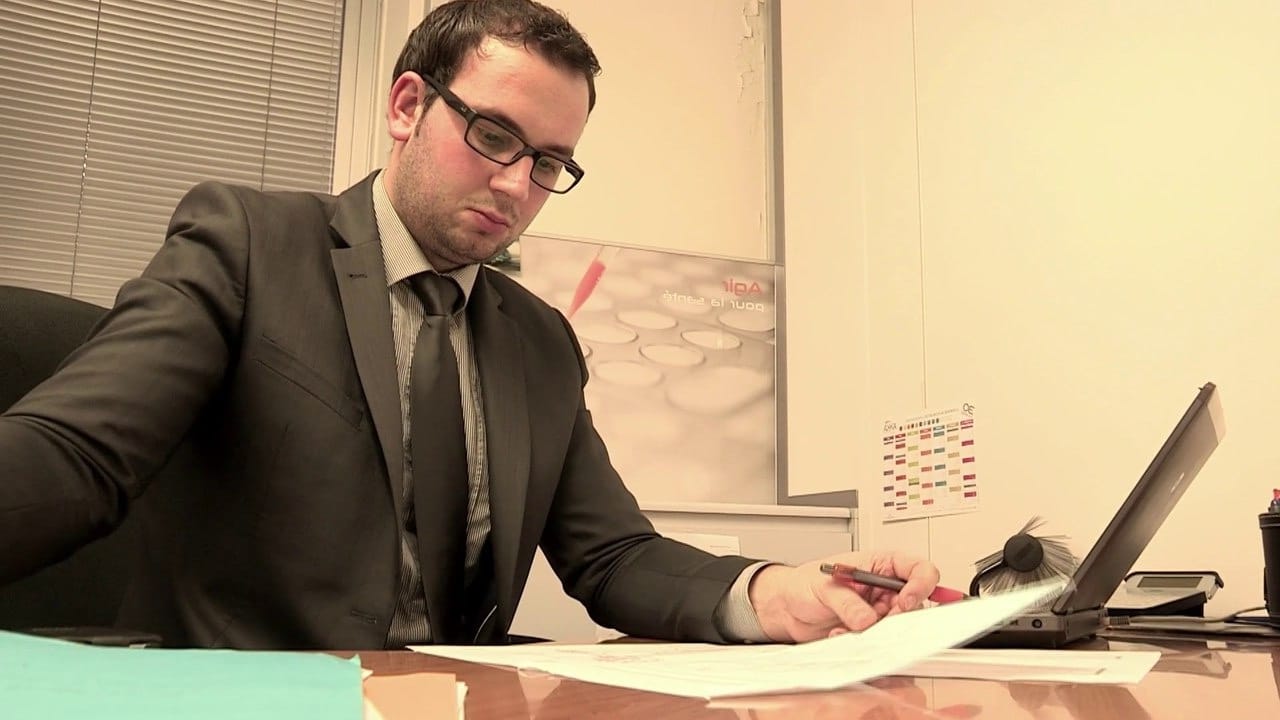 Antony Cazala Fortune
Life & commitments
Operational support (engineering/industrialization), industry-research networking
Investment examples: portfolio under construction (deeptech/medtech/foodtech).
His personal fortune was built between entrepreneurship and positive impact. Antoine Le Conte is among the French investors whose sustainable wealth reflects a balance between economic success and environmental commitment.
10) Gary Anssens (Alltricks)
Estimated 2026 fortune: €10–22M
Typical tickets: €20k–€100k
Sectors: e-commerce, sport/outdoor tech, B2B SaaS
Business & investments
Founder of Alltricks (sports e-commerce), acquired by Decathlon (2019, undisclosed amount). Still active as an investor; stakes reported in ModaResa, Cowboy, Yousign (presence cited/visible according to profiles and databases).
How the fortune is built
- Partial liquidity via the Alltricks transaction;
- Diversification as BA (retail tech, mobility, B2B).
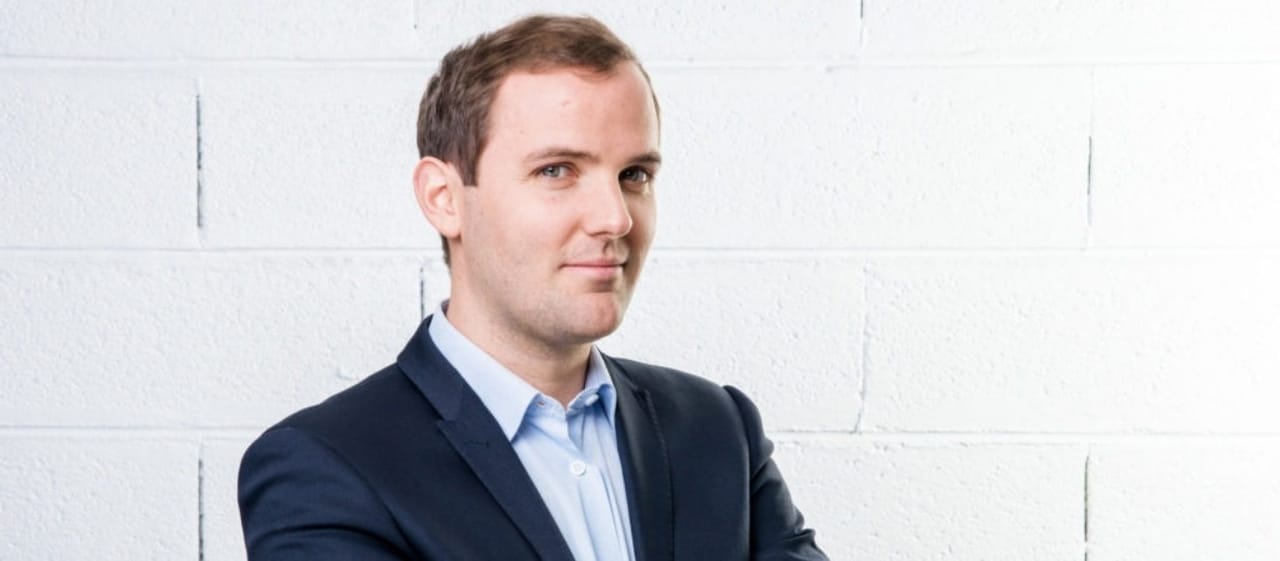 Gary Anssens Fortune
Life & commitments
Anchored in the French Tech ecosystem (Saclay), very present in sport, lifestyle and art.
Antony Cazala holds a technology portfolio in full expansion. His net worth is driven by stakes in deeptech and medtech, where each investment strengthens his overall capital and his influence in innovation.
11. Vanessa Daurian-Proust — 2026 Fortune: €8,900,000
Vanessa Daurian-Proust, former consultant at EY, launched the Neo Founders fund. She is primarily interested in companies with strong social or environmental impact, with investment tickets of €20,000 to €50,000.
Her experience allows her to support project holders and help them structure their fundraise. Frankly, her support makes a real difference for many young entrepreneurs.
12. Laurent Van Lerberghe — 2026 Fortune: €12,400,000
Laurent Van Lerberghe knows the medical sector well. He supports startups working in digital health, particularly in medical research and diagnostics.
He mainly invests during Seed or Series A stages, with tickets of up to €100,000. He helps these young companies accelerate health innovation.
13. Steeve Fichtenbaum — 2026 Fortune: €10,700,000
Steeve Fichtenbaum, co-founder of CMG, targets online commerce, medtech and Web3 for his investments. He typically invests between €50,000 and €100,000 per project.
He is actively involved in structuring e-commerce and innovative companies. He likes to work closely with founders to optimize their development.
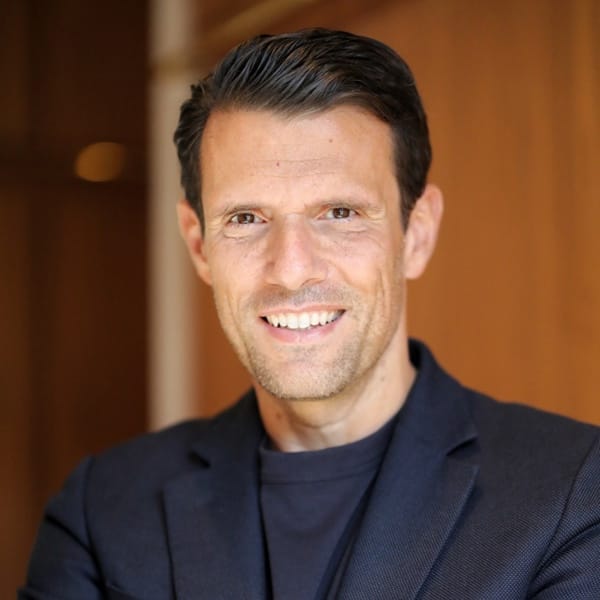 Steeve Fichtenbaum Fortune
14. Raphaël Faure — 2026 Fortune: €7,600,000
Raphaël Faure, also linked to CMG, prefers to invest in health, proptech and emerging sectors. With a complementary approach to that of Steeve Fichtenbaum, he primarily targets pre-seed and seed startups.
His consulting experience proves truly valuable at this early stage.
15. Didier Seillier — 2026 Fortune: €9,300,000
Didier Seillier has been involved in the French tech scene for several years. He pays particular attention to young companies with high growth potential.
He regularly supports founders, well beyond a simple investment.
16. Chantal Baudron — 2026 Fortune: €11,200,000
Chantal Baudron is primarily committed to high-impact startups, particularly in tech and social innovation. She provides financial support and ensures lasting follow-up for the entrepreneurs she accompanies.
17. Adrien Hubert — 2026 Fortune: €6,400,000
Adrien Hubert has developed a passion for emerging technologies. He invests in promising companies at the intersection of digital and sustainable growth.
His investments often allow innovative projects to scale up.
18. Daniel Zumino — 2026 Fortune: €13,800,000
Daniel Zumino has acquired solid experience as an investor in tech and industry. He gets involved from the seed stage and supports ambitious companies with an international vision.
19. Stéphane Noirie — 2026 Fortune: €8,900,000
Stéphane Noirie bets on technology startups, especially those innovating in software engineering and digital transformation. He combines funding with strategic support.
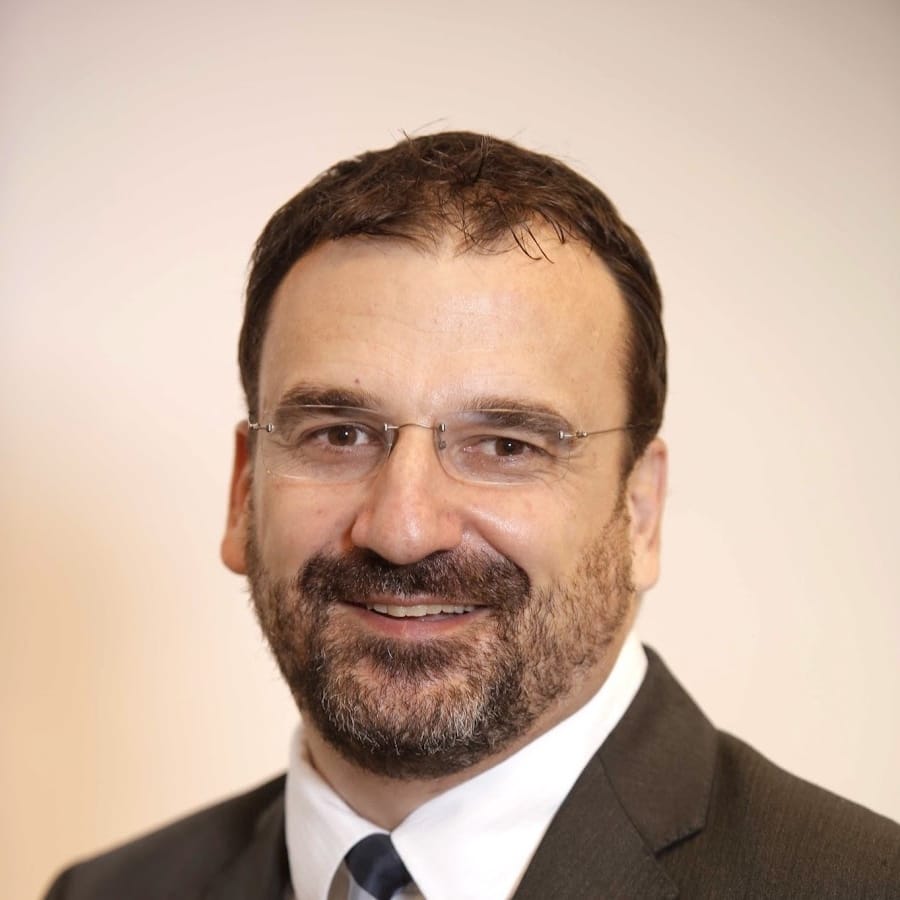 Stéphane Noirie Fortune
20. Patrick Renault — 2026 Fortune: €9,800,000
Patrick Renault is actively invested in the growth of French startups. He brings his expertise, particularly in tech.
He is recognized for his continued presence in the entrepreneurial ecosystem.
21. Patrick Amiel — 2026 Fortune: €15,500,000
Patrick Amiel has built a solid reputation in supporting young companies, especially in Internet and innovative B2B models. He offers operational support in addition to his financial investment.
22. Adrien Chaltiel — 2026 Fortune: €12,900,000
Adrien Chaltiel is very interested in innovations in fintech and digital services. He likes to stay close to the startups he invests in, to maximize their development.
23. Alexandre Fretti — 2026 Fortune: €14,600,000
Alexandre Fretti regularly bets on companies with high growth potential, especially in digital and platforms. He gets involved at all stages of startup development.
24. Brice Gilbert — 2026 Fortune: €7,200,000
Brice Gilbert invests in innovative technology startups. He prioritizes the operational side and often works closely with founders.
25. Stanislas de Villelongue — 2026 Fortune: €8,100,000
Stanislas de Villelongue specializes in supporting fast-growing companies. He mainly targets digital transition and the digitalization of services.
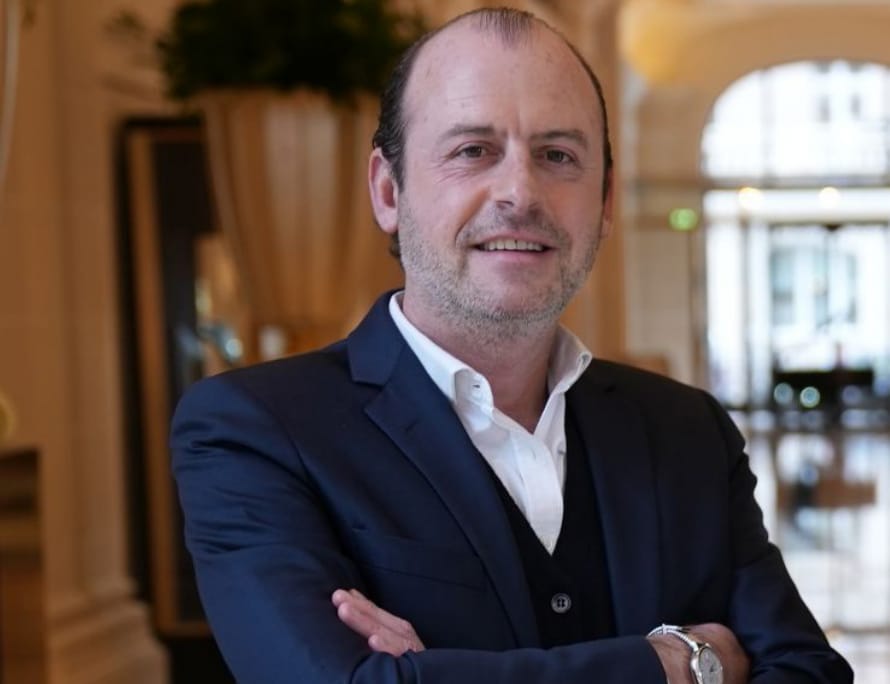 Stanislas de Villelongue Fortune
26. Jean-Louis Serradilla — 2026 Fortune: €13,200,000
Jean-Louis Serradilla draws on his dual business and tech expertise to help French startups. He gets involved from the earliest stages of funding.
27. Bertrand Delcourt — 2026 Fortune: €9,500,000
Bertrand Delcourt invests in young companies with high potential, mainly in tech and disruptive innovation. He seeks to sustain startup development over the long term.
28. Guillaume Rigallaud — 2026 Fortune: €7,800,000
Guillaume Rigallaud targets innovative markets, particularly digital and new services. He offers tailored support, adapted to each project.
29. Rémy Bendayan — 2026 Fortune: €6,900,000
Rémy Bendayan encourages innovation in French startups through targeted investments. He places great importance on financial structuring and mentoring founding teams.
30. Ingrid Fretay — 2026 Fortune: €6,200,000
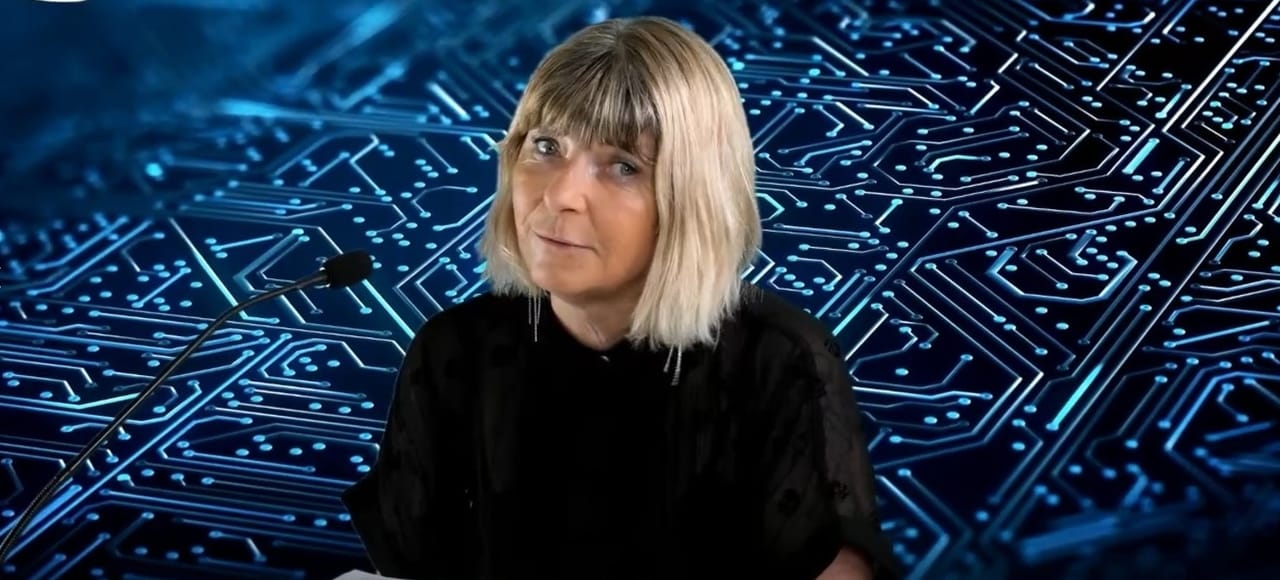 Ingrid Fretay Fortune
Ingrid Fretay brings her expertise in digital investment and startup growth. She favors those carrying innovative and inclusive projects within the French ecosystem.
Table — “Fortune & Investment Intensity” Ranking 2026
| Rank | Business Angel | Estimated Fortune | Average Ticket | No. of investments (order of magnitude) | Key Sectors |
|---|---|---|---|---|---|
| 1 | Thibaud Elzière | €120–250M | €50–250k | 40–80 (studio + BA) | B2B SaaS, fintech, Future of Work |
| 2 | Quentin Nickmans | €90–180M | €50–250k | 40–80 (studio + syndicates) | SaaS, dev tools, fintech |
| 3 | Alexandre Berriche | €30–70M | €25–150k | 80+ | B2B/SaaS, fintech, AI |
| 4 | Andréa Bensaid | €25–60M | €50–250k | 40–60 | MarTech, data/AI, SaaS |
| 5 | Karim Jouini | €20–50M | €25–100k | 15–30 | Finops, finance SaaS, AI |
| 6 | Florian Seroussi | €20–45M | €50–250k | 20–40 | Cyber, SaaS, deeptech |
| 7 | Alain Tingaud | €15–40M | €50–250k | 20–40 | Deeptech, big data, SaaS |
| 8 | Antoine Le Conte | €12–30M | €25–100k | 15–30 | Climate/impact, consumer, logistics |
| 9 | Antony Cazala | €10–25M | €250–500k | 10–20 | Deeptech, medtech, foodtech |
| 10 | Gary Anssens | €10–22M | €20–100k | 10–20 | E-commerce, sport/outdoor, B2B |
This ranking clearly illustrates the diversity and specialization of French business angels in 2025. They remain active in key markets such as tech, fintech, impact and digital.
Each one combines financial capital with operational support. They strengthen the innovation and competitiveness of French startups against foreign investors such as Kima Ventures or ISAI, or figures such as Xavier Niel (Free, Iliad).
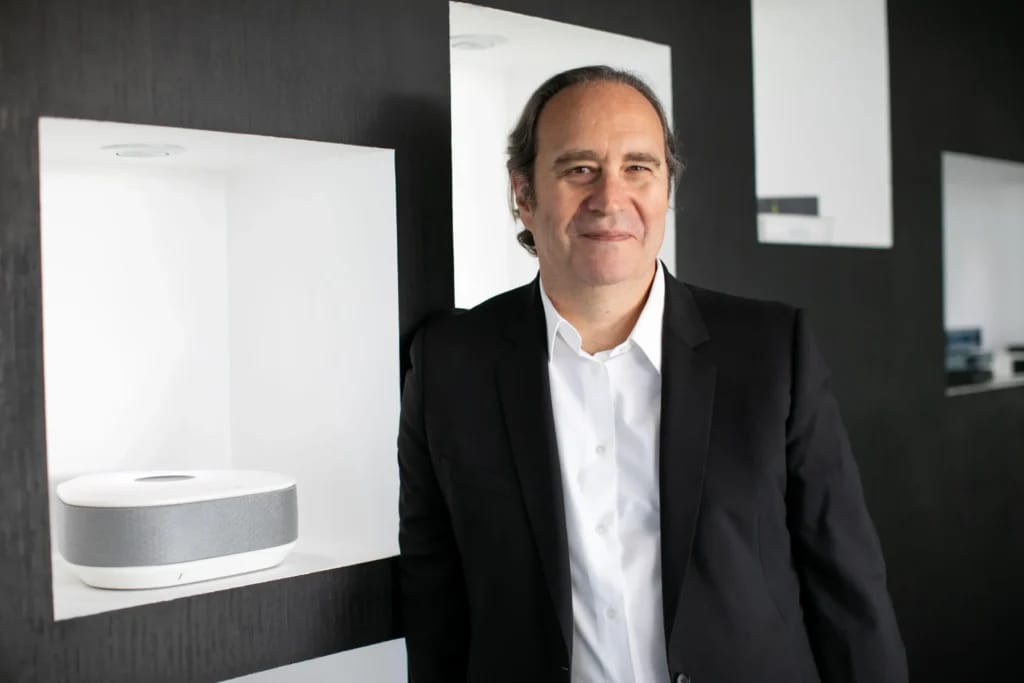 Xavier Niel
Navigating a constantly evolving landscape
The French entrepreneurial landscape moves fast, driven by the economy, technologies and society’s expectations.
Business Angels must constantly adapt to an environment where opportunities mix with real challenges.
Current challenges
- Frequent bankruptcies and recapitalizations: Many startups go through difficult times and require additional support, whether bridge funding or restructuring.
- Declining valuations: The market is revising downward the value of many innovative companies, which inevitably influences investment decisions.
- Increased competition: The arrival of new investors makes access to the best projects far more contested.
- Project selection: Analyzing files in detail and diversifying choices has become essential.
New opportunities
- Enhanced collaboration: Collaborative practices, such as club deals or integration into specialized networks, facilitate risk sharing.
- Expertise sharing: Investors share their know-how to guide startups, whether in software, innovative services or transforming industries.
- Rise of impact projects: The climate, health and agritech sectors are attracting more and more investors who want to combine profitability with positive impact.
 Wealthy Business Angels
One point worth noting: the growing proportion of women among investors.
However, discretion remains the norm, often to avoid media attention and preserve privacy.
Insurtech, the digitalization of services and smart industrial solutions are advancing rapidly.
Business Angels are involved at every stage of economic transformation, and their role is today indispensable for growing young companies.
Conclusion
The 2025 ranking reveals a France of Business Angels that is at once wealthy, tech-driven and increasingly structured. The highest fortunes are explained by equity in SaaS unicorns, well-executed exits and allocation discipline (reinvestments, secondaries, syndications).
For founders, understanding who brings what (network, product, go-to-market, governance) is just as valuable as the size of the check; for readers curious about wealth, the lesson is clear: in 2025, angel wealth is built on clear theses, smart diversification and the compounding effect of the best portfolios.
 angel wealth
Frequently Asked Questions
How is a Business Angel’s “fortune” estimated?
By summing: cash + listed assets + real estate + value of unlisted stakes (at the last round, discounted for illiquidity). Since exact figures are not public, we publish consistent ranges.
Why do some Business Angels appear better ranked than more high-profile founders?
Because their portfolio (angel + studio + SPV) can have a very high latent value (e.g. unicorns), even without a recent exit announcement.
What ticket sizes dominate in 2025?
In pre-seed/seed, we observe €20–250k on the Business Angel side, with co-investments in clubs to reach €500k+. Studios and micro-VCs operate in parallel.
Which sectors create the most “angel” wealth in France?
B2B SaaS (productivity, sales/finance ops), fintech (payments, spend, infra), cyber, applied AI, climate/energy (B2B solutions).
Are female Business Angels really making progress?
Yes, through dedicated networks (FBA) and increased visibility, even if estimates of the female share vary by source.
How are business angels evaluated for the 2025 ranking?
The quantity of investments, the number of startups funded, and the impact on the growth of supported companies are all taken into account. Reputation, network engagement, and project follow-through also carry weight.
What role does investment success play in this year’s ranking?
Success is measured by successful exits, the growth of supported companies, and the value brought by investors. If a business angel helps a startup grow and generate a good return on investment, they move up in the ranking.
Is there a ranking of business angels by sector for 2026?
There are often dedicated lists for certain sectors such as technology, health or energy. These sector-specific rankings are useful for those looking for experts in specific fields. They help identify the most active investors by industry.
What main trends marked business angel activity in 2025?
In 2025, there was a really strong focus on sustainability, technological innovation, and diversity.
Many business angels are interested in projects with social or environmental impact.
Investment in green startups and AI also picked up significantly.
How does investment diversity influence the business angel ranking?
Investors who diversify their portfolio often appear less risky, since they support multiple sectors.
This diversity can boost their position in the ranking, as it shows they know how to adapt to different economic contexts.
How are business angels selected and recognized in the 2025 ranking?
Their activity over the year is assessed first. Professional networks often provide recommendations, which can carry weight.
Sometimes an independent jury votes or nominates certain profiles. Transparency, commitment and what each investor has actually accomplished are also taken into account.