Ranking of the World’s Greatest Powers in 2026
This 2026 ranking is an editorial synthesis, not a GDP-only table. It combines five signals: IMF 2026 nominal GDP, conventional military capability, SIPRI 2025 defense spending, demographic weight and Brand Finance soft power.
In 2026, the world’s greatest powers are still shaped by the United States–China rivalry. India, Europe, Japan and Russia also matter, but each dominates a different dimension: growth, industry, technology, defense or diplomatic influence.
| Criterion | Why it matters |
|---|---|
| Economy | GDP, innovation, investment and role in world trade |
| Military | Conventional capability, deterrence, budget and alliances |
| Demographics | Domestic market size, workforce and strategic depth |
| Soft power | Cultural appeal, diplomacy, reputation and global brands |
| Resilience | Political stability, energy, technology and adaptability |
What is a world power?
We speak of a world power when a state possesses economic and military capabilities that allow it to exercise notable influence over international relations. These two aspects complement each other and give the country a solid position on the world stage.
Over time, the definition has evolved. Cultural, technological and educational factors now carry weight.
| Key Areas | Examples of influence |
|---|---|
| Economy | Trade, innovation, investment |
| Military | Defense, strategic alliances |
| Culture | Language, media, education |
Power remains relative. It always depends on the global balance and the pace at which other nations evolve.
World military power: definition
We speak of world military power when a state can defend its territory, protect its interests and influence international relations through armed force. This is measured using concrete criteria related to the readiness, technology and strategy of armed forces.
Among the key elements are:
- the size and training of troops;
- the modernity of weaponry;
- the distribution of land, naval and air forces;
- the defense budget and the economic stability that makes it possible.
The arrival of nuclear weapons transformed the notion of power. Today, nine countries possess this capability: United States, Russia, China, France, United Kingdom, India, Pakistan, Israel and North Korea.
This possession gives an enormous deterrence power, since any direct confrontation could cause massive destruction. The history of Japan in 1945 is a stark reminder of the gravity of using such weapons.
| Key Factor | Description |
|---|---|
| Military personnel | Number and readiness of soldiers |
| Technology | Level of innovation and equipment |
| Nuclear capabilities | Strategic deterrence |
| Defense budget | Financial resources dedicated to security |
| Logistics and geography | Ability to project force and defend territory |
A military power is recognized by its combination of defensive and offensive tools, supported by a solid organization and a well-thought-out strategy to address global challenges.
What are the world’s greatest military powers in 2026?
In 2026, a few nations still dominate the global military hierarchy. They combine nuclear power, enormous budgets and cutting-edge technologies.
The United States, Russia and China remain at the top. Countries like India, France or South Korea also assert themselves through their regional capabilities.
| Rank | Country | Estimated nuclear warheads | Military budget (billions USD) | Main characteristics |
|---|---|---|---|---|
| 1 | United States | ~5,044 | ≈ 954 | World’s highest budget, extensive strategic fleet |
| 2 | Russia | ~5,580 | ≈ 190 | Modernized military, strong land and nuclear presence |
| 3 | China | ~600 | ≈ 336 | Rapid growth, significant military personnel |
| 4 | India | ~180 | ≈ 92.1 | Naval expansion and increased regional capabilities |
| 5 | France | ~290 | ≈ 65 | Autonomous deterrence with strategic submarines and aviation |
| 6 | United Kingdom | ~225 | ≈ 81 | Exclusively submarine-based nuclear program |
| 7 | South Korea | — | ≈ 50 | Technologically advanced military, close cooperation with the United States |
The United States maintains a clear lead thanks to its enormous budget and global forces. Russia and China compete for second place, each betting on modernization and nuclear power.
South Korea, without an official nuclear arsenal, stands out for its innovation and integrated defense in the face of regional tensions.
Economic power
A country’s economic power is measured by its ability to produce, invest and maintain stable growth. The International Monetary Fund (IMF) uses the Gross Domestic Product (GDP) to assess this strength.
This figure indicates the total value of goods and services created in the country. If GDP rises, it shows sustainable economic growth and an improvement in living standards.
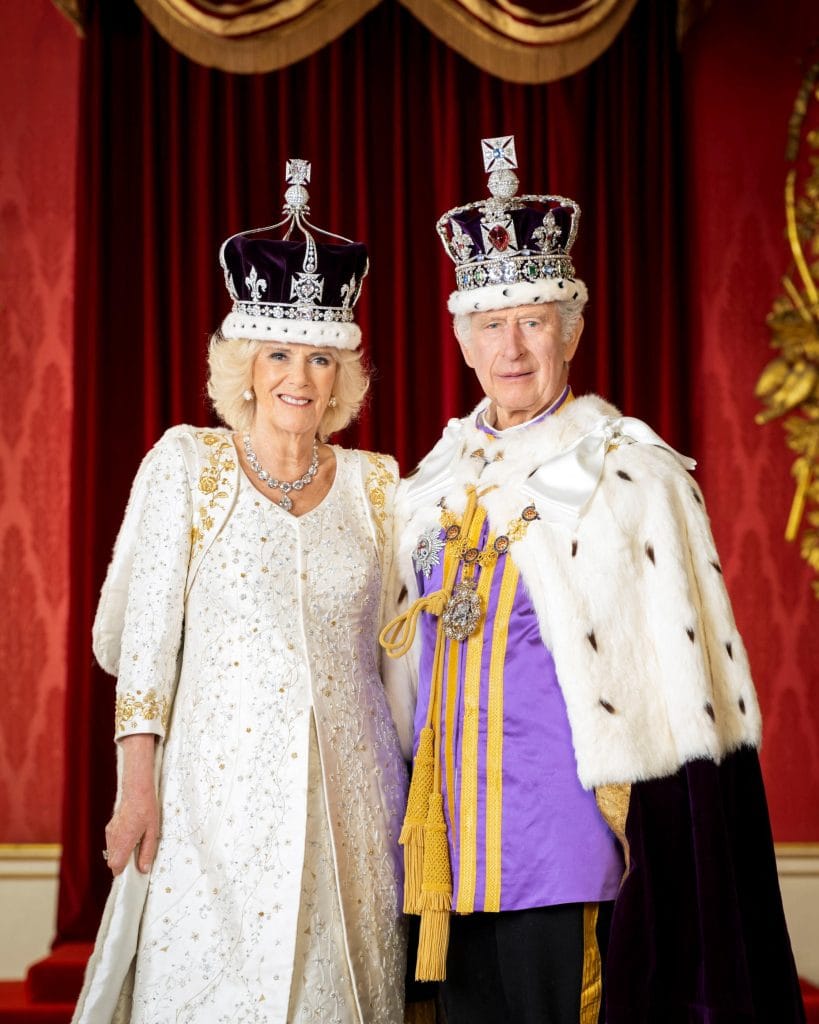 Fortune of Charles III of the United Kingdom
The world’s major powers, such as the United States, China or India, occupy the top of the ranking thanks to their industrial and commercial weight. Their influence also rests on the diversity of their resources, whether natural or cultural.
These elements support production and strengthen their role in global trade.
The natural assets of major economies
Natural resources play a central role in a state’s power. Access to energy, agricultural land or raw materials directly influences production and export capacity.
| Resource | Example dominant country | Economic impact |
|---|---|---|
| Oil and gas | United States, Saudi Arabia, Russia | Strengthens trade balance |
| Agricultural land | India, Brazil, United States | Supports food industry |
| Minerals and metals | China, Australia, Canada | Feeds industrial sectors |
| Maritime resources | Norway, Japan, Indonesia | Promotes fishing and maritime trade |
These natural assets are not always sufficient to guarantee prosperity. Their management depends on political stability, infrastructure and innovation capacity.
A resource-rich but poorly organized country remains vulnerable to economic crises.
Cultural and symbolic wealth
Cultural resources represent another facet of power. Historical heritage, language, arts and tourism fuel economic vitality.
States that promote their culture attract millions of visitors each year. Take France: it draws a significant portion of its GDP from tourism and the cultural industry.
This sector creates jobs, stimulates services and strengthens the country’s image abroad.
Culture also acts as a lever of influence. It facilitates international exchanges and supports growth through the diffusion of ideas, products and know-how.
Country ranking by GDP in 2026
According to the IMF World Economic Outlook, April 2026, the United States remains far ahead in nominal GDP. China follows, while Germany, Japan, the United Kingdom and India form the next competitive tier.
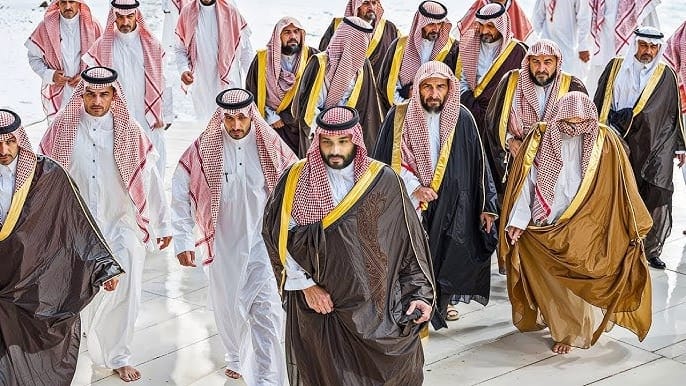 The Richest Monarchs in the World
| GDP rank | Country | Estimated 2026 GDP (USD billions) | 2026 real growth |
|---|---|---|---|
| 1 | United States | 32,384 | ~2.3% |
| 2 | China | 20,852 | ~4.4% |
| 3 | Germany | 5,453 | ~0.8% |
| 4 | Japan | 4,379 | ~0.7% |
| 5 | United Kingdom | 4,265 | ~0.8% |
| 6 | India | 4,153 | ~6.5% |
| 7 | France | 3,596 | ~0.9% |
| 8 | Italy | 2,738 | ~0.5% |
| 9 | Russia | 2,656 | ~1.1% |
| 10 | Brazil | 2,636 | ~1.9% |
Ranking of the main world powers in 2026
The global ranking below favours balance across economy, defense, population, innovation and influence. It therefore does not mechanically follow GDP order: India rises thanks to demographics and growth, while Russia remains high for military depth despite a smaller economy.
| Global rank | Country | 2026 GDP (USD bn) | Military signal | Editorial reading |
|---|---|---|---|---|
| 1 | United States | 32,384 | #1 Global Firepower, $954bn SIPRI | Economy, tech, alliances and the dollar keep it first |
| 2 | China | 20,852 | #3 Global Firepower, $336bn SIPRI | Industry, trade and soft power are advancing quickly |
| 3 | India | 4,153 | #4 Global Firepower | Growth, population and Indo-Pacific role lift its weight |
| 4 | Germany | 5,453 | $114bn SIPRI | Europe’s largest economy and accelerating rearmament |
| 5 | Japan | 4,379 | #7 Global Firepower | Technology, industry and the US alliance remain decisive |
| 6 | Russia | 2,656 | #2 Global Firepower, $190bn SIPRI | Major military power, but an economy under constraint |
| 7 | United Kingdom | 4,265 | submarine nuclear deterrent | Finance, diplomacy, intelligence and global soft power |
| 8 | France | 3,596 | #6 Global Firepower | Independent deterrent, deployable forces and diplomacy |
| 9 | Brazil | 2,636 | regional power | Demographics, resources and South American leadership |
| 10 | Italy | 2,738 | #10 Global Firepower | Industry, Mediterranean influence and European weight |
World’s greatest powers: demographic powers in 2026
Demographic power directly shapes the economic and military strength of a country. A large population offers an abundant workforce, a solid domestic market and, sometimes, expanded defense capacity.
In 2026, some nations assert their demographic weight, which considerably shifts global dynamics.
India takes first place, surpassing China. Its rapid growth is explained by a young population and still-high birth rates.
This dynamic boosts its economic potential, especially in services and tech. China, not far behind, maintains an immense population that continues to support its industry and trade.
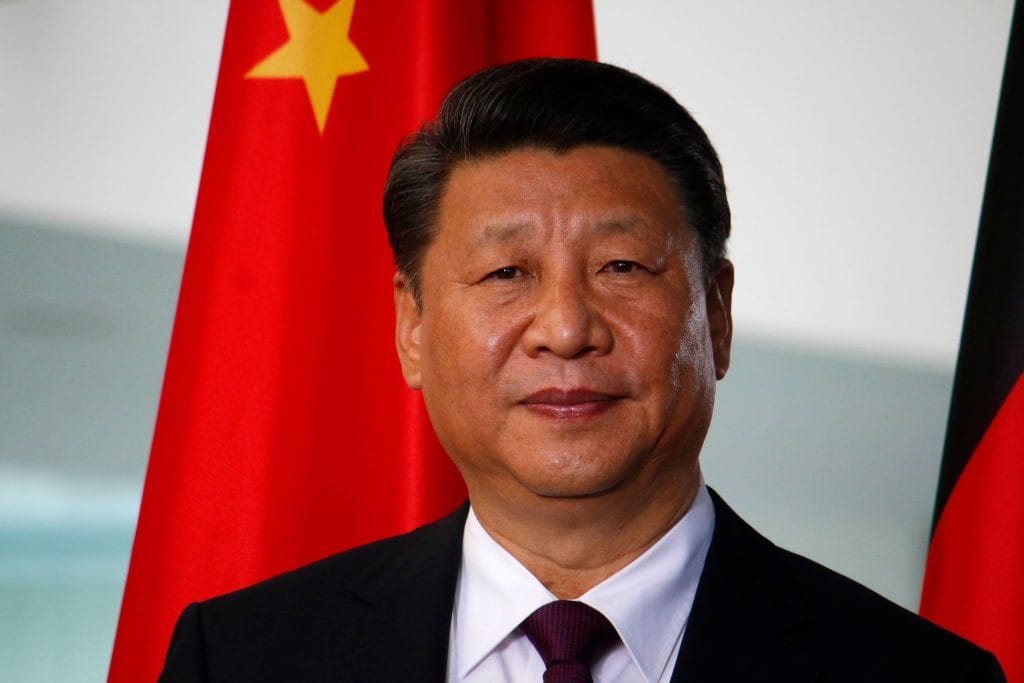 Xi Jinping President of China – Fortune
The United States remains third. Its diverse and highly urbanized population drives consumption and innovation. Indonesia and Pakistan follow, also carried by a large youth population.
Pakistan, moreover, considers demographics as a genuine strategic lever against India.
African countries such as Nigeria and Ethiopia show rapid demographic growth. We are already seeing the demographic center of gravity shift toward Africa.
All of this suggests that, soon, global power will no longer be measured only in dollars or warheads, but also in human potential.
| Rank | Country | Estimated population (2026) |
|---|---|---|
| 1 | India | 1,463,865,525 |
| 2 | China | 1,416,096,094 |
| 3 | United States | 347,275,807 |
| 4 | Indonesia | 285,721,236 |
| 5 | Pakistan | 255,220,000 |
| 6 | Nigeria | 237,528,000 |
| 7 | Brazil | 212,000,000 |
| 8 | Bangladesh | 175,000,000 |
| 9 | Russia | 143,960,000 |
| 10 | Ethiopia | 134,500,000 |
The world’s greatest powers in 2026
The United States still dominates
The United States retains first place among world powers. Their economy, estimated at $32,384 billion, remains the largest in the world.
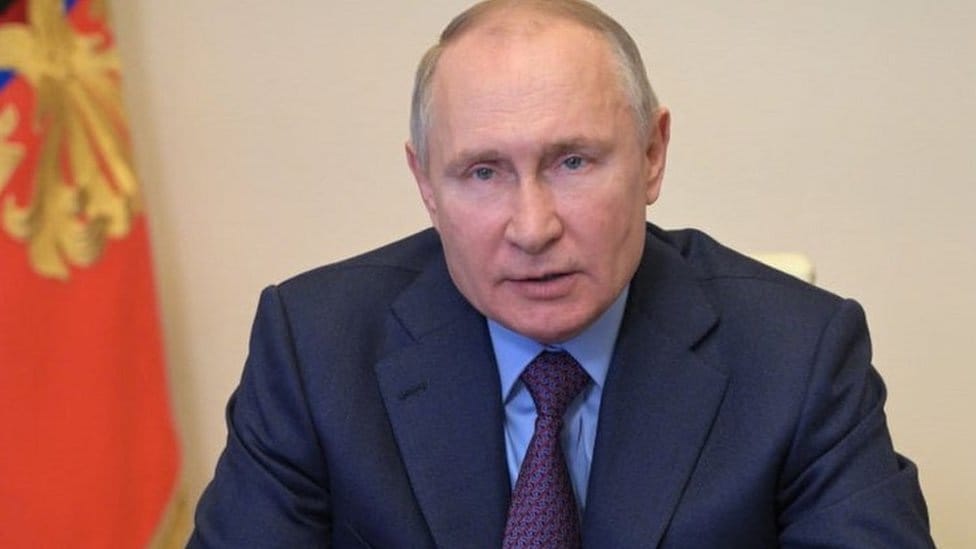 Putin Fortune
This level of wealth gives them enormous influence in tech, finance and the military. They have a defense budget of approximately $954 billion, the highest on the planet.
This budget allows them to maintain a global military network and to invest heavily in research and technology. The United States also possesses approximately 5,044 nuclear warheads, placing them at the top for strategic deterrence.
| Indicator | Estimated value (2026) |
|---|---|
| GDP | $32,384 billion |
| Military budget | $954 billion |
| Nuclear warheads | ≈ 5,044 |
China
China continues to rise in power and remains the number one rival of the United States, both economically and militarily. Its GDP of $20,852 billion shows sustained growth, driven by industry, exports and digital technology.
With a military budget of approximately $336 billion, China occupies second place globally. Its nuclear arsenal, around 600 warheads, remains far behind that of the Americans, but Beijing is modernizing quickly.
The country is clearly seeking to strengthen its influence in Asia and to assert itself further internationally.
Main strengths:
- Expanding industry
- Massive investments in technology
- Growing influence in global institutions
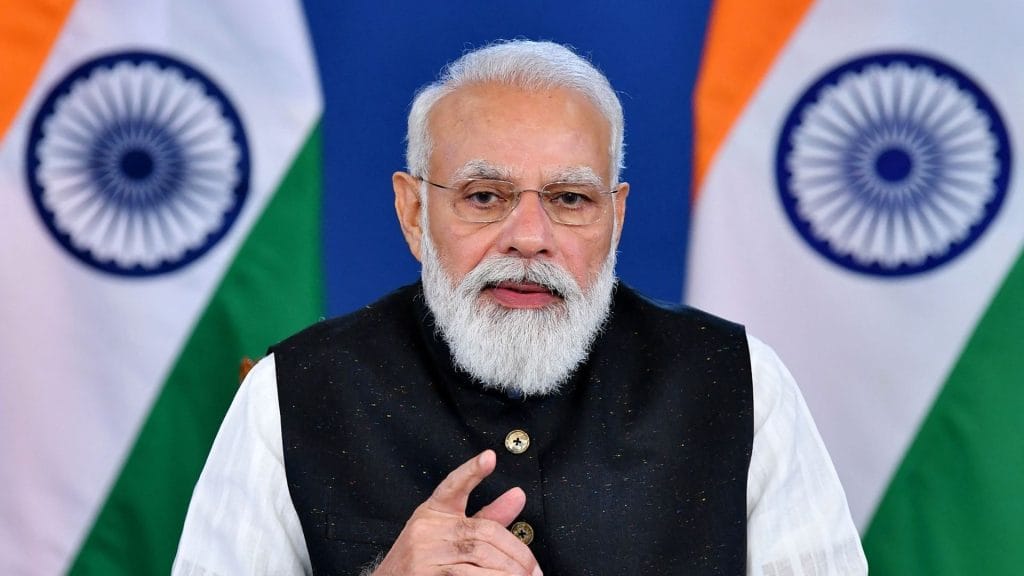 India president
United Europe
The European Union forms a major economic bloc, with a total GDP of approximately $19,991 billion. Germany, France and the United Kingdom remain the engines of the continent.
France alone reaches $3,596 billion in GDP. Yet Europe has no common army. Each country maintains its own armed forces, which limits collective military power.
Despite this, the European Union carries significant weight thanks to its integrated market and diplomatic clout.
The evolution of the ranking of great world powers: legacies of the past
Over the centuries, certain nations have left a deep mark on the world. France, during the era of Louis XIV and then Napoleon, embodied a dominant political and military power.
Its influence extended well beyond Europe, carried by its conquests and its role in global trade.
The Spanish Empire also had its moment of glory. Its presence in North and South America demonstrated the power of its colonial network and its fleet.
The exploitation of resources and the diffusion of Spanish culture reinforced its reach.
The Russian Empire, then the USSR, imposed their power over a large part of Europe and Asia. Their military strength and control over vast territories made them indispensable actors.
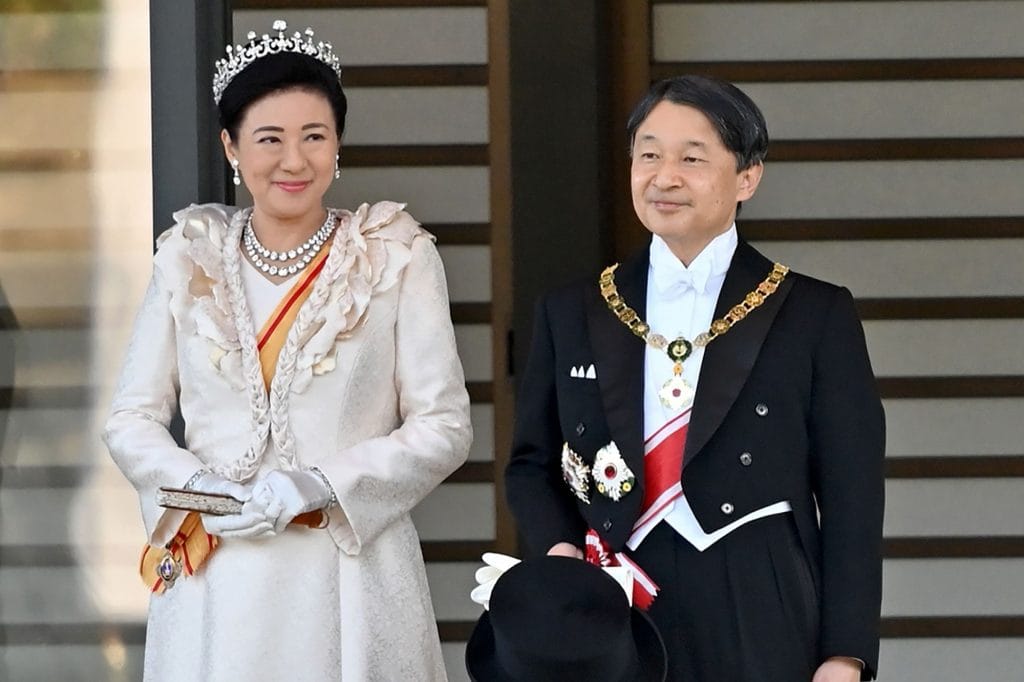 Emperor of Japan
Imperial China, especially under the Qing dynasty, also exerted major economic and cultural authority in East Asia.
The reasons for the decline of these empires vary, but common patterns include:
- Costly military conflicts
- Economic crises that dragged on
- Corruption and loss of legitimacy
- Popular uprisings or revolutionary movements
- External pressures and the rise of new powers
| Empire | Period of major influence | Main decline factors |
|---|---|---|
| France | 17th – early 19th century | Wars, European rivalries |
| Spain | 16th – 18th century | Economic crises, colonial competition |
| Russia / USSR | 19th – 20th century | Conflicts, political collapse |
| China (Qing dynasty) | 17th – 19th century | Uprisings, corruption, foreign interference |
All of this shows how fragile world power remains. It requires a balance between military strength, internal stability and the capacity to adapt to global changes.
World power ranking 2026: the influence of soft power
Soft power measures a country’s ability to attract rather than coerce: culture, universities, media, brands, diplomacy, tourism and international trust. Brand Finance’s Global Soft Power Index 2026 still ranks the United States first, but with a clear decline in perception.
| 2026 soft-power rank | Country | Main signal |
|---|---|---|
| 1 | United States | Still first, but down to 74.9/100 |
| 2 | China | Second with 73.5/100 and stronger reputation |
| 3 | Japan | Moves onto the podium through culture, technology and trust |
| 4 | United Kingdom | Still highly influential despite relative decline |
| 5 | Germany | Industrial image, governance and sustainability |
| 6 | France | Culture, gastronomy, tourism, diplomacy and language |
This dimension changes how the ranking should be read: a military power can impress, but an attractive power sells its ideas, products and alliances more easily.
Conclusion: A World Power Is No Longer Just About Tanks and GDP
In 2026, the world power ranking rests on a much more complex balance than in the past. The United States still dominates, but China and India are accelerating. Europe remains influential through its economic and diplomatic weight, even if its military influence remains fragmented.
Power is now measured at the intersection of several dimensions:
- economic strength (GDP, innovation, industry),
- military power (budget, technology, nuclear),
- demographics (population, youth, urbanization),
- soft power (culture, values, education, image),
- adaptive capacity (technology, AI, energy transition).
The world of 2026 shows that no position is secured forever. New powers are rising, old ones are reinventing themselves. And tomorrow, the ranking could once again shift, driven by crises, innovations… and ambitions.
Frequently Asked Questions – World Power Ranking 2026
What factors are used to establish the world power ranking?
Rankings are based on several key indicators.
We look at the size of the economy, military power, diplomatic influence, innovation capacity and political stability.
International organizations and research institutes cross-reference all this data.
They thus assess the global weight of each country.
How do countries’ positions change over time?
Positions shift with economic trends, political developments and technological progress.
A country can gain in influence through rapid growth or active diplomacy.
Conversely, an internal crisis or economic slowdown can cause a country to lose places in the ranking.
Which countries currently occupy the top positions in the global ranking?
In 2026, the United States retains first position, closely followed by China.
India, Japan and Germany are also among the leading powers.
These countries stand out through their economic weight, geopolitical influence and technological edge.
| Approximate rank | Main countries | Strengths |
|---|---|---|
| 1 | United States | Economy, innovation, defense |
| 2 | China | Industry, trade, regional influence |
| 3 | India | Growth, demographics, technology |
| 4 | Japan | Technology, stability, developed economy |
| 5 | Germany | Industry, diplomacy, economic power |
How do economic aspects influence the global ranking?
The economy remains a central pillar of the ranking.
Gross domestic product (GDP), exports, productivity and investment in research play a key role.
A solid economy makes it possible to fund defense, diplomacy and social programs.
This strengthens a country’s global influence.
What role does military power play in the global hierarchy?
Military strength supports national security and international influence.
Countries with modern armies and nuclear capabilities often retain a strategic advantage.
But military power, without a stable economy and reliable alliances, is not enough.
How do international alliances influence the position of powers?
Diplomatic partnerships and international organizations give a real boost to a country’s position.
Alliances like NATO, the European Union, or certain regional partnerships encourage cooperation, whether on the economic or security front.
When a state can count on a network of reliable allies, it is more easily able to influence global decisions.
Key takeaways
- The United States remains the leading global power in 2026, but China's soft-power gap has narrowed.
- China holds second place thanks to GDP, industrial depth and diplomacy, while India confirms its role as the third demographic and economic pole.
- The ranking combines IMF 2026 nominal GDP, Global Firepower military rank, SIPRI 2025 military spending, population and Brand Finance soft power.
Editorial methodology
The estimates published by Lama Fortune rely on public sources, media references, and sector comparisons. They are provided for informational purposes only and do not constitute financial advice.