Deadmau5 Net Worth
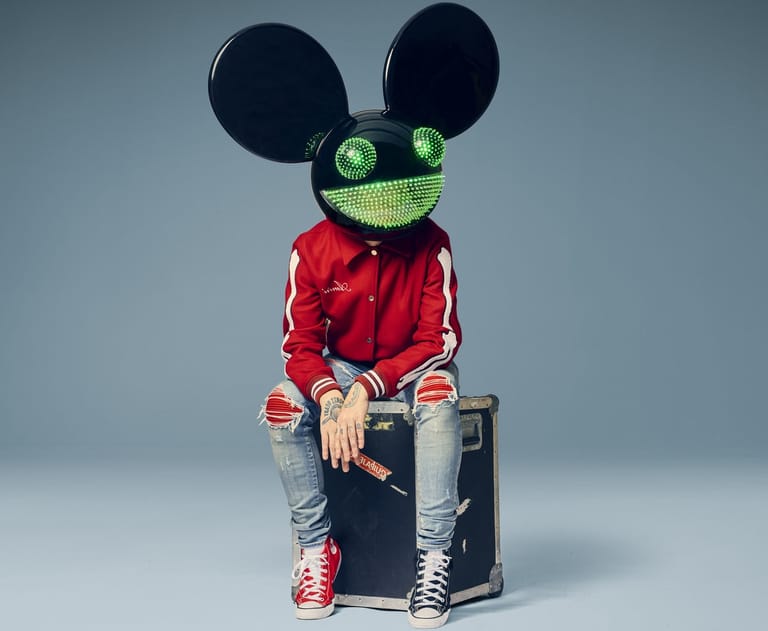
You recognise him by his silhouette before the first note: two giant ears, a fixed smile, and an aesthetic that shaped EDM in the 2000s–2010s. Behind the helmet is Joel Thomas Zimmerman, born January 5, 1981, in Niagara Falls, Ontario — the world knows him by one name: deadmau5. In 2025, we are no longer talking just about hits and monumental shows: we are talking about a fortune. With the sale, in spring 2025, of a large portion of the deadmau5 catalogues and the mau5trap label for an announced amount exceeding 55 M$, the artist’s wealth has shifted into a new dimension. Estimate: 65 to 85 million dollars, depending on the exact breakdown of the deal, taxation, and the share retained by Zimmerman. The icon has not merely written the soundtrack of the night; he has transformed his work into assets.
 Deadmau5’s net worth
From nerd beginnings to architecting the world stage
Before the arenas and festivals, there was a studio geek. Zimmerman grew up surrounded by computers, consoles, and trackers; music was as much coded as it was composed. It is this engineer’s approach — obsession with sound, rigour in audio chains, love of home-built solutions — that would fuel his signature. Then came the explosion: Random Album Title (2008), For Lack of a Better Name (2009) and 4×4=12 (2010) established a language — clear arpeggios, dry bass, progressive tension — that would permeate even pop. Tracks like Strobe, Ghosts ‘n’ Stuff, and Raise Your Weapon broke out of the club and embedded themselves in web culture.
But deadmau5 was not content to simply stack hits: he designed his concerts. His famous cube, part screen, part sculpture, part cockpit, evolved through each tour. Every version is a gesture of stage architecture in which sound, light, and mapping respond to one another. The live show became a premium product, selling out consistently, and a recurring financial pillar.
A label to shape a generation: mau5trap
In 2007, Zimmerman launched mau5trap. At the time, it was an independent gamble; today, it is a roster, a style, and a body of expertise. The label serves both as a launch pad (for career starts that have since become historic) and as a vault for a catalogue that has only increased in value in the streaming era. Mau5trap is not just a logo: it is an A&R function, a flow of royalties, masters, and publishing, and a creative playground that extends the founder’s vision. In 2025, the joint sale of the deadmau5 catalogue and a substantial stake in mau5trap crystallises fifteen years of patient accumulation.
 Deadmau5’s wife
Kx5, the (very) profitable second wind
Teaming up with Kaskade to form Kx5 was not a nostalgic move: it was an engineering idea. The duo ticks every box in the current market — calibrated singles, melodic aesthetic, XXL shows — and scored a #1 debut on the Billboard Dance/Electronic Albums chart in 2023. The result: new live revenue streams, potential syncs, and above all, the reactivation of an audience that crosses generations. In the “revenue” column, Kx5 adds another floor; in the “image” column, it builds a bridge between the 2010s scene and today’s.
Money, rights, streaming: how the machine runs
deadmau5’s success reads like a dashboard.
1) Rights: before 2025, the artist collected publishing, neighbouring rights, and synchronisations (games, series, ads). The 2025 sale brings a massive upfront payment and reshuffles the cards: fewer revenues spread over time, more immediate capital — enough to invest, secure, and diversify.
2) Live: headline fees, extended by merch (capsule collections, limited editions, mau5head variations). Even during quieter cycle periods, his name commands high pricing.
3) The label: margin on catalogue, artist development, reissues and remixes — the “long-tail factory”.
4) Tech: sound packs, software, hardware/software collaborations, all discreet but consistent lines that fit the engineer-producer profile.
A studio-home turned legend
Far from showcase villas, Zimmerman chose a rural property in Ontario: acres of greenery, an endless driveway, and above all a studio that mixing rooms the world over would envy. Filmed tours have made the rounds on the internet: immaculate racks, rare synthesisers, cable management ordered to the millimetre. This workshop-home — purchased at an already stratospheric price — is not just a whim; it is a production tool and a tangible asset anchoring his wealth.
Ferrari “Purrari” & Fortnite collaboration
 Deadmau5’s Ferrari “Purrari”
A symbol of his humour (and his creative freedom), deadmau5 once customised his Ferrari 458 Spider into a “Purrari” with a sky-blue Nyan Cat wrap, personalised badges, and floor mats. In 2014, Ferrari sent him a cease & desist ordering him to remove what they deemed problematic elements (badges, floor mats) and to remove the wrap — an episode that has become iconic in EDM and car culture. The matter was settled without a lawsuit and even prompted a teasing response from Nissan, which ironically offered a “Nyan Cat” GT-R as a “replacement”. A few weeks prior, the “Purrari” had already gone viral during a Coffee Run with Toronto Mayor Rob Ford.
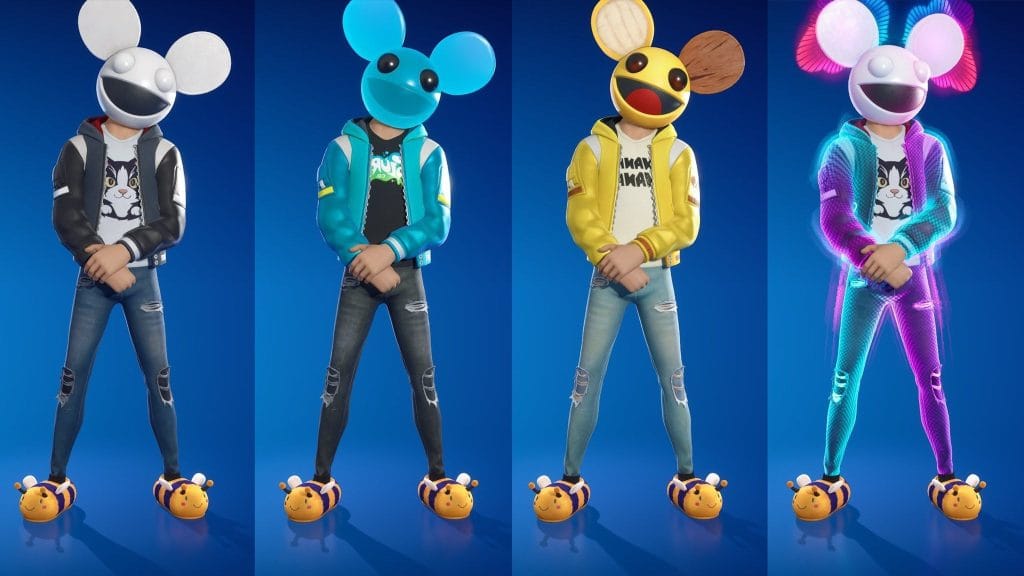
On the gaming side, deadmau5 was part of the Party Royale launch in Fortnite: on May 8, 2020, he performed live in-game on the Main Stage alongside Dillon Francis and Steve Aoki, during an official Epic Games event (with repeat showings over the weekend). This “virtual concert” format bolstered his visibility with a massive and very young audience, while generating catalogue/merch spinoffs and new partnership opportunities.
 Deadmau5 Fortnite Skin
Supercars, memes and lawyer’s letters
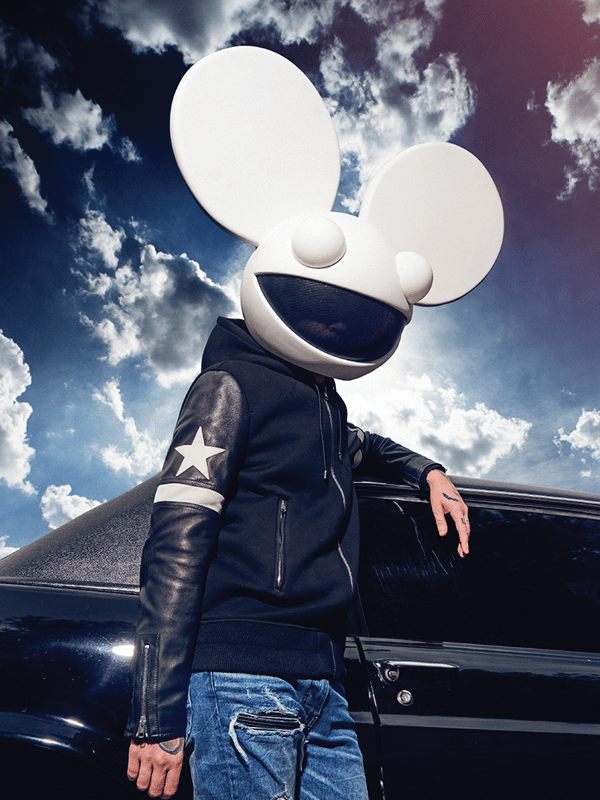
The garage tells another story — more playful and more rock. McLaren P1, Senna, Italian and electric cars pass through it. The most famous episode remains the Ferrari 458 “Purrari”, wrapped in Nyan Cat imagery: what began as a joke became serious business when the Italian brand sent a cease & desist. Zimmerman de-branded it, sold it, and the EDM world kept a founding meme — irreverence as a branding strategy. On the other side, Disney fought over the mouse head trademark; the matter was settled by agreement, proof that one can be both iconoclastic and legally sound. These “dramas” did not break the working tool; they reinforced it: today, the mau5head is a distinctive mark that is almost unassailable in its stage use.
Private life: glimpses and discretion
On the personal front, the public mainly recalls two chapters. First, the high-profile engagement with Kat Von D in the early 2010s, then the marriage to Kelly Fedoni in 2017 — with a separation announced in 2021, in a relatively calm message. Beyond that, the producer protects his private life and shares sparingly: lots of studio, a few cars, nods to internet culture, and that candour that has made his online reputation — dreaded by PR teams, beloved by fans.
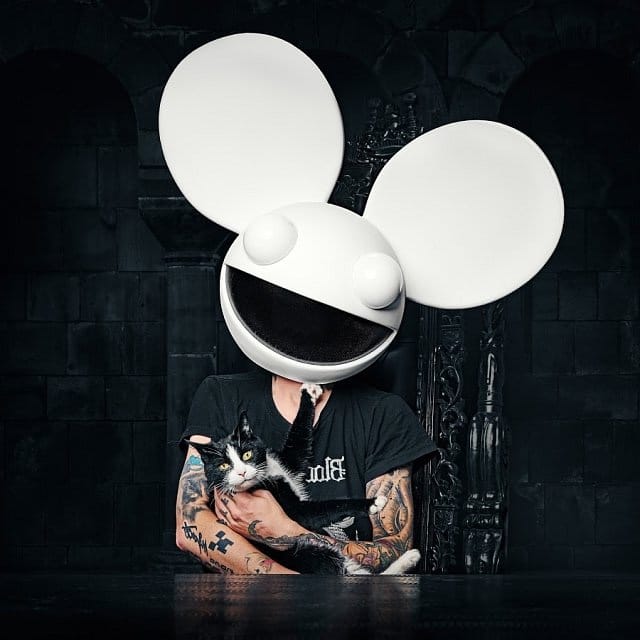 Deadmau5’s fortune
Discography and creative legacy
On the discography side, everyone has their favourite, but the backbone is clear: Random Album Title and 4×4=12 for the DNA, Album Title Goes Here and while(1<2) for maturity, where’s the drop? for orchestral exploration, Kx5 for the era of giant duos. In the streaming era, these albums never “die”: they are fed by remixes, playlists, and TikTok cycles. That is the magic of catalogues: a track can take off again ten years later, and every rediscovery translates into cash flow.
Why his empire holds up
Because deadmau5 understood early what many artists spend a lifetime figuring out: music is an art, but its footprint is an asset. By multiplying entry points (albums, shows, label, tech) and investing in proprietary symbols (the mouse head, the cube, a distinctive sonic style), he built a resilient system. Even when the internet catches fire, the backbone holds firm: rights, a brand, a stage.
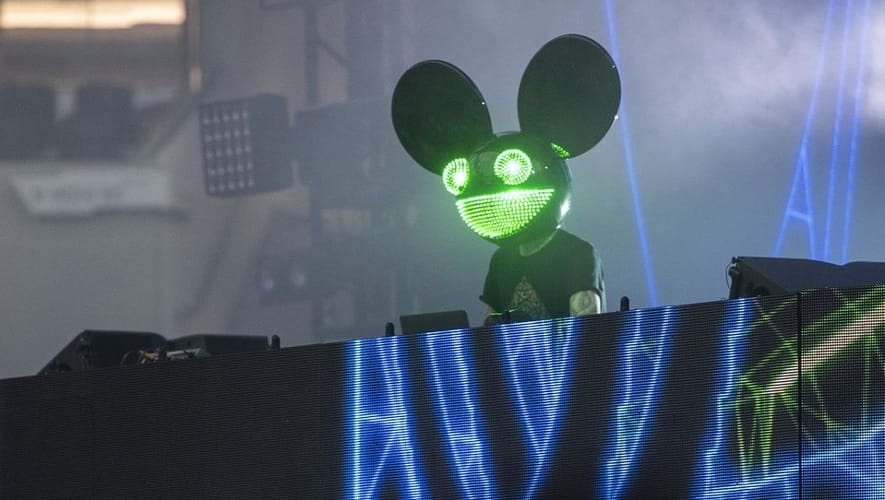 Deadmau5 concert
His net worth/fortune
deadmau5’s net worth rests first and foremost on his music rights: the 2025 sale (deadmau5 catalogues + mau5trap) injected significant capital (>55 M$ for the overall transaction), converting spread-out revenues into immediate cash — enough to invest, secure, and diversify. Added to this are recurring revenue streams: headline live fees, merch tied to the mau5head, licences & syncs (games, advertising, series), and the momentum of the Kx5 duo (Billboard Dance/Electronic #1 album).
On the tangible assets side, he owns a high-end property-studio in Ontario (mansion + professional studio) and a supercar collection (P1, Senna, etc.) which, beyond image, represent appreciable assets. Finally, his intellectual property — helmet design, visual identity, trademarks — acts as a strategic asset: it secures merchandising, partnerships, and stage monetisation, consolidating a 2026 net worth we estimate between 65 and 85 million dollars.
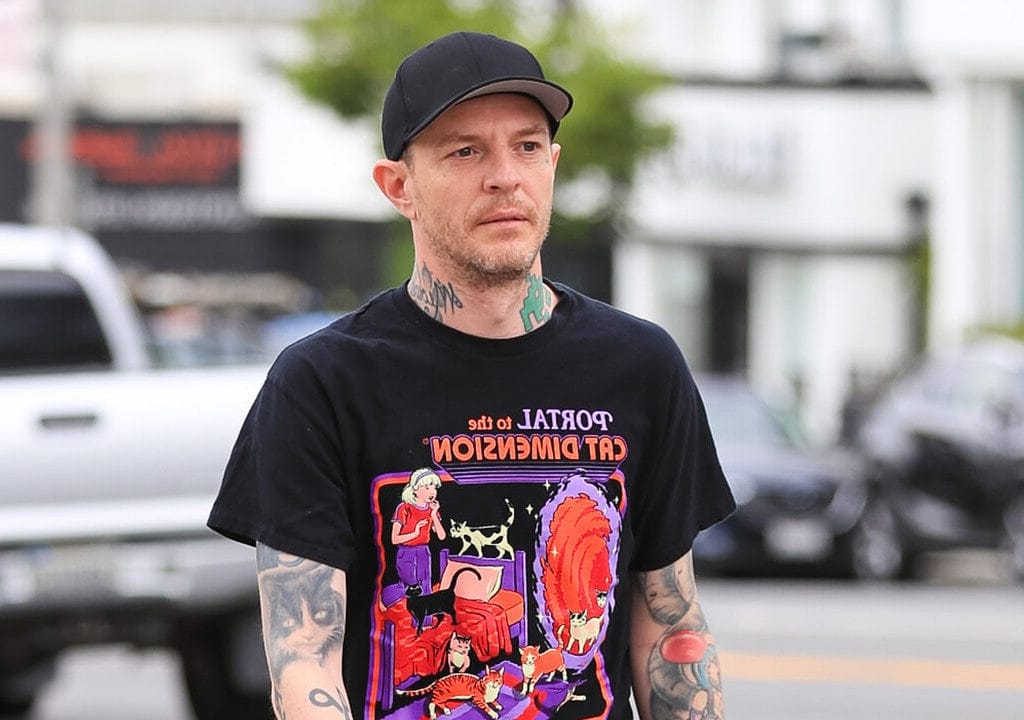 Deadmau5’s head
What is deadmau5’s fortune, really?
Nobody outside his team and advisors knows the exact figure. What we do know: the 2025 transaction exceeds 55 M$ for the whole package (his catalogue + mau5trap). Depending on the share he retains, taxation, and any potential earn-outs, the 65–85 M$ range in 2025 is credible. Add a still-dynamic live cycle, the Kx5 image residual, high-end real estate, and a brand that keeps selling merch: the curve always points upward.
Conclusion
deadmau5 (Joel Zimmerman) — estimated 2026 fortune: 65–85 M$: through the sale of his catalogues (including the mau5trap label), premium shows (the famous cube), the Kx5 duo with Kaskade, licences/sync, and an iconic stage brand (mau5head), he stands among the wealthiest EDM producers. A diversified portfolio (rights, label, real estate, IP, supercars, merch, tech) locks in long-term profitability.
Frequently Asked Questions (FAQ)
What is Deadmau5’s estimated net worth?
According to current estimates, Deadmau5 has a net worth of approximately 75 million dollars. Some sources suggest this figure could reach 103 million dollars in 2025. The Canadian electronic music producer has achieved considerable financial success since his rise in the late 2000s.
What are Deadmau5’s main sources of income?
Deadmau5’s income comes from several sources:
- Music sales and streaming
- Live performances and tours
- Brand collaborations
- Copyrights and licences
- His mau5trap label
Recently, he sold his music catalogue and label for 55 million dollars, which represents a major transaction in his financial career.
How does Deadmau5’s fortune compare to other electronic music artists?
Deadmau5 ranks among the wealthiest DJs in the world. In some rankings, he appears tied in 18th place among the wealthiest DJs of all time. Although his net worth is impressive, it remains below that of some big names such as Calvin Harris or Tiësto, who possess larger fortunes.
What is the impact of tours and shows on Deadmau5’s fortune?
Live performances constitute an essential part of Deadmau5’s income. His shows, recognisable by his famous mouse-head helmet, allow him to:
- Command significant fees for each performance
- Increase his visibility and popularity
- Promote his new music releases
- Sell merchandise at events
World tours contribute significantly to his overall net worth.
Does Deadmau5 have other businesses that contribute to his net worth?
In addition to his music career, Deadmau5 has diversified his business activities:
- His mau5trap label discovers and promotes new talent
- He has developed musical applications and software
- He has created a line of merchandise bearing his likeness
- He has participated in collaborations with technology and fashion brands
These parallel ventures strengthen his financial position and reduce his dependence on music revenues alone.
How has the evolution of Deadmau5’s career affected his financial situation over the years?
Deadmau5’s financial situation has seen steady growth since his debut. Joel Thomas Zimmerman (his real name) became famous in the late 2000s. His growing popularity directly influenced his earnings. The recent sale of his catalogue for 55 million dollars marks an important milestone in his wealth management.
His ability to adapt to changes in the music industry, particularly the shift to streaming, has allowed him to maintain his profitability while other artists have faced difficulties.
Editorial methodology
The estimates published by Lama Fortune rely on public sources, media references, and sector comparisons. They are provided for informational purposes only and do not constitute financial advice.