How Much Is Eddy Merckx Worth? A Complete Analysis of His Fortune and Assets
Amounts mentioned are estimates based on public sources and can vary depending on methodology (income, assets, debt) and update date.
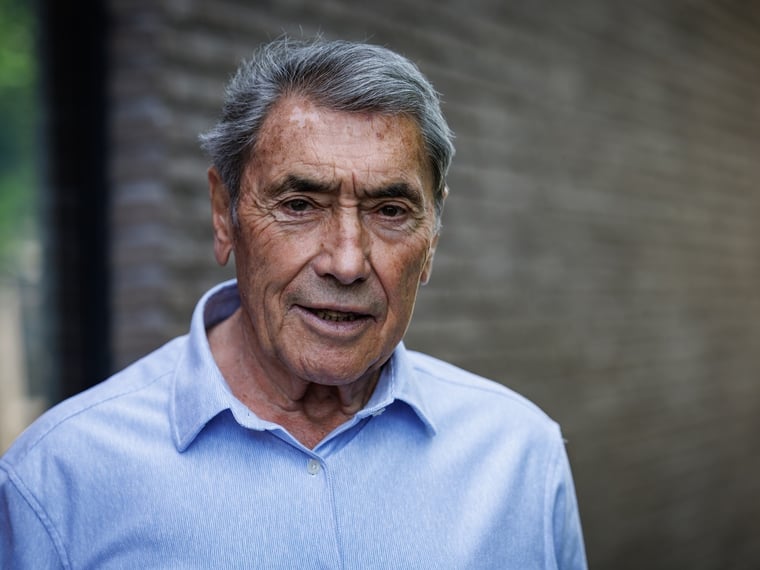
Eddy Merckx, nicknamed “The Cannibal”, has not only written his name in cycling history with his 525 victories. His name has quite simply become a brand — almost a synonym for sporting success and economic intelligence.
Today, his fortune comes from a combination of earnings accumulated during his career, well-judged investments, and the success of his high-end bicycle brand, Eddy Merckx Cycles.
At 80, he remains a respected legend. His influence extends far beyond the roads and podiums he once dominated.
Between the revenues from his exploits, his collaborations with the cycling industry, and a fortune built on passion, he has truly achieved the rare transition from athlete to entrepreneur.
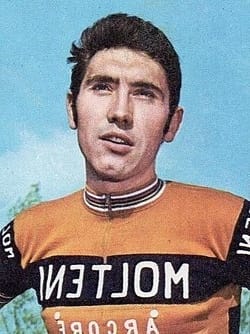 Eddy Merckx’s fortune
Understanding Eddy Merckx’s fortune also means taking a look at how he transformed his victories into a solid legacy. Beneath the myth of the “Cannibal” lies a thoughtful businessman, committed to quality and the image of excellence that still bears his name.
Eddy Merckx’s Current Fortune: Estimate and Analysis
Eddy Merckx, or “the Cannibal” to his fans, remains a towering figure in world cycling. His current wealth stems from an exceptional career, followed by commercial activities and investments tied to his name and image.
His net worth is something of a reflection of his sporting successes and his enduring influence in the sport.
Evolution of his wealth since retirement
After retiring in 1978, Eddy Merckx was able to preserve and even grow his income. In the 1980s, he launched Eddy Merckx Cycles, a high-end bicycle company in Belgium.
This company long formed the bedrock of his fortune.
Although the brand changed hands and management over time, it maintained its reputation and continued to generate revenue. He also benefited from advertising partnerships and appearances at sporting events.
Today, several estimates place his personal fortune at between 10 and 15 million euros. Figures vary depending on the source and how his assets are valued.
This net worth remains modest compared to some modern athletes, but is still impressive for a rider of his generation.
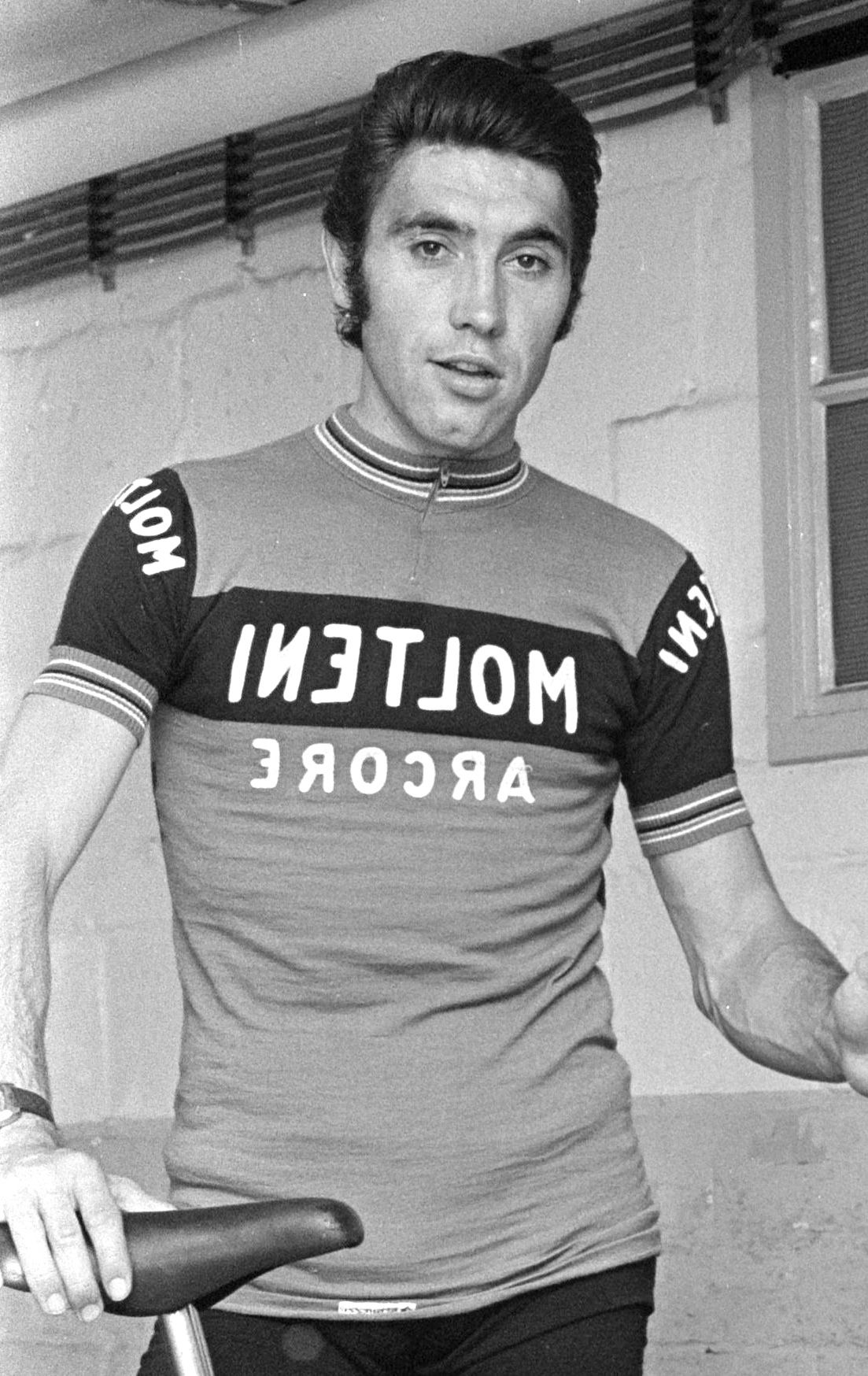 Wealthy Eddy Merckx
Current main sources of income
Eddy Merckx’s income comes mainly from image rights, conferences, and collaborations with cycling brands.
He remains highly sought after for events around the Tour de France and other major competitions.
He also holds real estate and financial investments, which provide him with long-term stability.
Even though he is no longer directly involved in bicycle production, his name remains associated with high-end products.
Main current sources:
- Royalties on the Eddy Merckx Cycles brand
- Media appearances and sporting events
- Personal investments (real estate, financial holdings)
His prudent management, combined with these income streams, explains the solidity of his financial situation.
Comparison with other cycling legends
Compared to more recent figures such as Lance Armstrong or Tadej Pogacar, Merckx’s fortune remains lower in absolute terms.
Sponsorship contracts and modern riders’ salaries are truly incomparable to those of his era.
But Merckx retains an enormous symbolic capital. His reputation as the greatest cyclist of all time gives him an image value that shows no signs of waning.
Few riders enjoy such universal recognition.
In terms of financial stability, he is more similar to European legends such as Bernard Hinault. These former champions remained active in cycling without depending solely on their career earnings.
This reinforces Merckx’s place among the most respected figures in the sport.
Income from Eddy Merckx’s Sporting Career
Eddy Merckx built the bulk of his fortune on his sporting successes and the consistency of his performances between 1965 and 1978.
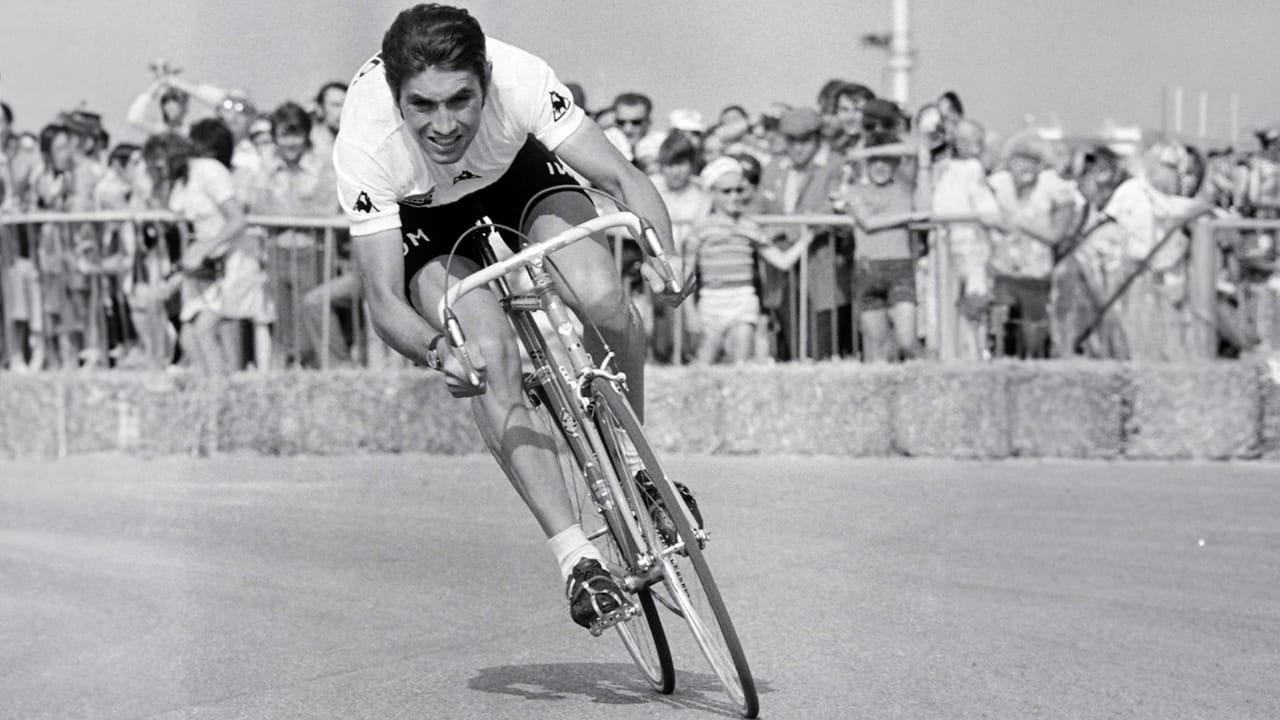 Eddy Merckx’s bicycle
His earnings came from race prize money, team contracts, and the economic spinoffs of his records and world titles.
Earnings from victories and prize money
During his career, Merckx won 525 professional races, including 11 Grand Tours and 5 Tours de France.
Each victory came with prize money — significant for the era, even if it seems modest by today’s standards.
Major races such as the Tour de France, Giro d’Italia, and Vuelta a España offered financial rewards.
But it was above all his consistency that made the difference.
By accumulating stage prizes, general classification bonuses, and performance bonuses, he was able to amass solid earnings.
His successes in classics such as Milan–San Remo, Paris–Roubaix, and Liège–Bastogne–Liège also boosted his market value.
These races attracted sponsors and high prize money, sometimes accompanied by short-term advertising contracts.
| Race type | Number of victories | Period | Estimated financial impact |
|---|---|---|---|
| Grand Tours (Tour, Giro, Vuelta) | 11 | 1968–1974 | Very high |
| Classics and Monuments | 19 | 1966–1976 | High |
| Other races and stages | 495 | 1965–1978 | Moderate |
Contracts with professional teams
Professional teams represented a major source of income for Merckx.
He notably raced for Peugeot-BP, Faema, and then Molteni, where he received a fixed salary and performance bonuses.
At the time, contracts were nothing like those of today, but Merckx was among the best-paid in the peloton.
His performances and his image as a reliable champion justified these amounts.
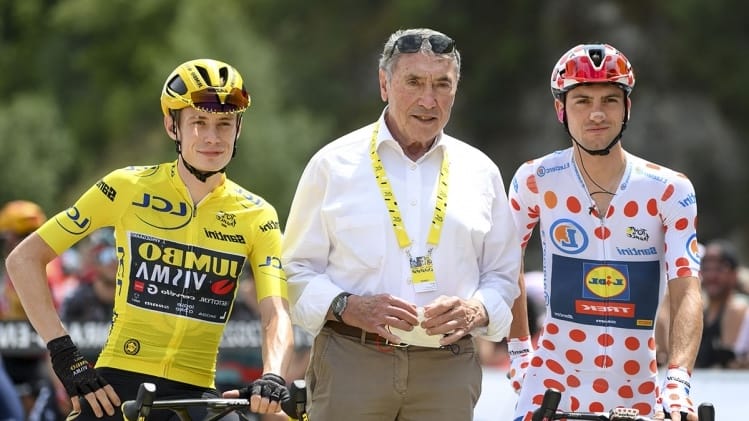 Tour de France Eddy Merckx
Teams also benefited from his fame. Each victory increased sponsor visibility.
In return, Merckx received advertising bonuses and perks, such as personalised bicycles and image-related payments.
Spinoffs from records and major titles
His records and world titles reinforced Merckx’s economic value.
His hour record in 1972 in Mexico City (49.431 km) brought him international recognition and new contracts.
His historic treble in 1974 — Tour de France, Giro d’Italia, and World Championship — further cemented his status as the world benchmark.
These exploits generated post-competition revenues, particularly through public appearances and collaborations with bicycle brands.
Even after retirement, these performances continue to sustain the profile of Eddy Merckx Cycles. It is clear that his sporting successes had a real economic impact, even in the long term.
Eddy Merckx Cycles and the High-End Bicycle Industry
Eddy Merckx successfully transformed his sporting legacy into a recognised brand in the world of high-end bicycles.
His name remains associated with performance, Belgian craftsmanship, and technical excellence inherited from his career as a champion.
Founding and development of the brand
Eddy Merckx Cycles was launched in the late 1970s, shortly after the champion’s retirement.
The idea was simple: to manufacture bicycles capable of reaching the standard of excellence he demanded on the road.
Initially, the company specialised in handmade steel frames made in Belgium.
These models quickly won over professional cyclists and demanding enthusiasts.
Over time, the brand incorporated materials such as carbon and aluminium. It modernised its production lines while retaining a craftsmanship-based approach.
This blend of tradition and innovation has allowed Eddy Merckx Cycles to remain a benchmark in performance cycling.
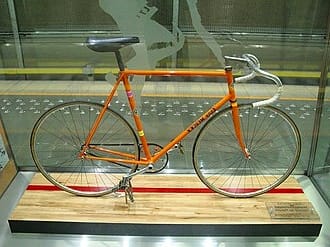 Eddy Merckx metro
Positioning on the international market
On the global market, Eddy Merckx Cycles sits in the high-end bicycle category.
The brand focuses on a balance between performance, comfort, and aesthetics — criteria that resonate with cycling enthusiasts.
Its ranges, such as the 525 (carbon road) or the Pévèle (all-road), target users looking for a durable and precise product.
These models are designed for road, gravel, or long-distance riding.
The company maintains a prestigious image, underpinned by Merckx’s reputation.
Even with stiff competition from brands such as Trek or Specialized, Eddy Merckx Cycles remains synonymous with Belgian quality and a unique sporting legacy.
Impact on Merckx’s personal fortune
Eddy Merckx Cycles played an essential role in Merckx’s financial stability after his career.
Although the brand never reached the size of the sector’s giants, it generated regular income through its premium positioning.
Merckx long maintained an active role in the management and promotion of the brand.
His partnerships and the strength of his name boosted the company’s commercial value.
European production costs and global competition limited profit growth.
Nevertheless, the company remains a profitable symbol of his legacy and adds a genuine entrepreneurial dimension to the Cannibal’s fortune.
Investments, Collaborations and Post-Career Activities
Eddy Merckx successfully transformed his sporting prestige into a lasting presence in cycling.
He invested in sport-related businesses, supported major events, and advised promising young Belgian athletes.
Through these activities, he remains an influential figure, well beyond his competitive years.
Partnerships and sponsors in modern cycling
After his retirement, Merckx launched Eddy Merckx Cycles in 1980, a high-end bicycle brand. He worked with professional teams such as Lotto, Quick-Step, and more recently the AG2R Citroën Team, reinforcing his connection with modern cycling.
He also collaborated with component manufacturers and technical clothing brands. These partnerships showcase Belgian quality in the bicycle industry.
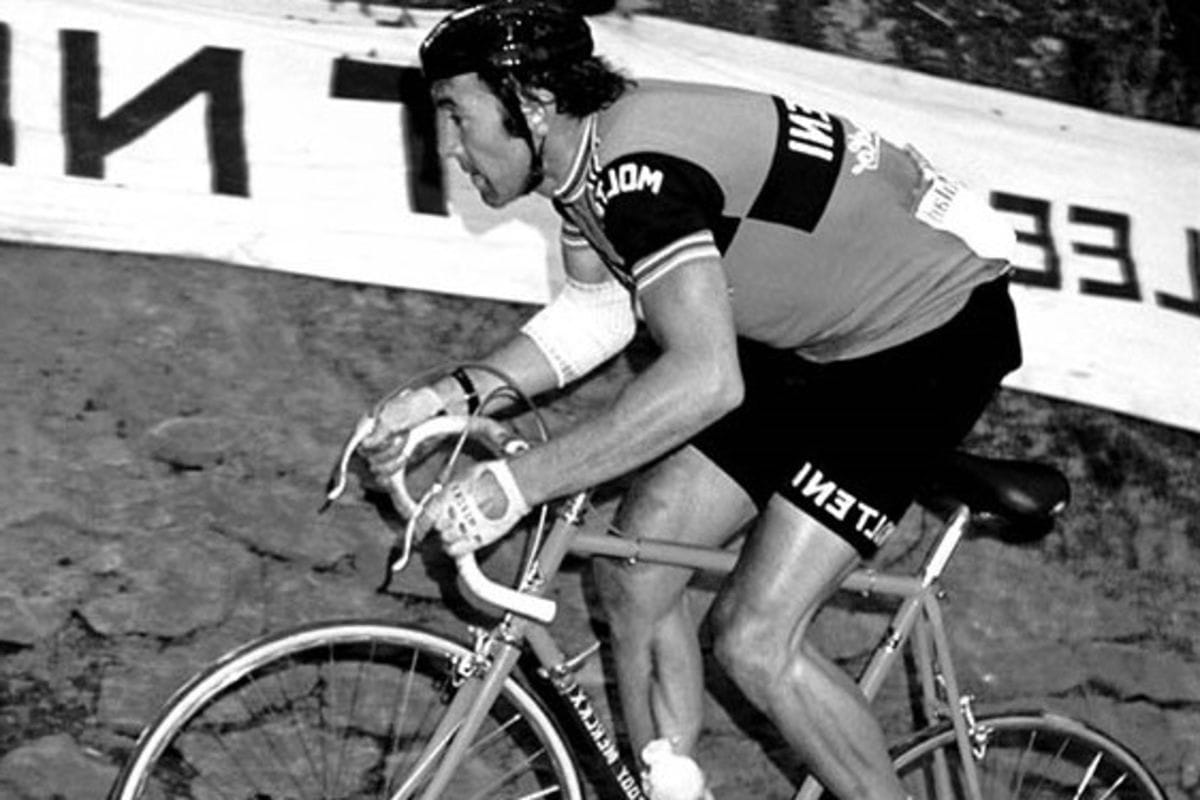 Eddy Merckx victory
Even after selling part of his company, he remains attached to his name — a symbol of performance and reliability. Brands still use his image for cycling marketing, especially during commemorative events or special model launches.
| Year | Main partner | Type of collaboration |
|---|---|---|
| 1980 | Eddy Merckx Cycles | Brand creation |
| 1990s | Lotto, Motorola | Bicycle supply |
| 2010s | AG2R, Quick-Step | Technical sponsorship |
Involvement in the organisation of sporting events
Merckx has genuinely played a role in the promotion of international cycling. He organised classics and races in Belgium, such as the Eddy Merckx Classic and stages of the Tour de Belgique.
He also worked with sporting institutions to set up events in Europe and the Middle East, notably in Dubai and Doha, where he advised on logistics and route safety.
Organisers continue to call on his expertise to boost the visibility and credibility of competitions. He thus maintains an active presence behind the scenes of professional cycling.
Mentorship and influence on new generations
Eddy Merckx continues to inspire Belgian riders, such as Remco Evenepoel and Johan Museeuw. He regularly speaks with them about career management and training.
He also supports young cyclists through development programmes and educational events organised by the Belgian Cycling Federation. His vision emphasises rigour, versatility, and respect for the sport.
Many young athletes see him as a model of consistency and professional ethics — something that has become essential in modern cycling.
Eddy Merckx’s Assets: Property, Possessions and Lifestyle
Eddy Merckx has built his fortune through his career, his commercial activities, and the solid value of his name. His assets reflect a combination of prudent investments, attachment to his roots, and a discreet but comfortable lifestyle.
Real estate and places of residence
Eddy Merckx has long lived in the Brussels region. He owns a spacious house in a quiet residential neighbourhood.
He remains deeply attached to Meensel-Kiezegem, his native village in Flemish Brabant. There, he maintains family ties and occasionally participates in local events.
His real estate portfolio consists mainly of private residences, not ostentatious properties. Unlike some former champions, he has never sought to flaunt his wealth.
It is estimated that he has invested in a few rental properties to ensure long-term financial stability. He manages these investments prudently, true to his image as a thoughtful and straightforward man.
Collectibles and historic memorabilia
Merckx holds a fine collection of objects related to his career. He owns his original racing bicycles, yellow jerseys, trophies, and several medals won between 1965 and 1978.
Some items are displayed in cycling museums in Belgium, notably near Kiezegem, where a dedicated space pays tribute to him. Other pieces remain in his private collection, carefully preserved for their sentimental and historical value.
Auction sales of Merckx-related memorabilia, such as signed bicycles or vintage jerseys, often reach high amounts. These objects show just how deeply his career has marked Belgian and world sporting heritage.
Image management and likeness rights
Since the end of his career, Eddy Merckx still earns income through image management. His Eddy Merckx Cycles bicycle brand, founded in 1980, keeps his name firmly present in professional cycling.
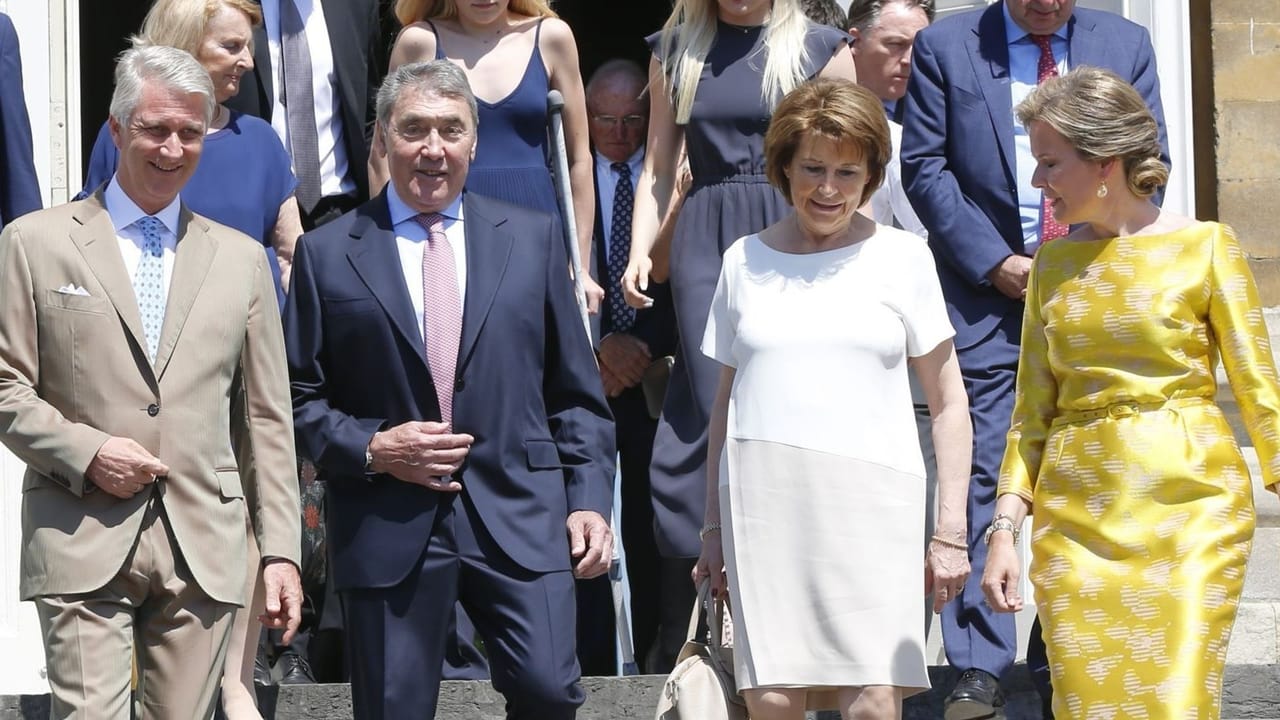 Eddy Merckx’s wife
Although the company has changed owners over time, he retains usage rights over his name and image. These commercial contracts represent a significant portion of his current income.
He also participates in sporting events, documentaries, and selected advertising partnerships. He manages all of this carefully, which strengthens the value of his image while preserving the reputation of a sober and respected champion.
The Cannibal’s Influence on the Value of Cycling Today
Eddy Merckx’s legacy continues to shape professional cycling. His approach to sport, his rigour, and his pursuit of performance have redefined the standards of success and continue to influence the value of modern cycling.
Effect on generations of riders
Eddy Merckx continues to inspire many Belgian and international riders. Athletes such as Remco Evenepoel and Johan Museeuw frequently cite his example.
He proved that a cyclist could shine in all disciplines: mountain, sprint, time trial. This versatility pushed subsequent generations to aim for all-round performance.
His influence can be seen in the training of young riders. Belgian cycling schools still use his training methods, centred on endurance and consistency.
| Element | Merckx’s legacy | Modern example |
|---|---|---|
| Racing style | Long offensive attacks | Evenepoel at Liège–Bastogne–Liège |
| Versatility | Victories on road and track | Pogacar, Van der Poel |
| Discipline | Intensive training | UCI performance programmes |
Impact on media coverage and sponsorship
Between 1965 and 1978, Merckx transformed cycling into a global spectacle. The media followed races more closely, creating an international fan base.
This visibility attracted the first major team sponsors, establishing an economic model still in place today. Brands quickly understood that a champion’s image could boost their profile.
His influence can be seen in the way modern teams manage their communications. Riders now serve as brand ambassadors — a concept that Merckx helped define with his own Eddy Merckx Cycles company, which became synonymous with prestige and performance.
Comparisons with great sporting figures
Eddy Merckx is often compared to legends such as Pelé, Michael Jordan, or Roger Federer. In cycling, only a handful of names such as Fausto Coppi or Felice Gimondi approach his influence.
His reputation as the greatest cyclist of all time rests on his 525 professional victories and his consistency.
This stature gives cycling a value comparable to other major sports. Merckx’s performances reinforced cycling’s credibility as an elite discipline, attracting more investment, television broadcasting, and global interest.
Eddy Merckx’s Financial and Cultural Legacy
Eddy Merckx has built a solid fortune through his career and entrepreneurial activity. His influence goes far beyond his bicycle brand: it touches the culture of cycling, the training of young riders, and the collective memory of Belgian and world sport.
Passing on the passion and values
Eddy Merckx has passed on his love of cycling through the Eddy Merckx Cycles brand, created in 1980. This company, recognised for the quality of its frames, reflects his exacting standards and attention to detail. It projects an image of Belgian excellence into the world of cycling.
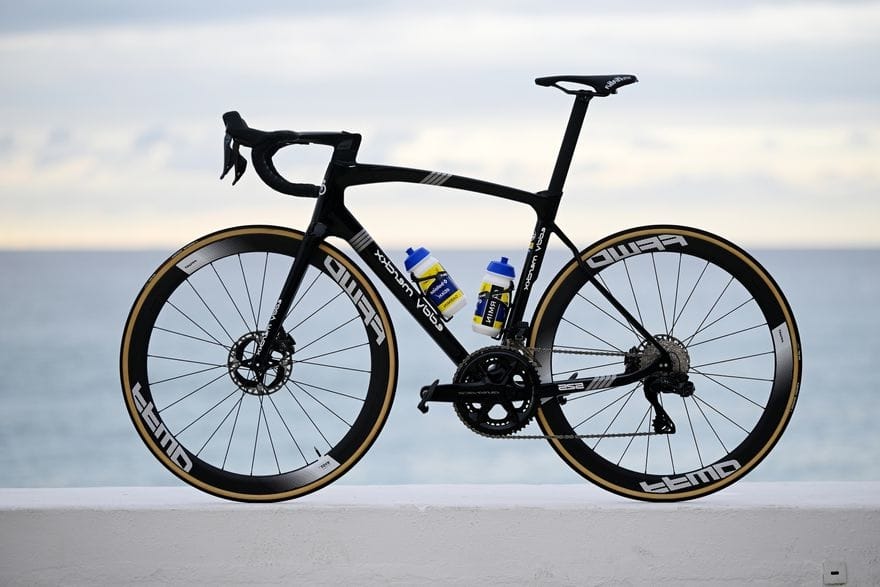 Eddy Merckx bicycle brands
He has also inspired his son Axel Merckx, a former professional rider and now a team manager. This family continuity shows the “Cannibal’s” desire to preserve the values of discipline, effort, and respect for the sport.
Through his involvement in cycling events and charitable activities, he supports the promotion of clean, formative cycling. Many young athletes still cite Merckx as a model of rigour and humility.
Place in the history of world cycling
Eddy Merckx remains a benchmark in international cycling. With 525 professional victories, including 11 Grand Tours and 3 world championship titles, he has set a rare standard. His nickname, The Cannibal, sums up his domination well.
His name is associated with the great classics such as Milan–San Remo and Liège–Bastogne–Liège, which he won multiple times. These successes have forged a legend in the collective memory of world sport.
Museums, commemorative races, and documentaries continue to celebrate his influence. In Belgium, he embodies a national symbol — almost a cultural icon who has strengthened collective pride.
Conclusion on Eddy Merckx’s Fortune
Eddy Merckx’s fortune shows that he not only dominated the peloton — he also mastered life after sport. With an estimated net worth of 15.5 million euros, built on his victories, his bicycle brand, and well-chosen investments, the Cannibal has managed to convert his years of suffering on the bike into lasting, structured wealth.
Far from excess, his lifestyle remains true to his image: discreet, demanding, attached to quality rather than glitter. Between sporting heritage, brand capital, and financial investments, Eddy Merckx remains a model of a champion who knew how to transform his palmares into a true economic legacy, without ever losing the public’s respect or the value of his name.
Frequently Asked Questions
Eddy Merckx remains a defining figure in world cycling, both for his sporting successes and his post-competition journey. His legacy includes an exceptional career, a recognised bicycle brand, and a lasting influence on several generations of riders.
What is the amount of Eddy Merckx’s fortune?
Estimates vary, but Eddy Merckx’s fortune is thought to be in the range of several million euros. It comes mainly from his career as a professional cyclist, advertising contracts, and above all his company Eddy Merckx Cycles, founded in the 1980s.
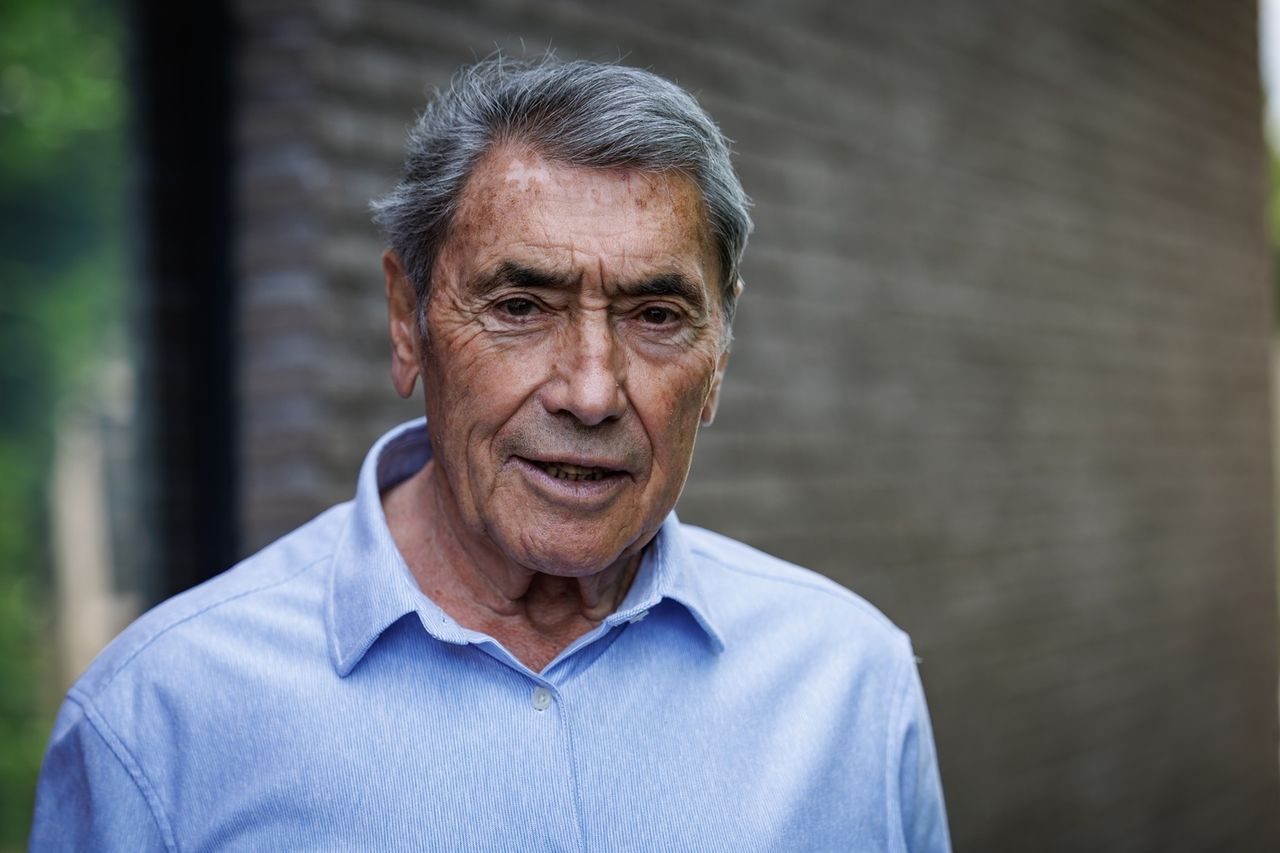 Eddy Merckx’s fortune
Even after the partial sale of the company, he retains income related to his image and his activities in the sporting world.
What is Eddy Merckx doing now?
Today, Eddy Merckx still lives in Belgium. He remains very much present in the world of cycling.
He is often seen at commemorative events. He also advises certain teams and supports sporting initiatives.
Eddy regularly appears during tributes and competitions. He almost never misses Tour de France anniversaries or the major Belgian races.
Does Eddy Merckx have any well-known descendants in cycling?
Yes, his son Axel Merckx also followed the path of professional cycling.
Axel participated in several Tours de France. After hanging up his bike, he moved into a sports director role.
He now helps young talent, especially in North America. It is fair to say he is truly passing on the family passion.
What were the impacts of an accident on Eddy Merckx’s career?
In 1969, Eddy Merckx had a serious accident during a training session in Blois, France.
He injured his back and pelvis. Even though he continued winning, he often admitted that the accident had reduced his power in the mountains.
How did his career as a professional cyclist influence Eddy Merckx’s financial situation?
His incredible career opened doors for him all over the world. He signed lucrative contracts and received substantial race prize money.
Eddy also launched his own bicycle brand, which reinforced his financial stability. His success on the bike helped him succeed in business after retirement, and he remains an indispensable figure in cycling.
What are Eddy Merckx’s main achievements in the world of cycling?
Eddy Merckx achieved 525 professional victories. This figure remains a record — nobody has yet managed to beat it.
He won 5 Tours de France and 5 Giros d’Italia. He also claimed 1 Vuelta and 3 World Championships.
Merckx won 7 Milan–San Remo titles, which remains impressive. In 1972, he set the hour record in Mexico City.
These exploits truly make him one of the most complete and respected athletes in the history of cycling.
Editorial methodology
The estimates published by Lama Fortune rely on public sources, media references, and sector comparisons. They are provided for informational purposes only and do not constitute financial advice.