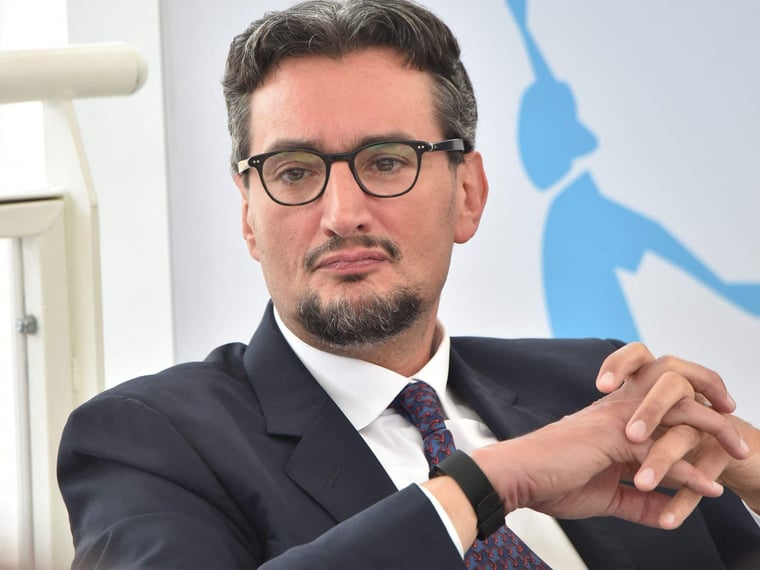
Giovanni Ferrero, Nutella and Billions: Unpacking His Colossal Fortune in 2025
Giovanni Ferrero, heir to the famous Nutella empire, did not choose Rome or Milan as his base. He chose Brussels. At the helm of the Ferrero group, he quietly steers one of the world’s most powerful family businesses from the Belgian capital.
He is today Italy’s richest man, with a fortune estimated at several tens of billions of euros.
His journey illustrates the continuity of an industrial dynasty that transformed a simple chocolate spread into a global chocolate empire. Behind his reserved profile, Giovanni Ferrero embodies a generation of Italian entrepreneurs who prefer stability and international strategy over media visibility.
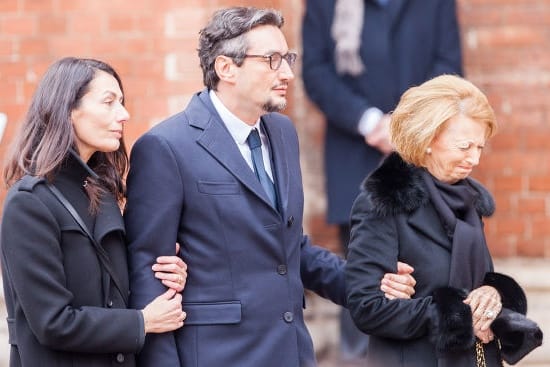 Giovanni Ferrero’s wife
This choice to live in Brussels is admittedly intriguing. It reflects a modern vision of business, where location becomes a tool for management and influence. Here we discover how a discreet man from Piedmont continues to shape the Italian economy while living at the heart of Europe.
Giovanni Ferrero: Background and Legacy
Giovanni Ferrero embodies the continuity of an Italian industrial dynasty built on confectionery. Heir to a global empire, he has preserved the family culture while adapting the Ferrero group to a globalized economy and constantly evolving tastes.
Family Origins and Childhood
Giovanni Ferrero was born on September 21, 1964 in Farigliano, Italy. He is the son of Michele Ferrero and Maria Franca Fissolo, central figures of the founding Ferrero family.
His grandfather, Pietro Ferrero, created the company in Alba after the Second World War.
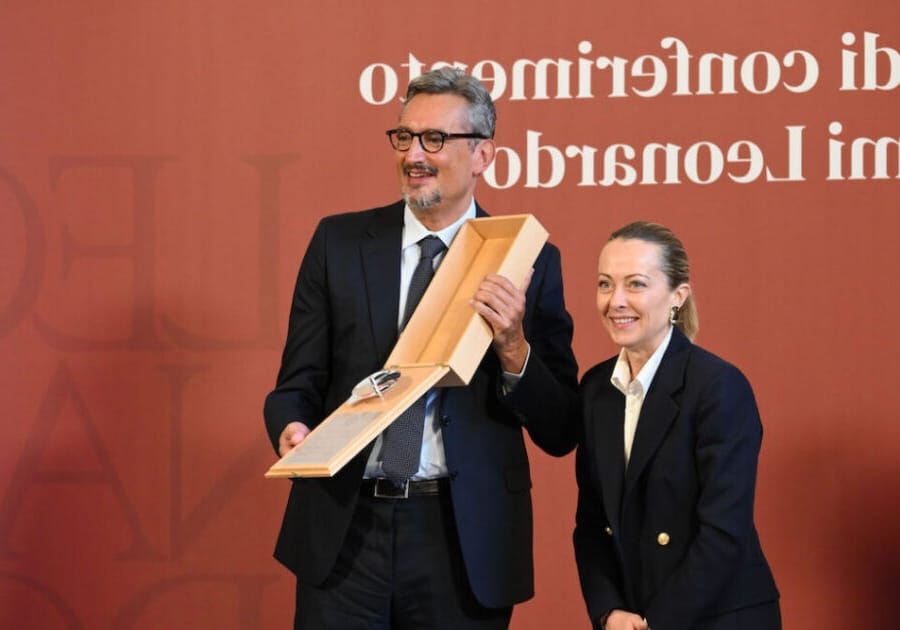 Giovanni Ferrero Italian
He grew up in an environment marked by discipline, work and discretion. After a childhood in Italy, he studied in Brussels, then in the United States, where he trained in marketing at Lebanon Valley College.
This international education gave him an open vision of trade and management. It also prepared him for his future responsibilities in a company already present on several continents.
| Key information | Details |
|---|---|
| Birth | September 21, 1964, Farigliano (Italy) |
| Parents | Michele Ferrero and Maria Franca Fissolo |
| Education | Institut Saint-Joseph, European School of Brussels, Lebanon Valley College (USA) |
Role in the Ferrero Group
Giovanni joined the family business after his studies. In 1997, he became chief executive alongside his brother Pietro Ferrero. Together, they modernized the group while preserving its iconic brands such as Nutella, Kinder, Tic Tac and Ferrero Rocher.
After Pietro’s death in 2011, Giovanni took sole charge. He placed emphasis on innovation, sustainability and international expansion. Under his leadership, Ferrero acquired several companies, strengthening its presence in the American market.
In 2017, he stepped down as chief executive to focus on long-term strategy as executive chairman. He continues to steer the group’s major directions from Brussels, where he lives.
Succession After Michele Ferrero
The passing of Michele Ferrero in 2015 marked the end of an era. Michele, known for his prudent management and commitment to quality, had transformed Ferrero into a global group while remaining discreet with the media.
Giovanni inherited not only the leadership, but also his father’s philosophy: prioritize family, stability and continuity.
He maintains the historic headquarters in Alba while developing decision-making centers abroad.
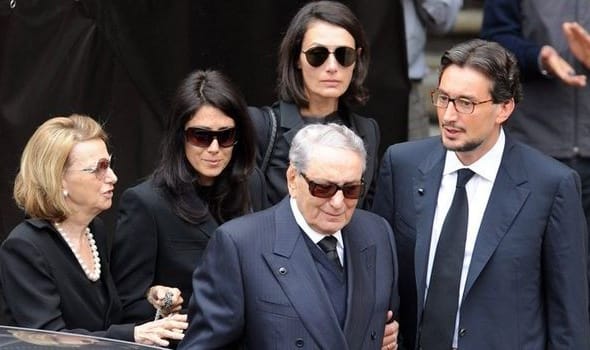 Ferrero passing
Under his chairmanship, the Ferrero group remains a family business, majority-owned by the family. This structure allows it to maintain its independence from the large food conglomerates.
Giovanni is careful to perpetuate his father’s legacy while preparing the next generation to take over.
Why Does Giovanni Ferrero Live in Brussels?
Giovanni Ferrero chose Brussels for practical but also personal reasons. The Belgian capital offers a stable environment for running a global group while remaining close to Italy, the birthplace of the Ferrero family.
Personal and Professional Motivations
Giovanni Ferrero settled in Brussels with his family after taking the helm of the Ferrero group. This city allows him to remain discreet while managing a company present in more than 170 countries.
He runs the group from Belgium, where CTH Invest, the holding company that controls several biscuit brands including Delacre, is based.
This base facilitates the coordination of the group’s European operations.
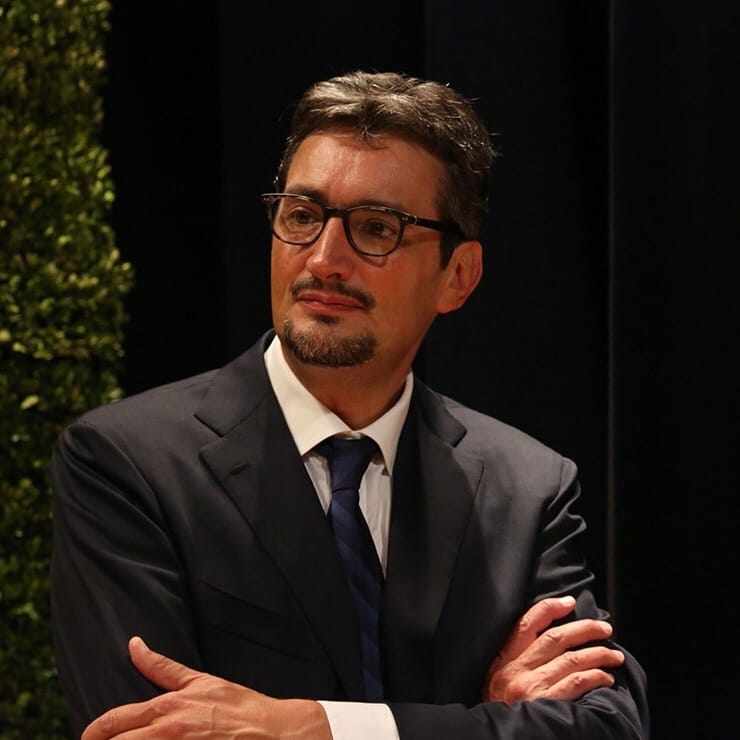 President Giovanni Ferrero
Brussels also offers geographical proximity to the main European markets. Within a few hours, he can reach the regional headquarters of his subsidiaries in Germany, France or Italy.
The city attracts a considerable number of international executives, which creates a favorable environment for business and high-level economic exchanges.
Tax and Strategic Advantages
Belgium offers a competitive tax framework for family businesses. Holdings like Ferrero’s benefit from a favorable regime on dividends and capital gains.
This allows the group’s financial structure to be optimized without compromising its stability.
Brussels is also at the heart of the European Union. This position facilitates relations with European institutions, commercial partners and regulators.
The Belgian economic environment, combined with a skilled workforce, enhances the efficiency of the group’s operations. Ferrero employs approximately 1,000 people in Belgium, notably at the Arlon factory.
This factory produces Kinder Schoko-Bons and Kinder Surprise.
This combination of tax, logistical and political advantages makes Brussels a strategic choice for an industrialist of this scale.
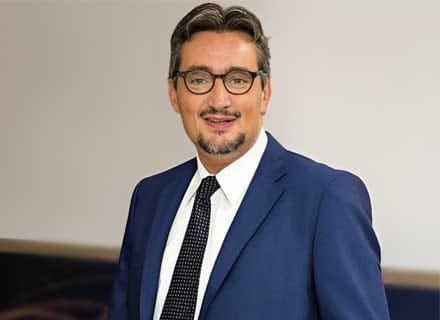 President Giovanni Ferrero, Belgian expatriate
Life as an Expatriate in Brussels
Giovanni Ferrero leads a discreet life on the outskirts of Brussels. He lives in a villa surrounded by greenery, away from the media spotlight.
The Belgian capital offers him a balance between professional and personal life. The multicultural environment and level of security suit an international family.
Brussels also hosts a significant Italian community, which facilitates his cultural integration.
International schools and local infrastructure meet the needs of a cosmopolitan family.
For a leader like Ferrero, this city combines quality of life, discretion and proximity to European economic hubs. These are essential elements for managing a global chocolate empire.
The Ferrero Group: A Chocolate Empire
The Ferrero group has established itself as one of the world’s leading confectionery manufacturers through a combination of family tradition, innovation and strategic expansion.
Its iconic brands, discreet management model and European roots have shaped a sweet empire recognized the world over.
Nutella: A Global Success Story
In the 1960s in Alba, Nutella was born. The brand became the group’s most famous. Its success rests on a simple recipe based on hazelnuts and cocoa, associated with a family-friendly and accessible image.
Ferrero has adapted Nutella to each market. In Europe, the chocolate spread is an everyday product, while in North America it is positioned as an indulgent treat. The company invests in the quality of its ingredients and sustainability. It supports, for example, programs to improve hazelnut farming in Italy and the United States.
Today, Nutella is sold in more than 160 countries. It represents a significant share of the group’s turnover.
Kinder and Ferrero Rocher: Flagship Brands
The Kinder and Ferrero Rocher brands showcase the diversity of the group’s portfolio. Kinder targets children and families with products such as Kinder Surprise and Kinder Bueno, which combine chocolate and milk.
Ferrero Rocher, launched in 1982, targets a more adult audience. Its golden presentation and balanced taste have made it a symbol of quality and refinement.
| Brand | Launch year | Positioning |
|---|---|---|
| Kinder | 1968 | Family-oriented and playful |
| Ferrero Rocher | 1982 | Premium and festive |
These two brands reinforce the reputation of the Ferrero group, which manages to combine accessibility and prestige within the same portfolio.
International Expansion Strategies
Under Giovanni Ferrero’s leadership, the group has expanded its activities well beyond chocolate. Since 2015, it has acquired several companies in the biscuit and cereal sectors, such as Thorntons, Delacre and, more recently, WK Kellogg.
These acquisitions have allowed Ferrero to increase its presence in the United States and balance its portfolio between confectionery and breakfast products.
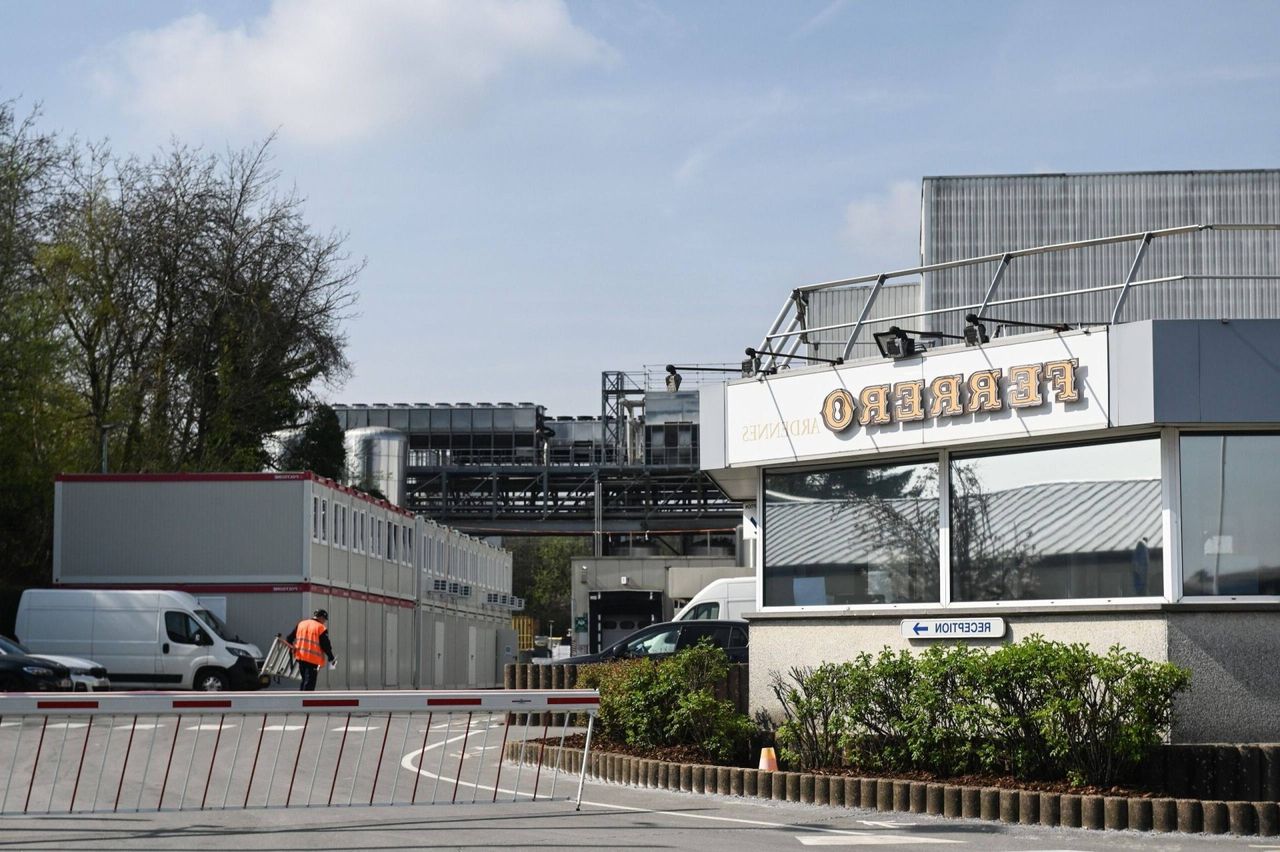 Giovanni Ferrero factory
The group now operates in more than 50 countries, with production sites in Europe, the Americas and Asia.
Its registered office is in Luxembourg. Giovanni Ferrero himself lives in Brussels, from where he oversees global strategy.
This cautious but sustained expansion demonstrates the group’s ability to grow while remaining faithful to its family values and product quality.
Italy’s Richest: A Ranking of Major Fortunes
Italy has several billionaires from varied sectors such as confectionery, fashion and pharmaceuticals. Their fortunes evolve according to global markets, acquisitions and the succession of family businesses.
Italian Billionaires According to Forbes
According to Forbes, Italy is among the European countries with the most billionaires. In 2023, the country counted between 64 and 74, with a combined fortune exceeding $200 billion.
At the top of the ranking, Giovanni Ferrero remains number one. He runs the Ferrero group and has a fortune estimated at between $38 and $43 billion, depending on the year. No surprise there — he comfortably leads ahead of other figures from fashion or finance.
Familiar names also appear, such as Giorgio Armani, Silvio Berlusconi (before his passing), and Miuccia Prada. These fortunes show how varied the Italian economy is, between large family groups and global companies.
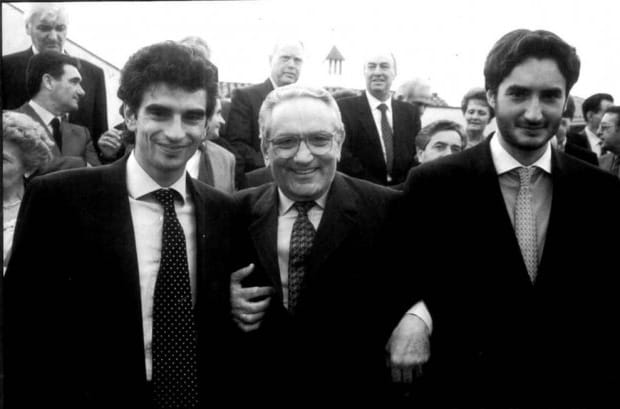 Giovanni Ferrero’s father
| Approximate rank | Name | Sector | Estimated fortune (USD) |
|---|---|---|---|
| 1 | Giovanni Ferrero | Food industry (Ferrero) | 38–43 Bn |
| 2 | Leonardo Del Vecchio (†) | Eyewear (Luxottica) | 30–35 Bn |
| 3 | Stefano Pessina | Pharmaceuticals (Walgreens Boots Alliance) | 25–30 Bn |
Comparison with Leonardo Del Vecchio and Stefano Pessina
Leonardo Del Vecchio founded Luxottica and long contested first place with Ferrero. Before his death in 2022, he had approximately $32 billion. He left his mark on the global industry with brands such as Ray-Ban and Oakley.
Stefano Pessina runs Walgreens Boots Alliance. His wealth, around $27 billion, comes from the pharmaceutical and distribution sector.
These three embody very different economic models. Ferrero dominates in food, Del Vecchio in practical fashion, and Pessina in health. One can clearly see how Italy knows how to transform family ventures into solid multinationals.
The Evolution of the Rankings in Recent Years
The Italian wealth rankings have shifted considerably in recent years. In 2020, the pandemic slowed certain sectors, but food and health held firm. Ferrero even strengthened its position by expanding internationally, notably with the acquisition of Nestlé’s American confectionery activities.
After Del Vecchio’s death, Luxottica changed hands and the hierarchy reorganized. Pessina, for his part, saw his fortune vary according to Walgreens’ stock market performance.
Since 2023, the number of Italian billionaires has grown. It went from around 52 to more than 70 in just a few years. This rise shows the resilience of the Italian economy and the value of its brands abroad.
Giovanni Ferrero’s Influence on the Italian Economy
Giovanni Ferrero steers a group that occupies a key place in the country’s prosperity. His family business, now a global giant, boosts growth, employment and innovation in a key sector of the Italian economy.
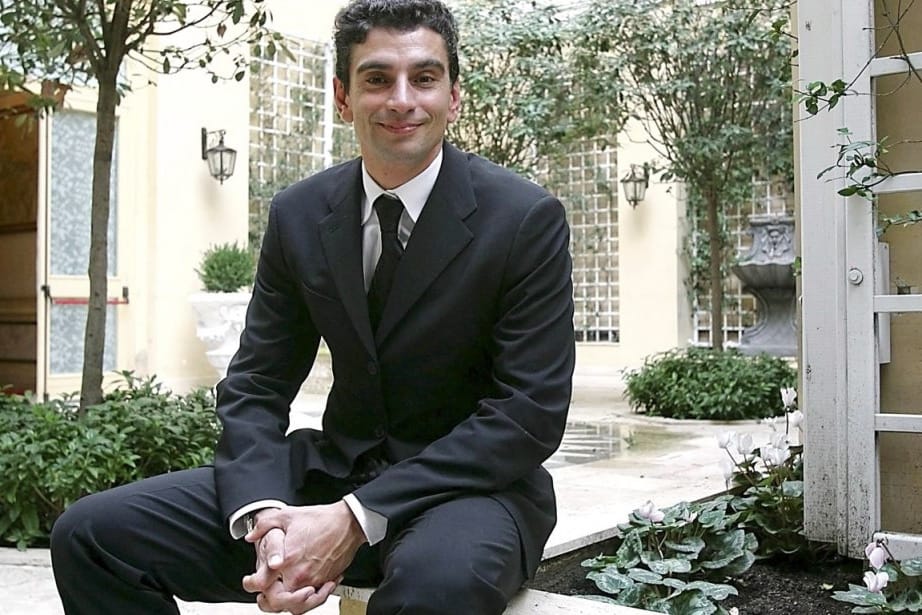 Young photo of Giovanni Ferrero
The Ferrero Group’s Weight in the Economy
The Ferrero group is among Italy’s largest employers. It employs thousands of people in Italy and abroad, with several factories in Piedmont, the birthplace of the brand.
Products such as Nutella, Kinder and Ferrero Rocher generate billions of euros every year. The export of these confectionery products to more than 170 countries boosts Italy’s trade balance.
Ferrero also supports the country’s industrial stability. By keeping its headquarters in Alba and a significant part of its supply chain in Italy, the group sustains a vast network of local suppliers, farmers and hauliers.
| Indicator | Estimate (approx.) |
|---|---|
| Direct jobs in Italy | +6,000 |
| Export markets | >170 countries |
| Share of Italian production | Approximately 40% |
Impact on the Food Industry
Under Giovanni Ferrero’s leadership, the company has modernized its production and bet on the quality and sustainability of its ingredients. This approach has pushed other Italian players to innovate as well.
Ferrero remains a model of industrial success. Its influence extends well beyond confectionery and reflects positively on Italy’s image as a quality producer in the food industry.
The company has also acquired foreign brands, such as Thorntons and Fannie May, broadening Italy’s international presence. These acquisitions have strengthened the country’s position in a highly competitive industry.
Social and Philanthropic Commitment
Giovanni Ferrero advocates a vision of responsible business. The group invests in nutrition, education and sustainable development. The Ferrero Foundation, created by the family, funds social projects in Italy and beyond.
Among the initiatives are programs for former employees, educational projects for young people, and environmental projects to reduce emissions and waste.
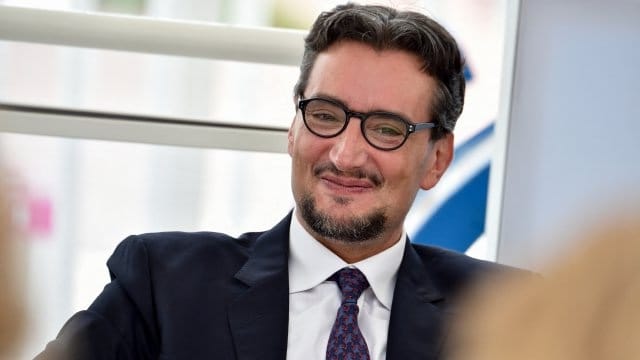 Giovanni Ferrero’s Brussels holding
By combining economic performance with social commitment, Ferrero shows that success and responsibility towards society can go hand in hand.
Other Major Italian Fortunes
Italy has several entrepreneurs who have made their mark on the global economy. Their companies touch fashion, automobiles and pharmaceuticals, while remaining rooted in Italian industrial and cultural identity.
Giorgio Armani and the Fashion Industry
Giorgio Armani founded his brand and built an empire on sobriety and quality. Born in Piacenza in 1934, he started with window display design before launching his fashion house in 1975.
His minimalist and elegant style changed Italian fashion. Armani managed to marry craftsmanship with a modern vision of luxury. His collections, from Giorgio Armani Privé to Emporio Armani, cover all segments.
The company remains independent, which is rare in this sector. In 2025, his fortune reaches several billion euros, making him one of the wealthiest designers in the world. Armani embodies Italian refinement — there is no denying that.
Piero Ferrari and Luxury Automobiles
Piero Ferrari owns approximately 10% of Ferrari S.p.A. Son of Enzo Ferrari, he was born in 1945 and has spent his life preserving the family legacy while driving the brand internationally.
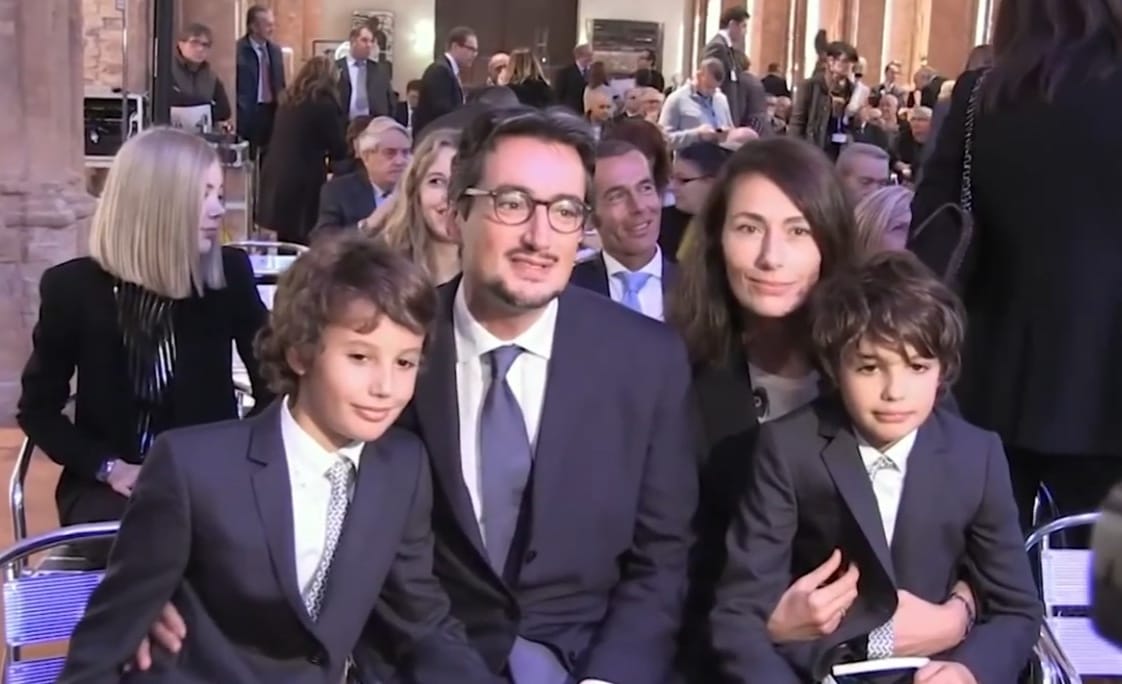 Giovanni Ferrero’s children
Ferrari is the marriage of technical precision and Italian design. Under Piero, the brand has strengthened its stock market presence and diversified into technology and research.
His wealth comes mainly from the continued appreciation of Ferrari, listed in New York. Piero Ferrari remains discreet, but he carries weight in the luxury automotive sector. He perpetuates the family dynasty, quietly.
Sergio Stevanato and the Pharmaceutical Industry
Sergio Stevanato runs the Stevanato Group, a major global manufacturer of glass packaging for the pharmaceutical industry. The company, founded in Venice in 1949, supplies vials, syringes and cartridges to international laboratories.
Under his leadership, the group has expanded across several continents. It has invested in automated production and research into sustainable medical materials.
The Stevanato Group, listed on the US stock exchange, has seen its value surge. Sergio Stevanato now has several billion euros and ranks among Italy’s most powerful industrialists. His journey shows the strength of Italian technical expertise in the service of global health.
Miuccia Prada and Patrizio Bertelli: Fashion and Design
Miuccia Prada and Patrizio Bertelli jointly run Prada S.p.A., one of the giants of Italian luxury. Miuccia, granddaughter of founder Mario Prada, transformed the family brand into a global reference in contemporary design.
Bertelli, her husband and business partner, modernized the management and expansion of the group. Together, they launched lines such as Miu Miu and invested in textile innovation and sustainability.
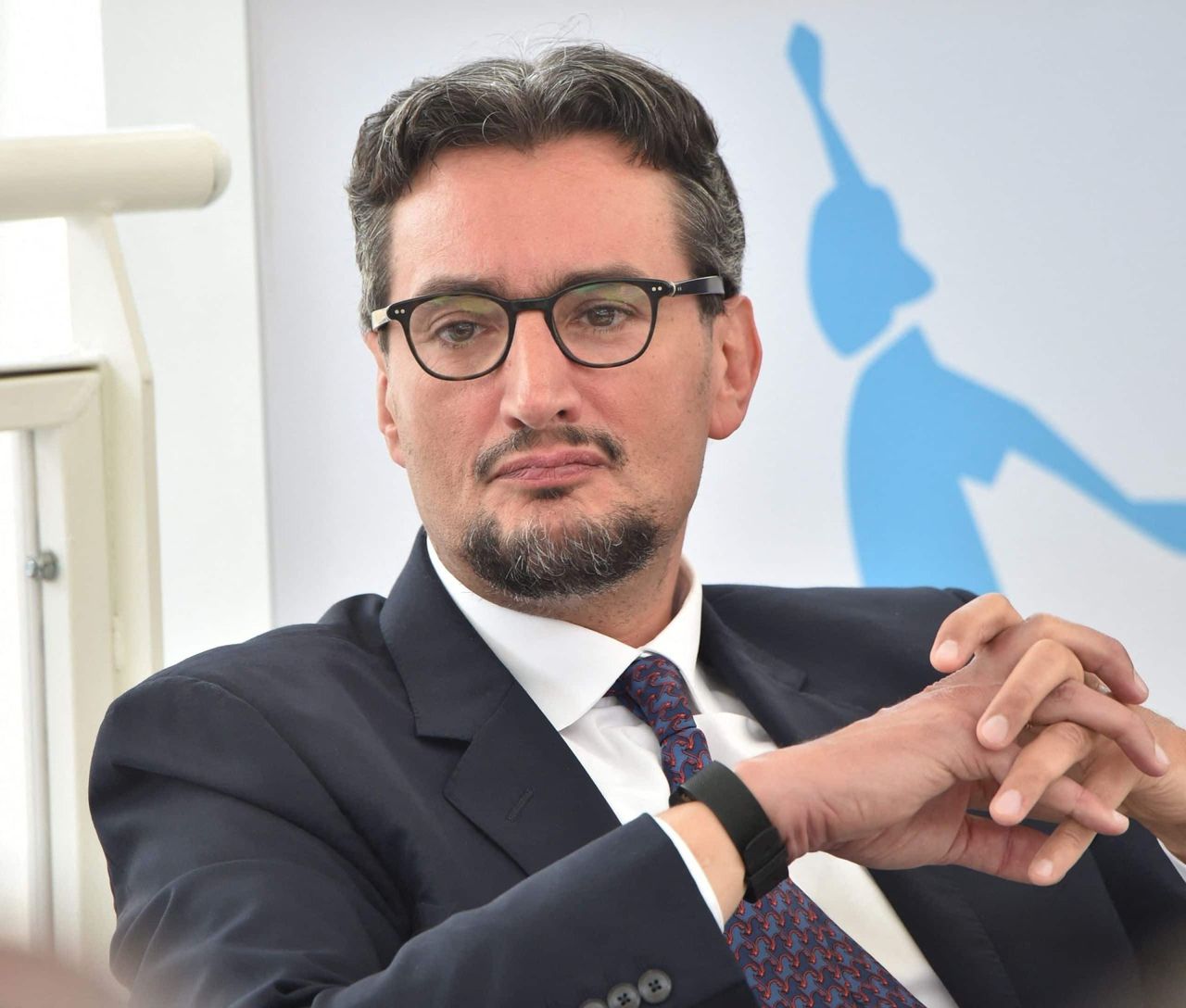 Giovanni Ferrero net worth
Their combined fortune reaches several billion euros. Prada remains a symbol of creativity, between aesthetics, functionality and business strategy. Their partnership proves that a shared vision can take a traditional house to the ranks of a global luxury giant.
Overview of Wealth in Europe and the World
The largest European fortunes are often concentrated in a few sectors: luxury, fashion, retail. These sectors produce powerful companies whose leaders are among the richest on the planet.
Comparison with Bernard Arnault and LVMH
Bernard Arnault runs LVMH, the world leader in luxury. In 2025, his fortune often exceeds $200 billion. He controls more than 75 prestigious houses, such as Louis Vuitton, Dior and Moët & Chandon.
LVMH bets on continuous expansion. The group invests in fashion, jewelry and wines. This diversity guarantees stable revenues, even when the economy becomes more complex.
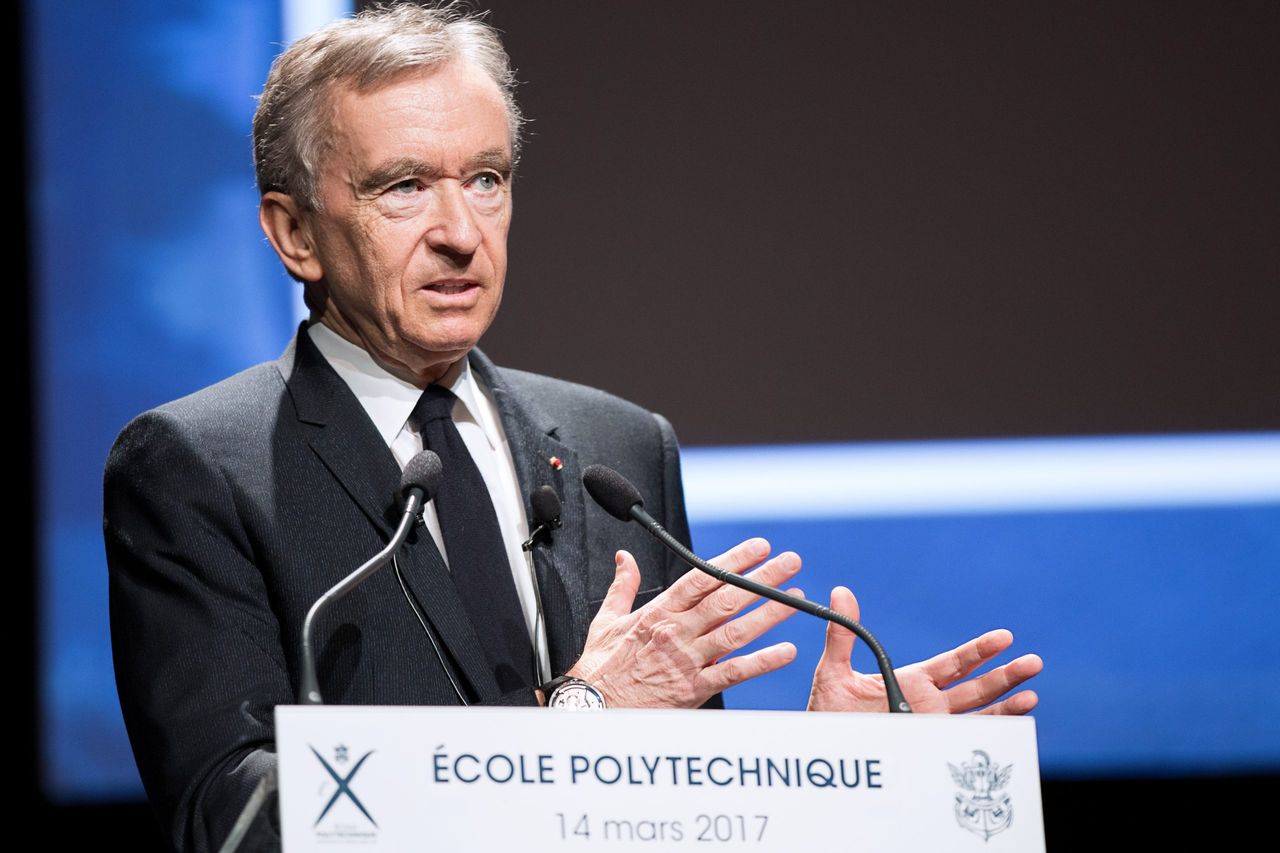 Bernard Arnault « LVMH, building a French world leader »
Compared to Ferrero, Arnault operates in a sector with very high international visibility. Ferrero, for his part, remains focused on confectionery and the food industry. We have two models here: international luxury and everyday consumption.
| Leader | Company | Sector | Estimated fortune (2025) |
|---|---|---|---|
| Bernard Arnault | LVMH | Luxury | ≈ $200 Bn |
| Giovanni Ferrero | Ferrero | Food industry | ≈ $39 Bn |
The Case of Amancio Ortega and Zara
Amancio Ortega created Inditex, the parent company of Zara. His fortune, around $90 billion, comes mainly from the fast fashion model.
Zara changes its collections at lightning speed, attracting a global clientele. Ortega prefers to manage in the shadows.
He still holds a large stake in Inditex and invests heavily in real estate. He earns income from both his shares and commercial rents in several major European cities.
Ferrero relies on cult food products, while Ortega built his empire on production speed and stock rotation. These two trajectories illustrate the diversity of European industrial success stories.
Dieter Schwarz and Retail
Dieter Schwarz owns the Schwarz Gruppe and controls Lidl and Kaufland. His fortune is around $45 to $50 billion.
He built his wealth on low-cost retail, a model based on volume and highly efficient logistics. The group operates in more than 30 countries and employs hundreds of thousands of people.
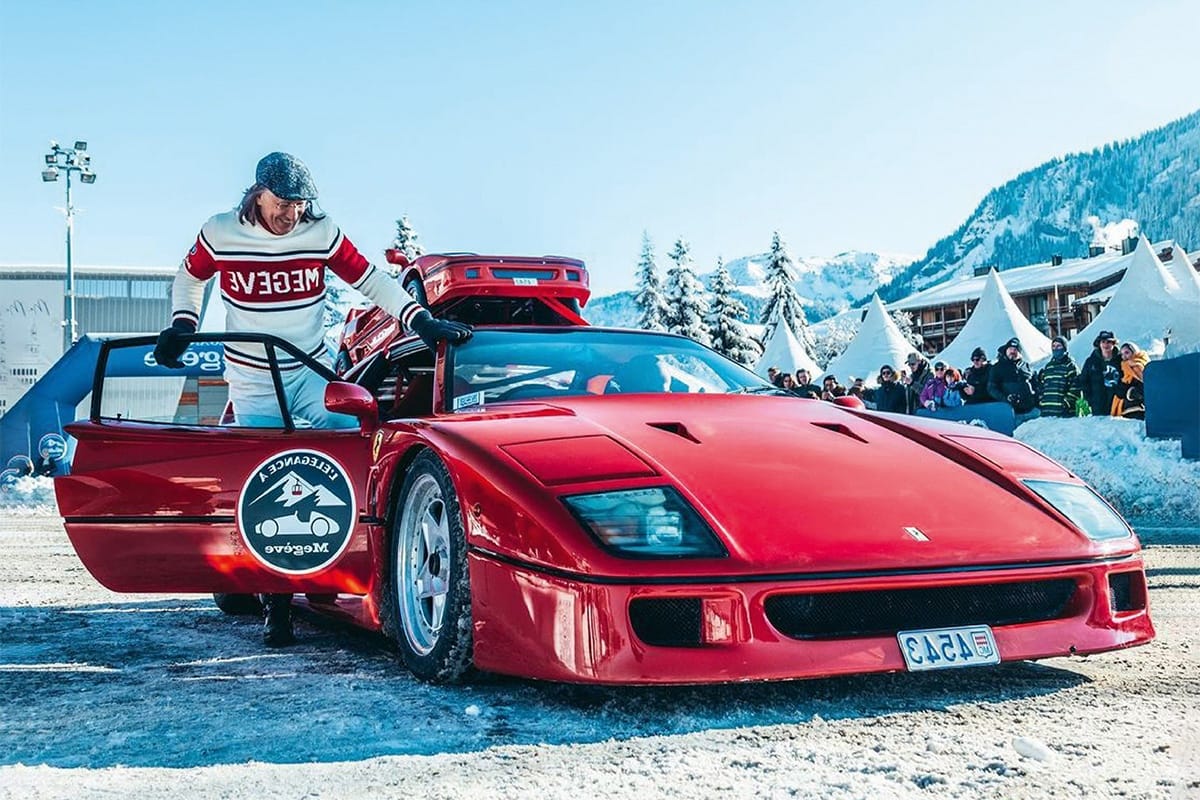 Ferrari Raul Marchisio
Lidl bets on simplicity and cuts costs to offer low prices. Schwarz remains very discreet and avoids the media.
His pragmatic approach contrasts with that of entrepreneurs like Arnault or Ortega, who are more associated with visible brands. It is clear here that European wealth can arise just as much from luxury as from mass-market consumption.
Prestigious Locations and the Lifestyle of Italy’s Wealthy
Italy’s great fortunes favor emblematic locations where history, discretion and elegance meet. Their lifestyle seeks a balance between cultural heritage, modern comfort and international investments.
Portofino, Capri and Other Luxury Destinations
Italy’s elites love Portofino, that small Ligurian harbor with its colorful houses and moored yachts. This village attracts entrepreneurs, artists and members of high society who seek tranquility and prestige.
Capri, off the coast of Naples, also remains very popular. With its villas overlooking the sea, luxury boutiques and famous restaurants, it truly embodies Mediterranean refinement.
Other places such as Rome or the Costa Smeralda in Sardinia attract diplomats, investors and creators. These spots combine natural beauty, fine cuisine and exclusivity, which reinforces their reputation in the world of Italian luxury.
Real Estate and Exceptional Properties
Italy’s wealthy invest in historic properties or contemporary residences. In Rome, renovated palaces in the city center retain their old charm while incorporating modern technologies.
In Milan and Florence, high-end apartments are often found in period buildings, with frescoes and inner courtyards. Modern villas in Tuscany or on Lake Como appeal to those seeking discretion and nature.
The most sought-after properties stand out for their location, views and heritage value. Wealthy families, such as the Ferrero family, sometimes choose residences in Northern Europe, particularly Brussels, for tax or mobility reasons.
Italian Influence Internationally
Italian entrepreneurs export their taste for design, gastronomy and the art of living. Their influence spreads from Italy to the great European capitals, where they invest in fashion, real estate and culture.
Brands such as Ferrero, Gucci and Ferrari symbolize this success. Their leaders sometimes live abroad, but always maintain a strong bond with their country of origin.
This global presence reinforces the image of Italian luxury based on quality, tradition and innovation. Rome, Milan and Turin remain at the center of this cultural influence.
Conclusion
In 2025, Giovanni Ferrero embodies, singlehandedly, the power of Europe’s great family fortunes. With a net worth estimated at several tens of billions of euros, he dominates the ranking of Italian billionaires while steering his empire from Brussels. His wealth rests on a portfolio of assets of rare solidity: Nutella, Kinder, Ferrero Rocher and a galaxy of brands that generate billions in revenue every year.
Far from the limelight, Ferrero has chosen patrimonial discretion over flashiness. He consolidates his wealth by betting on industrial continuity, targeted acquisitions and a strategic base at the heart of Europe. His capital is not merely financial: it also rests on a family legacy, an enormously powerful global brand and governance that has remained under family control.
Through him, one can see how a simple Piedmontese confectionery was transformed into a global industrial treasure. Giovanni Ferrero is not simply Italy’s richest man: he is the architect of a sweet empire whose value and influence carry enormous weight in the European economy. And all of this from a discreet villa on the outskirts of Brussels, where billions of euros of family wealth are quietly managed.
Frequently Asked Questions
Giovanni Ferrero runs one of the world’s largest confectionery groups, with brands such as Nutella, Kinder, Tic Tac and Ferrero Rocher. He now lives in Belgium, where he manages his assets and activities through an international structure.
Who is Giovanni Ferrero and what is his net worth?
Giovanni Ferrero, an Italian entrepreneur born in 1964 in Farigliano, chairs the Ferrero group founded by his family.
His fortune is estimated at approximately 30 billion euros, making him Italy’s richest man and one of Europe’s greatest billionaires.
Why did Giovanni Ferrero choose to live in Brussels?
He lives on the outskirts of Brussels, an area appreciated for its discretion and proximity to European institutions.
This choice facilitates the international management of the group, several entities of which are based in Luxembourg and Belgium.
What are the main sources of Giovanni Ferrero’s wealth?
His wealth comes mainly from Ferrero International, the group’s parent company.
Global sales of Nutella, Kinder and Ferrero Rocher generate revenues of several billion euros per year.
How does Giovanni Ferrero’s fortune influence the Italian economy?
Even though he lives in Belgium, his group remains a key player in the Italian economy.
Ferrero employs thousands of people in Italy and strongly supports the country’s exports.
Does Giovanni Ferrero have notable investments in Belgium?
Yes. He holds stakes in Schenkenberg, a holding company based in Luxembourg, which manages part of his affairs from Belgium.
His presence in the Brussels region also encourages local economic activity linked to logistics and business management.
What impact does Giovanni Ferrero have on the chocolate and confectionery market?
Since Giovanni Ferrero took the helm, Ferrero has risen to become one of the world’s leaders in chocolate.
He has managed to blend Italian tradition with genuine innovation.
Furthermore, the brand remains solidly established in more than 170 countries.