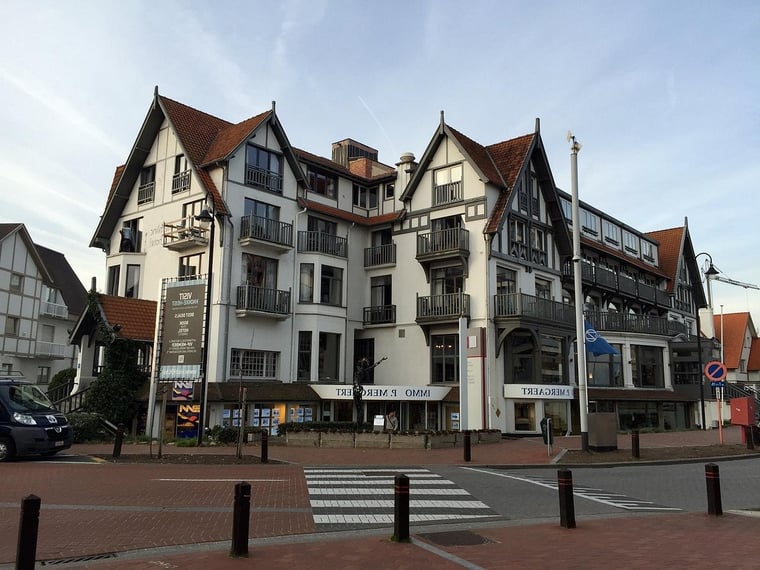
Why the Deklerck Family Turned the Page on the Memlinc: Figures, Legacy and New Projects
Amounts mentioned are estimates based on public sources and can vary depending on methodology (income, assets, debt) and update date.
The Hôtel Memlinc in Knokke long embodied the elegance and stability of a family.
Behind its sea-facing facades, the Deklerck family built a solid reputation, blending tradition with investment strategy.
Recently, they increased the hotel’s capital and announced its closure in 2025.
This decision reveals a thoughtful financial management approach, focused on the transmission and reorientation of the family’s wealth.
Over the years, the Deklerck family adapted to the evolution of the Belgian hotel market.
They chose to inject several million euros into the establishment’s capital, then planned its closure, demonstrating their desire to control the transition rather than simply endure it.
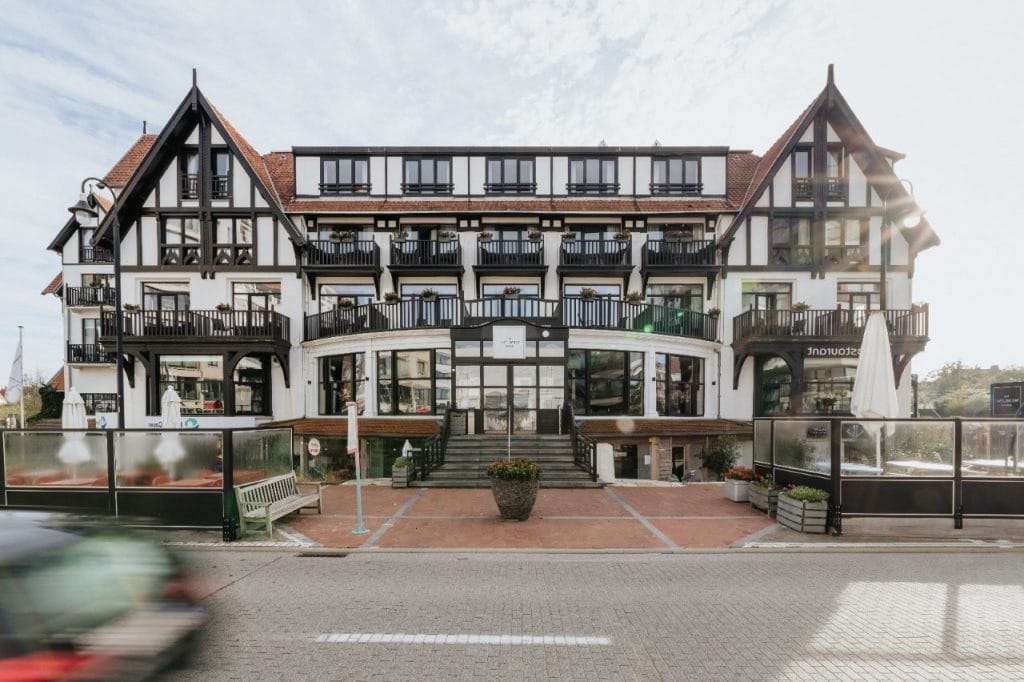 Photo of the Deklerck family hotel
One might wonder what the family is preparing for the future and how they plan to redefine their presence in Knokke.
The story of the Memlinc is not simply that of a century-old hotel.
It shows how a family balances emotional attachment with economic choices.
Through the financial secrets of the Deklerck family, one senses a discreet but coherent strategy, designed to preserve a legacy while leaving the door open to new projects.
The History of the Hôtel Memling and the Deklerck Family
The Hôtel Memling, on the Albertplein in Knokke-le-Zoute, represents more than a century of hotel history on the Belgian coast.
The Deklerck family has owned it for three generations, shaping its destiny between tradition, heritage and adaptation to modern economic realities.
Family Origins and Establishment in Knokke
The Deklerck family’s roots go back to Knokke-Heist.
The grandparents first ran a small hotel near the train station.
They quickly understood that success depended on proximity to the sea.
They therefore sold their first establishment for 200,000 Belgian francs in order to acquire a plot of land on the Albertplein, in the heart of the Zoute.
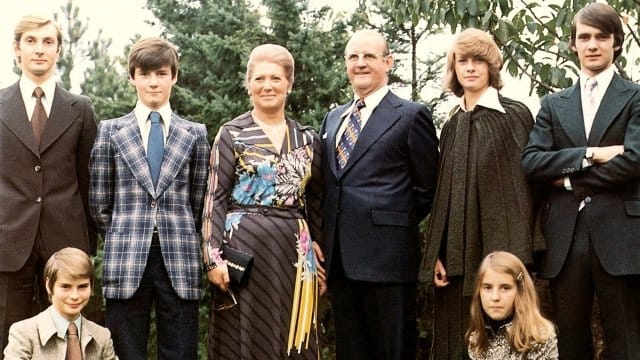 Family photo of the Deklerck family
This decision enabled the opening of the Memlinc Hotel in 1923.
The choice of this location, nicknamed “the place to be seen”, immediately attracted a wealthy clientele.
The hotel became a symbol of tourist development on the Belgian coast.
It established itself as a landmark of understated luxury in Knokke-le-Zoute.
Evolution of the Hotel Over the Generations
The Memlinc remained a family business for decades.
The Deklerck children continued their parents’ work, modernizing the facilities while preserving the historic character of the place.
Under the leadership of Christophe Deklerck, the third generation had to face new economic and technological challenges.
The hotel had 74 rooms, a renowned restaurant and a very popular terrace.
But the lack of modern amenities, such as air conditioning, and the evolution of the real estate market in Knokke led the family to reflect on the establishment’s future.
In 2025, they decided to sell the property to the G-label group, ending a long period of family management.
Landmark Moments and Historical Anecdotes
Since its opening, the Memlinc has welcomed many notable guests.
Visitors such as John D. Rockefeller, Tom Jones and Valéry Giscard d’Estaing stayed in its rooms with views of the North Sea.
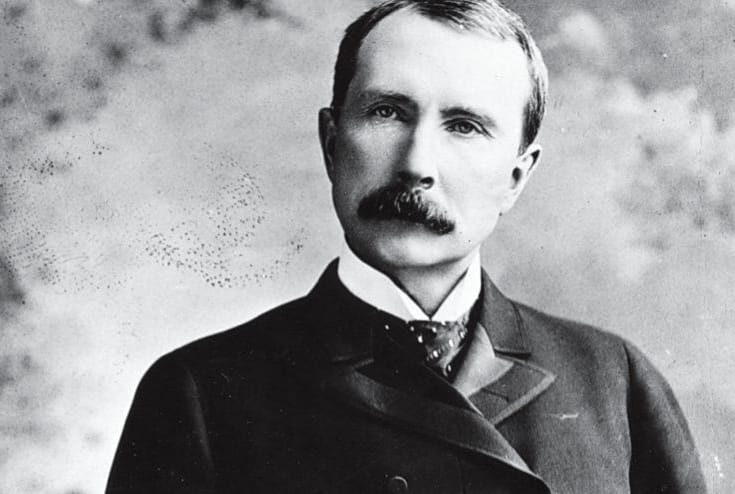 Photo of John D. Rockefeller
During the Second World War, the building served as a military hospital for German troops.
The hotel also witnessed the social evolution of Knokke-le-Zoute.
Its historic lounge and period staircase, now listed as heritage, are reminiscent of the 1930s style.
Even after its transformation into a luxury residential complex, the name Memlinc will continue to evoke an essential chapter in the hotel history of the Belgian coast.
The Financial Secrets of the Deklerck Family
The Deklerck family managed the Hôtel Memlinc in Knokke for three generations before transferring ownership to a real estate developer.
They relied on a clear family structure, strategic capitalization and a private foundation that played a central role in holding the shares.
Ownership Structure and Share Distribution
The Hôtel Memlinc had 5,145 shares at the time of its recapitalization.
The Falaucri foundation held 4,527 shares, representing the majority of the capital.
The remaining 618 shares were split equally between Christophe Deklerck and his two sisters, Fabienne and Laura.
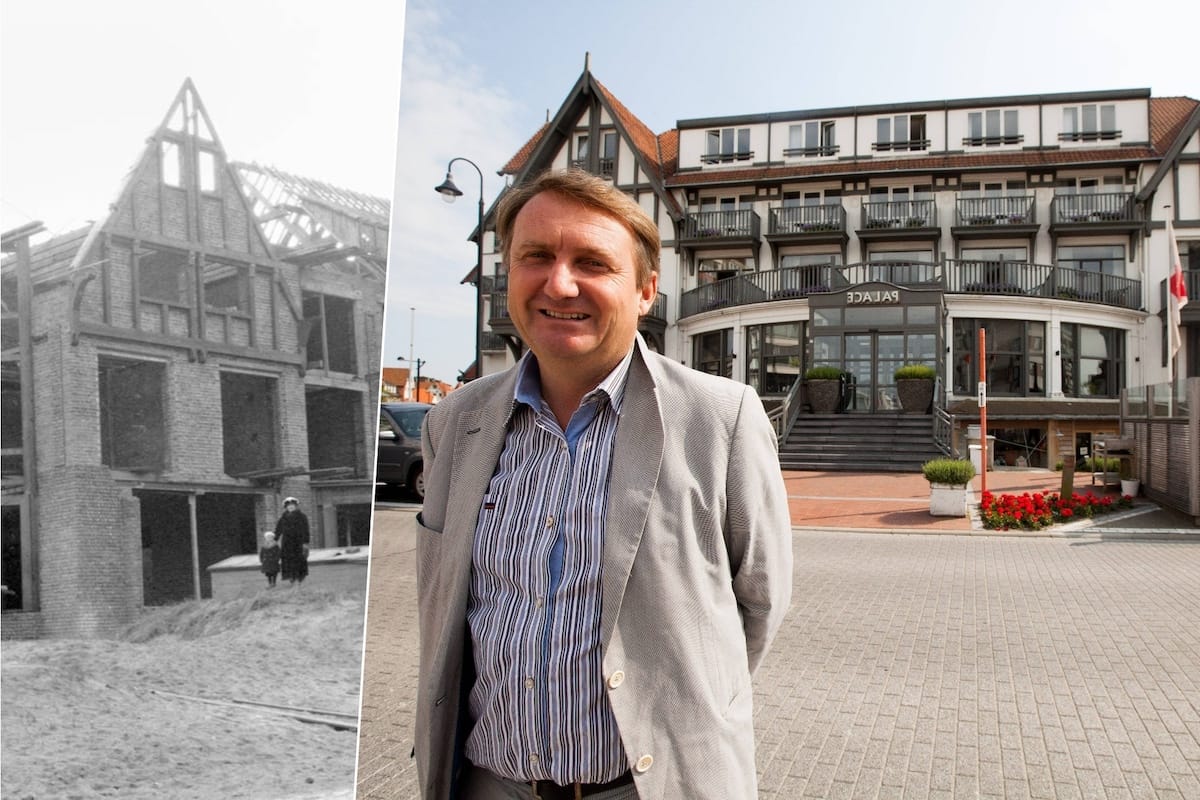 Photo of heir Christophe Deklerck
This structure gave the family total control over the hotel while encouraging collaborative management.
Each member participated in major decisions, particularly regarding the sale and transformation of the building.
The family property, passed down since 1923, remained within the circle of Deklerck descendants.
This balanced distribution demonstrated a desire to preserve the heritage while ensuring flexible governance.
Capitalization and Recent Investments
In 2025, the family increased the Memlinc’s capital by 3.65 million euros, bringing the total to 4.77 million euros.
They wanted to stabilize the financial structure before the transfer to a new owner.
This operation preceded the sale of the Memlinc to the real estate group G-label, led by the Geernaert family.
The project plans the transformation of the hotel into 17 luxury apartments, including a penthouse of 424 m² with an estimated value of 150 million euros.
Christophe Deklerck explained that maintaining the hotel would have required heavy new investments, especially to modernize the facilities.
They therefore chose to sell, for economic and family reasons, and not because of financial difficulties.
The Role of the Falaucri Foundation
The Falaucri private foundation plays a key role in managing the Deklerck family’s wealth.
Its name combines the first names Fabienne, Laura and Christophe, a symbol of family continuity.
 Family photo in front of the Memlinc
Falaucri holds the majority of the Memlinc’s shares, giving the family the main decision-making power.
This structure allows the family to centralize financial management and protect assets against the dispersal of capital.
Thanks to this structure, the Deklerck family financed the recapitalization without calling on external investors.
The foundation also facilitated the transition to the sale, ensuring an equitable distribution of profits among the heirs.
Falaucri illustrates a prudent wealth strategy, focused on stability and intergenerational transmission.
The Sale and Transformation of the Memlinc
The Hôtel Memlinc, an iconic establishment in Zoute in Knokke, changed hands after more than a century of family history.
The Deklerck family decided to transfer the hotel to a Ghent real estate developer, marking the end of an era and the beginning of a transformation project into luxury residences.
Reasons for the Sale and Family Decision-Making
The family sold the Memlinc for practical and economic reasons.
Christophe Deklerck, the last family manager, said it frankly: managing a century-old hotel required heavy investment to remain competitive.
The establishment lacked certain modern amenities, such as air conditioning, and a renovation would have cost several million euros.
The family concluded that such a financial effort was no longer justified, given their new projects.
The three Deklerck children, representatives of the third generation, had no desire to take over management.
The absence of an internal successor therefore accelerated the decision.
An offer “hard to refuse” ultimately convinced the family.
The transaction put an end to more than 100 years of family management on the famous Albertplein square.
Profile of the Buyer and the Real Estate Project
The buyer, the Geernaert family, is well known in Ghent for its activities in real estate development through the G-label group.
They plan to transform the site into a high-end residential complex.
 Photo of John Geernaert
The plans announce 17 luxury apartments, including a penthouse of 424 m².
Two dining spaces will occupy the ground floor, and an underground parking garage with more than 100 spaces will be built.
The total value of the project is approximately 150 million euros.
Sale prices could reach €30,000 per m², which would place the future Memlinc among the most expensive addresses on the Belgian coast.
Construction work will begin in September 2025.
Only the facade, the staircase and the historic lounge — all listed as heritage — will be preserved.
Impact of the Sale on the Family’s Wealth
The sale of the Memlinc changes things for the Deklerck family, which had long embodied hospitality in Knokke-le-Zoute. By stepping away, they turn the page on a tradition begun in 1923, when their grandparents ventured near the beach to attract a wealthy clientele.
Even after the sale, the family maintains a solid wealth structure thanks to the Falaucri foundation. This foundation, which bears the names Fabienne, Laura and Christophe, continues to serve as a tool for managing their other assets.
The transaction frees up funds for new projects, especially in local hospitality. But the disappearance of this iconic hotel from the Zoute landscape also illustrates the economic transformation of the resort, which is now turning toward prestige real estate rather than traditional hospitality.
Analysis of Key Figures and Valuation
The evaluation of the Memlinc real estate project in Knokke is based on concrete data. Transforming the former hotel into high-end residences highlights the strong land valuation, high prices per square meter and ancillary income from parking and commercial spaces.
Estimation of Real Estate Value
The Memlinc site sits on the Albertplein in Knokke, a genuinely rare location on the Belgian coast. Following the sale to G-label, the total value of the project is estimated at approximately 150 million euros.
This estimate is based on a planned living area of approximately 4,300 m². At an average price of €30,000/m², the residential value reaches 129 million euros.
 Logo of G-label company
Certain heritage elements, such as the facade and the grand staircase, remain protected, which preserves some of the historic prestige of the site. Renovation costs, partial demolition and new construction will also weigh on profitability.
Compared to other luxury projects in Knokke, this valuation places the Memlinc among the largest real estate operations in the region.
Details of Apartment and Penthouse Prices
The future complex will include 17 apartments, including a penthouse of 424 m². The average floor area of the other units will be around 250 m².
| Unit type | Average area | Estimated price €/m² | Estimated total price |
|---|---|---|---|
| Standard apartment | 250 m² | €30,000 | €7.5M |
| Penthouse | 424 m² | €30,000 | €12.7M |
These prices reflect the scarcity of land in Knokke and the demand for prestige residences. The target buyers are primarily Belgian and foreign investors looking for an exclusive property on the coast.
High-end finishes, sea views and central location explain these figures.
Income from Parking and Commercial Spaces
The project plans 105 underground parking spaces, each estimated at approximately €200,000. This represents a potential 21 million euros in additional income.
Two dining spaces on the ground floor will complement the revenue. These premises should attract high-end brands, which will strengthen the overall value of the complex.
The parking spaces and retail outlets offer a stable source of liquidity and make the site more attractive for residents and investors.
The Memlinc’s Legacy in the Seaside Resort
The Hôtel Memlinc left its mark on Knokke-Heist through its century-long history, its distinctive architecture and its role in the social life of the Belgian coast. Its closure in 2025 will leave a void in the hotel landscape, but its imprint remains present in the collective memory and identity of the resort.
Iconic Role in Knokke and on the Belgian Coast
Located in the heart of Knokke, the Memlinc represented far more than a simple hotel. It symbolized the beginning of seaside tourism on the Belgian coast, with that understated elegance unique to the resort. Since the early 20th century, it welcomed wealthy families, artists and business travelers.
Its location, right by the North Sea, made it a true landmark for visitors. The establishment helped forge Knokke’s image as an upscale resort, a step above De Haan or Blankenberge, with a more exclusive character.
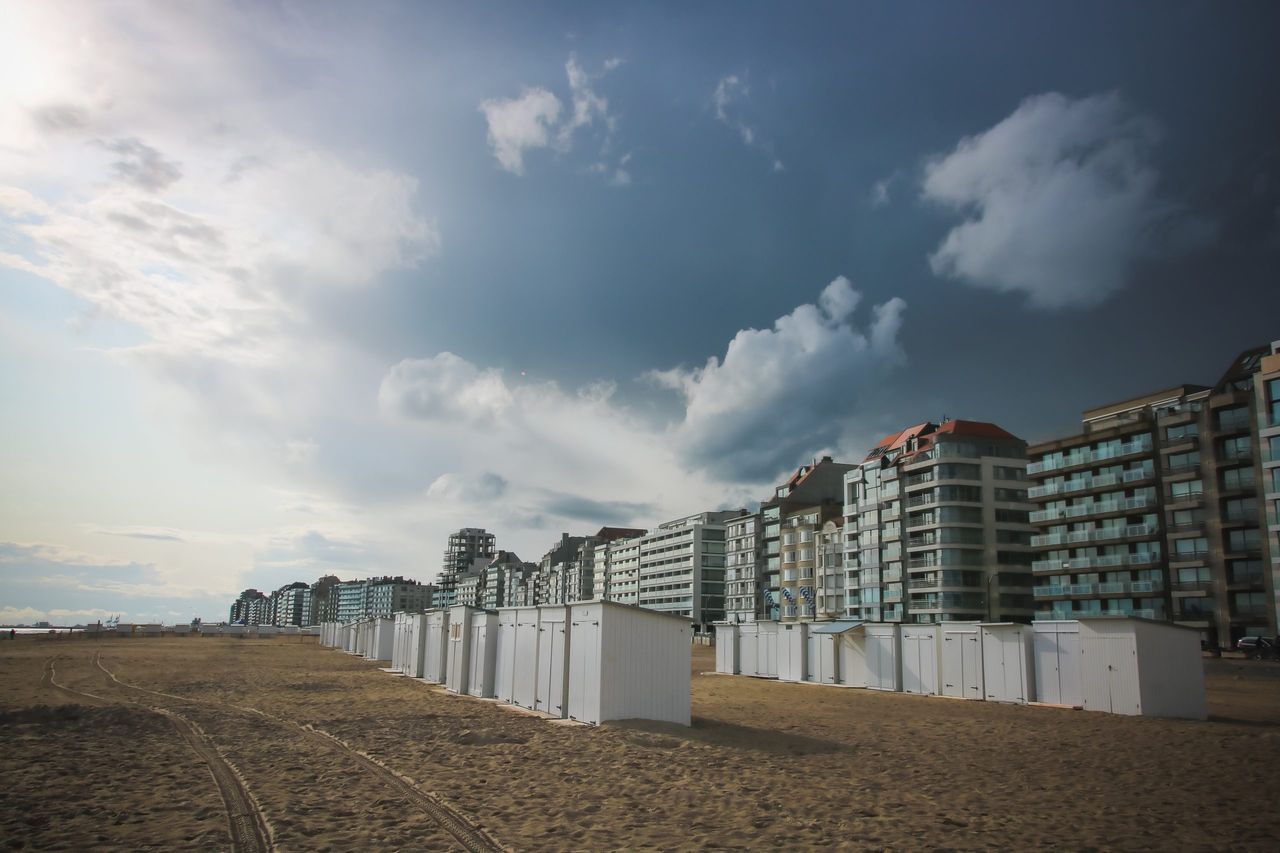
The Memlinc also had an effect on the local economy. It employed seasonal staff, supported neighboring businesses and contributed to the tourist appeal of Knokke-Heist. Its disappearance will change the hotel balance on the Belgian coast.
Heritage Protection and Listed Elements
Even though the hotel was not entirely listed, several architectural elements were subject to a heritage review. Its Anglo-Norman facade, interior woodwork and decorated lounges are reminiscent of the history of prestige tourism in Belgium.
Local authorities considered partial protection to preserve these features. This measure aims to keep the memory of the place alive, even as the building changes use.
| Element | Current status | Heritage value |
|---|---|---|
| Main facade | Under review | Evidence of the seaside style of the 1920s |
| Lobby and central staircase | Not listed | Example of Belgian hotel craftsmanship |
| Historic signage | Preserved | Symbol of Knokke’s identity |
These steps show the municipality’s desire to protect an important witness to the tourist development of the coast.
Local Reactions and Cultural Significance
The closure of the Memlinc prompted reactions in Knokke. Residents and business owners expressed their attachment to this iconic place. Many saw it as part of the collective memory of the seaside resort.
Local associations organized exhibitions and public discussions about the future of the site. Some hope for a respectful repurposing, perhaps as a museum or cultural space linked to the history of coastal tourism.
The Memlinc remains a cultural and social landmark. Even closed, its name continues to evoke the historic charm of Knokke-Heist and the hotel tradition of the Belgian coast.
The Deklerck Family’s Future After the Memlinc
After the sale of the Hôtel Memlinc, the Deklerck family is turning to new projects in Knokke and in local hospitality. Their strategy is focused on diversification and the transmission of family expertise in a rapidly evolving tourism sector.
New Family Projects and Investments
Christophe Deklerck said he wants to focus on other initiatives in Knokke, such as taking over the Golf Club House. This project shows their desire to remain active in hospitality, while adapting to more modern forms of operation.
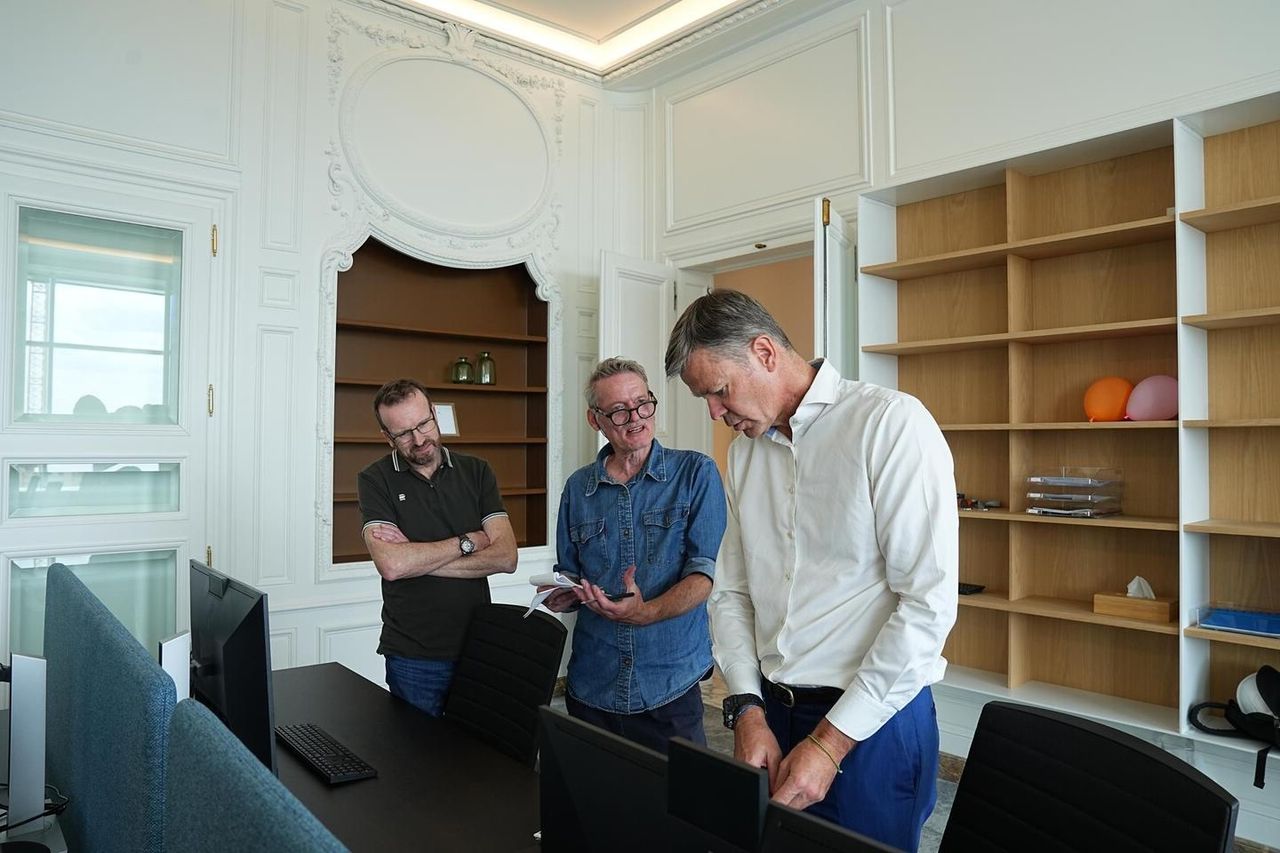 Geernaert family
The family also keeps an eye on the local real estate market. Following the sale of the Memlinc, they could invest in high-potential properties in the Zoute, a highly sought-after area of the resort. These investments aim to maintain an economic presence in the high-end segment.
Examples of investment areas:
- Development of high-end dining spaces.
- Participation in luxury real estate projects.
- Support for local initiatives related to sustainable tourism.
This approach, both cautious and ambitious, marks a thoughtful transition toward activities that are less demanding than managing a large hotel, without abandoning the family’s entrepreneurial spirit.
Involvement in the Local Hospitality Sector
The Deklerck family maintains a strong connection to the hospitality sector in Knokke. Even without the Memlinc, they continue to play a role in the local economy. Christophe Deklerck says he remains committed to the quality of the local offering and to the Zoute’s reputation as a tourist destination.
Drawing on their hospitality experience, the family can bring their expertise to other players in the sector. They could collaborate on renovation or management projects for existing establishments.
Key role:
| Field | Possible contribution |
|---|---|
| Hospitality | Management consulting and modernization |
| Dining | Creation of local culinary concepts |
| Tourism | Promotion of coastal heritage |
This involvement demonstrates their desire to support the economic and cultural vitality of Knokke.
Prospects for the New Generation
The Deklerck children form the third generation of hoteliers. Even if they are not taking over the Memlinc, they inherit genuine experience capital and a network of relationships in the sector.
Their future seems to point toward more flexible projects, combining hospitality, design and real estate management. Some may become involved in local initiatives around sustainability or tourism innovation.
The Falaucri foundation, which brings together Fabienne, Laura and Christophe, remains a key tool for coordinating family investments. Through it, the family continues to manage its wealth and support projects aligned with its values.
This generation wants to preserve the Deklerck legacy while adapting it to today’s expectations, whether in the Zoute or with an international clientele.
Timeline of Recent Events and Closure
The Hôtel Memlinc in Knokke, a century-old institution in the Zoute, is living through its final months before a major transformation. The Deklerck family, the historic owner, decided to sell the establishment after more than a century of operation. This marks the end of an era for local hospitality and the beginning of an ambitious real estate project.
Key Dates up to April 2025
The Memlinc went through several important stages before its closure. In 2023, the Deklerck family injected 4.77 million euros into the hotel through the Falaucri foundation, held by the three Deklerck children.
Immediately after this operation, they sold the building to the real estate developer G-label, owned by the Geernaert family.
In 2025, the administrative procedures resulted in the transformation of the site into a luxury residential complex. The authorities approved the building permit, which includes the preservation of the facade, staircase and historic lounge, all listed as heritage.
The permanent closure is scheduled for April 2025. At that point, the 74 rooms will welcome their last visitors.
This date symbolizes the end of a cycle for the Deklerck family, which is already looking toward new hotel projects in Knokke.
Last Guests and the End of an Era
The last guests will leave the hotel at the end of March 2025, after the final winter season. The staff, loyal for decades, will accompany the closure, promising an emotionally charged moment for many regulars of the Zoute.
Since its opening in 1923, the Memlinc has seen international personalities pass through, from John D. Rockefeller to Valéry Giscard d’Estaing. During the Second World War, it even served as a military hospital.
For the Deklerck family, this closure means the end of a family legacy passed down over three generations. Manager Christophe Deklerck, approaching retirement, confided that the necessary modernization would have required investments too heavy to remain competitive.
Beginning of the Transformation Works
The transformation works will begin on 2 September 2025. The project plans 17 luxury apartments, including a penthouse of 424 m², and approximately 105 underground parking spaces.
Two dining spaces will be developed on the ground floor.
The total cost of the project is estimated at approximately 150 million euros. The apartments are expected to sell at an average price of €30,000 per m², which places the future complex among the most prestigious in Knokke.
Several architectural elements of the original building will be preserved. This choice maintains a symbolic link to the Memlinc’s past, while opening a new page in the history of the Belgian coast.
Conclusion
The closure of the Memlinc does not simply tell the story of the end of an iconic hotel in Knokke — it primarily illuminates the way in which a family manages, matures and redirects its wealth. With the Deklerck family, this is not a story of bankruptcy, but of a deliberate financial trade-off: recapitalize, consolidate the value of the asset, then convert a century-old hotel into fresh capital for the future.
By injecting millions of euros before the sale, relying on the Falaucri foundation and controlling every step of the transaction, the Deklerck family protected their family fortune while maximizing the value of a unique location on the Albertplein. Where others might have suffered the wear of the building and the pressure of the market, they chose to transform a hotel landmark into a genuine prestige asset, valued at nearly 150 million euros.
The story of the Memlinc ultimately shows how a local dynasty moves from traditional hospitality to a wealth management mindset: fewer room keys, more square meters of value. The listed facade, staircase and lounge will remain as visible traces of a prosperous past, while the Deklerck family reinvests elsewhere — in new projects in Knokke, in hospitality or high-end real estate.
The Memlinc turns a page, but the Deklerck fortune continues to evolve — more liquid, more mobile, and ready to write the next chapter of its economic history on the Belgian coast.
Frequently Asked Questions
The Hôtel Memlinc, located on the Albertplein in Knokke, long remained in the Deklerck family, a hospitality dynasty active for three generations. Their management, investment decisions and the recent sale of the building to a real estate developer raise many questions about their financial choices and their future in the sector.
What is the history of the Deklerck family’s ownership of the Hôtel Memlinc?
The Deklerck family purchased the Hôtel Memlinc in the early 20th century, after selling a first establishment near the Knokke train station. Since 1923, the hotel remained in the family for more than a century.
Three generations succeeded one another before the recent sale to the Geernaert family, owner of the G-label real estate group.
How did the Deklerck family finance the purchase of the Hôtel Memlinc in Knokke?
The Deklerck grandparents sold their first hotel for 200,000 Belgian francs. They used this sum to buy a plot of land on the Albertplein from the Compagnie Het Zoute.
This strategic choice made it possible to build the Memlinc in an area whose land value rose over time.
What are the main investments of the Deklerck family outside of the Hôtel Memlinc?
The family diversified its activities in hospitality and real estate in Knokke. Christophe Deklerck, the current representative, took an interest in other local projects, such as taking over the Golf Club House.
Their private foundation, Falaucri, also manages part of the family’s capital.
Were there any controversies related to the Deklerck family’s financial methods?
No major controversy has emerged regarding their financial practices. Recent operations, such as the capital increase of 3.65 million euros by the Falaucri foundation, were carried out transparently.
The decisions appear to be motivated by family and economic reasons, not by public disputes.
How did the Hôtel Memlinc contribute to the local economy of Knokke?
For more than a century, the Memlinc attracted tourists, celebrities and events, which supported local commerce. The hotel also generated jobs in hospitality, catering and services.
Its transformation into luxury residences should continue to stimulate the real estate market and the life of the seaside resort.
Does the Deklerck family have future development plans for the Hôtel Memlinc?
No. The Deklerck family sold the property to G-label.
G-label intends to transform the site into a complex of 17 luxury apartments, with a penthouse and commercial spaces.
Today, the Deklerck family prefers to focus on other hotel projects in the Knokke region.
Editorial methodology
The estimates published by Martin Mothé rely on public sources, media references, and sector comparisons. They are provided for informational purposes only and do not constitute financial advice.