Jean-Pierre Ferland net worth: 5.3 million Canadian dollars
Lama Fortune estimates Jean-Pierre Ferland’s net worth at 5.3 million Canadian dollars. The “little king” built his career on songs that linger and choruses known across generations. Jaune, Je reviens chez nous, Une chance qu’on s’a: his name brings a whole chapter of Quebec music to mind.
Born in Montreal on June 24, 1934, the singer-songwriter died on April 27, 2024, aged 89. Discussing his net worth means looking back at his career, his catalogue and the wealth he built during his lifetime. His artistic legacy continues to travel.
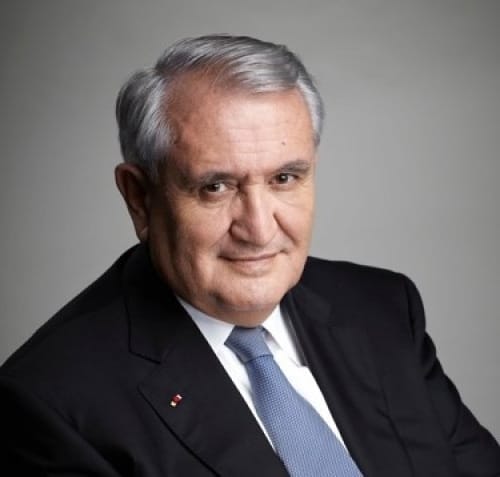
 Céline Dion and Jean-Pierre Ferland.
What wealth did Jean-Pierre Ferland build?
Lama Fortune’s estimate is 5.3 million Canadian dollars, or C$5.3 million. The currency matters: these are Canadian dollars. The figure provides a reference point for discussing the financial story of an artist whose career spanned decades.
Songs sit at the heart of that story. Ferland wrote, recorded and performed. He also worked in television and created songs for other singers. These activities explain his career, but their combined receipts are different from personal net worth. An album sale pays several people, and a concert has costs too.
| Activity | Place in his career |
|---|---|
| Writing and composition | Building a catalogue performed by several artists |
| Records | Recordings, albums and reissues |
| Live performance | Concerts and major musical gatherings |
| Television | Presenting and coaching on La Voix |
This table describes work rather than adding up amounts. The thread is simple: Ferland created a body of songs, then brought it to different audiences. One song could live on a record, on stage and in another singer’s voice.
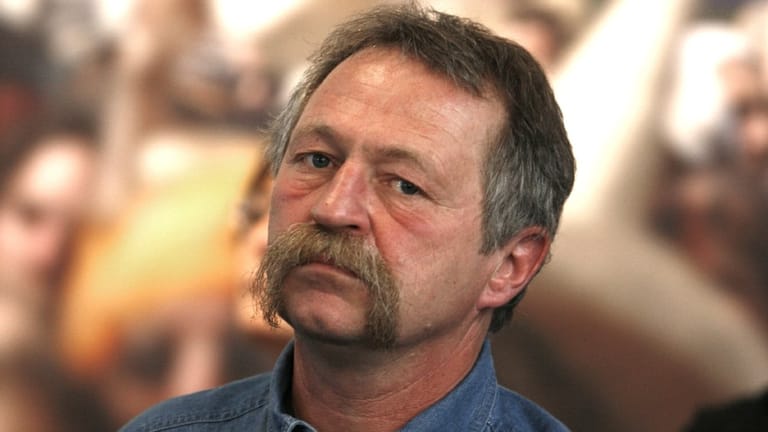
 Jean-Pierre Ferland on stage.
Income, royalties and salary: what is the difference?
For a songwriter, rights associated with songs form a different activity from performance or television fees. Recordings and cover versions also give a work several lives. That is why the catalogue matters in Ferland’s story.
His work cannot be reduced to a monthly salary. An album has a different schedule from a tour or a television show. The C$5.3 million figure here describes estimated wealth, rather than annual income or an amount to be divided among his family.
From Montreal to Jaune: the milestones of a major career
The beginnings and the Bozos
In the 1950s, Ferland worked at Radio-Canada before turning fully to music. He recorded his first songs in 1958. The following year, he took part in Chez Bozo in Montreal, alongside artists including Clémence Desrochers, Claude Léveillée and André Gagnon.
Small venues gave songwriters space to perform their own lyrics. For Ferland, they were a starting point. He developed his voice and storytelling there, before the big halls and the albums that became classics.
Je reviens chez nous and the turn of 1970
Je reviens chez nous marked his career in the 1960s. But Ferland did not stick to one formula. With Jaune, released in 1970, he brought a new colour to his music. Michel Robidoux and André Perry contributed to this important chapter.
The album became a landmark of Quebec music. Le petit roi remains one of the songs most closely associated with him. In 1971, Ferland kept that momentum with Soleil. The two albums show his desire to develop his music while keeping his storyteller’s voice.

Songs that cross generations
A few titles offer a good way into his world:
- Je reviens chez nous, for the songwriter of the 1960s.
- Le petit roi, a key song from Jaune.
- Un peu plus haut, un peu plus loin, a classic of the repertoire.
- Une chance qu’on s’a, for his romantic side.
- T’es mon amour, t’es ma maîtresse, recorded with Ginette Reno.
Ferland also wrote for other voices, including Céline Dion and Ginette Reno. That matters: his work extends beyond his own records. Songs move from one performer to another and take on new colours.
Television and major musical gatherings
Ferland presented several shows, including Station soleil, in the 1980s. In 2013, he took a coach’s chair on La Voix. Television gave him another way to meet audiences and share his experience with artists.
The careers of Isabelle Boulay and Maripier Morin also show the variety of paths in Quebec entertainment. For Ferland, songs remained the starting point, even when the setting became a television studio.
In 1976, Une fois cinq brought him together with Robert Charlebois, Gilles Vigneault, Claude Léveillée and Yvon Deschamps. That gathering captures his place well: an artist who could bring his own voice to a shared adventure.
Saint-Norbert: a life rooted in Lanaudière
Ferland lived for more than 50 years in Saint-Norbert, in Lanaudière, as Télé-Québec recalls. The village gives a concrete setting to his life away from major stages. His connection to the place also took a public form.
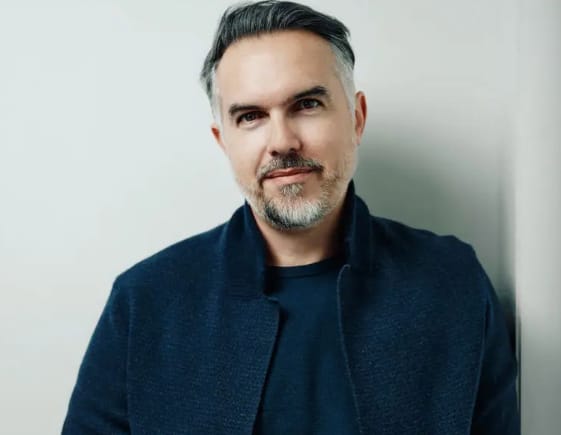
 Jean-Pierre Ferland and his connection to life away from the spotlight.
In August 2010, he organised a concert to help preserve Saint-Norbert’s church. Quebec’s Commission de toponymie recalls this commitment in its entry for the Espace culturel Jean-Pierre-Ferland. The former church now hosts performances and gatherings.
The cultural venue bears his name in recognition of his contribution to the community. It is a different place from his private home. Its purpose is local and artistic: preserving a building and keeping culture alive within it.

His partner, children and tributes
The Quebec government’s tribute published in May 2024 names his partner, Julie-Anne Saumur, and his two children, Julie and Bruno. These names give clear reference points for his family, beyond the love songs that accompanied his public life.
His state funeral took place on June 1, 2024, in Montreal. The tribute recognised the importance of his work to Quebec. It honoured a career and a place in collective memory.
Ferland was appointed an Officer of the Order of Canada in 1996. He became a Knight of the National Order of Quebec in 2003, then entered the Canadian Songwriters Hall of Fame in 2007. These honours mark a career built around songs.
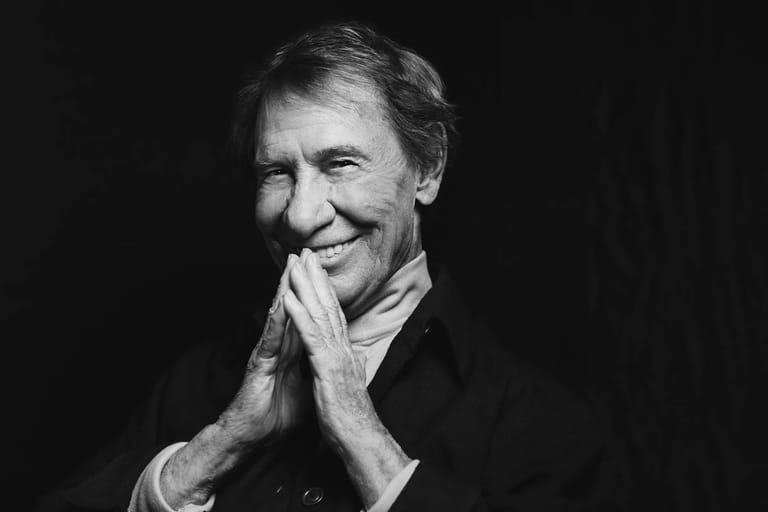
 Jean-Pierre Ferland, a major figure in Quebec music.
A legacy that can still be heard
The Canadian Songwriters Hall of Fame recalls the scale of his work: more than 450 songs and around 30 albums. The numbers describe a long creative life. They do not, by themselves, give the financial value of the catalogue.
New performances show that the music remains alive. In 2025, Pallade Musica performed Une chance qu’on s’a at Saint-Norbert’s cultural venue. Télé-Québec presents this recording, made as part of the Festival de Lanaudière’s Hors les murs series. A Ferland song finds another colour on period instruments.
The estimated 5.3 million Canadian dollars provides a reference point for his wealth. The rest can still be heard: a melody, a few words, and the “little king” returns to his place in the audience’s memory.
Key takeaways
- Lama Fortune retains an estimated net worth of 5.3 million Canadian dollars.
- Jean-Pierre Ferland died on April 27, 2024, aged 89.
- Jaune, released in 1970, and his song catalogue are central to his legacy.
Editorial methodology
The estimates published by Lama Fortune rely on public sources, media references, and sector comparisons. They are provided for informational purposes only and do not constitute financial advice.
Frequently asked questions
What was Jean-Pierre Ferland’s net worth?
Lama Fortune estimates Jean-Pierre Ferland’s net worth at 5.3 million Canadian dollars. This reference point concerns wealth rather than an annual salary.
What was Jean-Pierre Ferland’s annual income?
His career brought together writing, recordings, live performances and television. These activities followed different schedules and cannot be reduced to one annual salary.
When did Jean-Pierre Ferland die?
Jean-Pierre Ferland died on April 27, 2024, aged 89. He was born in Montreal on June 24, 1934.
Where did Jean-Pierre Ferland live?
Jean-Pierre Ferland lived for more than 50 years in Saint-Norbert, in Quebec’s Lanaudière region. The cultural venue named after him occupies the village’s former church.
Who was Jean-Pierre Ferland’s partner?
Julie-Anne Saumur was his partner. The Quebec government names her in its tribute published for the 2024 state funeral.
Who are Jean-Pierre Ferland’s children?
Jean-Pierre Ferland had two children, Julie and Bruno. Their names appear in the Quebec government’s May 2024 tribute.
Is Jaune a song or an album?
Jaune is an album released in 1970. Le petit roi is among the songs associated with it. Ferland then released Soleil in 1971.
What is known about Jean-Pierre Ferland’s estate?
Public tributes name his partner Julie-Anne Saumur and his children Julie and Bruno, without detailing the division of his estate. The 5.3 million Canadian dollar estimate does not give the amount each person received.