The Vanherpe family: discreet billionaires of the Belgian bakery world?
Amounts mentioned are estimates based on public sources and can vary depending on methodology (income, assets, debt) and update date.
For over 80 years, La Lorraine Bakery Group has been shaping the world of baking with an unwavering passion. The company was born in 1939 in Ghent, and the Vanherpe family has passed down its expertise from generation to generation.
Today, it shows how a clear vision, combined with solid family management and a touch of innovation, can transform a small flour mill into an international player in bread and pastry.
La Lorraine Bakery Group’s story does not stop at Belgium. It spans Europe, the Middle East and even the United States, where the group continues to expand its presence.
At every step, they try to marry tradition and modernity, while keeping quality at the center of their products.
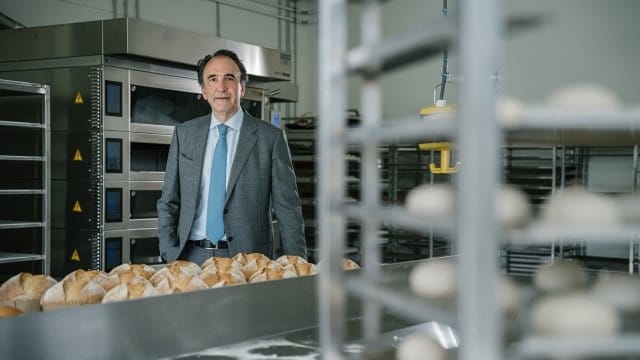 Vanherpe Family Fortune
Behind this bread empire, the Vanherpe family remains a fine example of continuity and long-term strategy.
They blend respect for their roots, international ambition and commitment to a sustainable future. Frankly, it’s a recipe that seems to grow the business without losing its artisanal soul.
Origins and family heritage of La Lorraine Bakery Group
The story of La Lorraine Bakery Group shows how a Belgian family business can evolve without ever forgetting its roots.
From the founding of the Ganda Molens flour mill in Ghent to the industrial expansion in Ninove, the Vanherpe family has built a model based on quality, innovation and intergenerational transmission.
Founded by Gerard Vanherpe
In 1939, Gerard Vanherpe founded the Ganda Molens flour mill in Ghent. The family business was born at a time when the country was seeking greater food autonomy and to promote local products.
Gerard launched the production of flour for regional bakers. He bet on an artisanal approach and strict management, laying the foundations for a sustainable business.
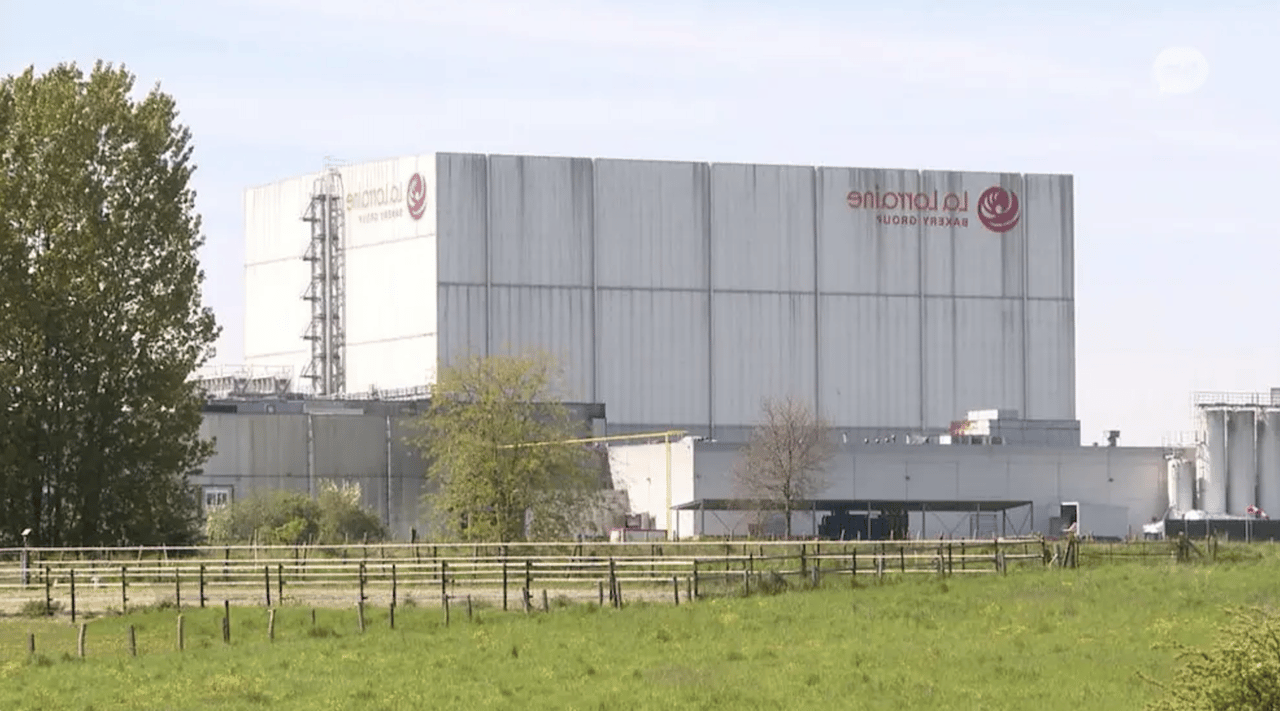 Vanherpe Family Factory
Over the years, Ganda Molens established itself in the Belgian milling sector. Bakers appreciated the consistency of quality and the company’s ability to adapt to their needs.
This first stage marked the birth of a family expertise centered on wheat processing and mastery of production.
Development in Ghent and Ninove
In the 1960s, Gerard’s sons, Erik and Johan Vanherpe, joined the venture. Their arrival launched a new phase of growth.
The family acquired the La Lorraine bakery, originally founded in Brussels and then relocated to Ninove.
This acquisition brought the flour mill and bakery under a single management. Production expanded to include bread and pastries, strengthening the group’s position in the Belgian market.
Ninove quickly became a major manufacturing hub. The company invested in modern infrastructure, paving the way for future innovations.
Thanks to this diversification, La Lorraine Bakery Group (LLBG) began transforming into a structured industrial player, without losing its family identity.
 La Lorraine Bakery Group CEO with Alexander De Croo
Family transmission and values
Management passed to the third Vanherpe generation, with Guido and Marc at the helm. They continued the group’s expansion while preserving the original spirit: rigorous work, respect for the product and commitment to employees.
Their management rests on several principles:
- Family continuity and stable governance
- Controlled innovation to follow the market
- Social responsibility toward employees and local communities
This corporate culture fosters cohesion and trust. Each generation passes on far more than a high-performing industrial tool: it passes on a vision centered on sustainability and passion for the craft.
Today, LLBG remains a solid Belgian family business, where the heritage of Ghent and Ninove continues to beat at the heart of its identity.
Growth and international expansion
La Lorraine Bakery Group (LLBG) continues its growth in Europe through regular investments in new production capacity and a considered expansion strategy.
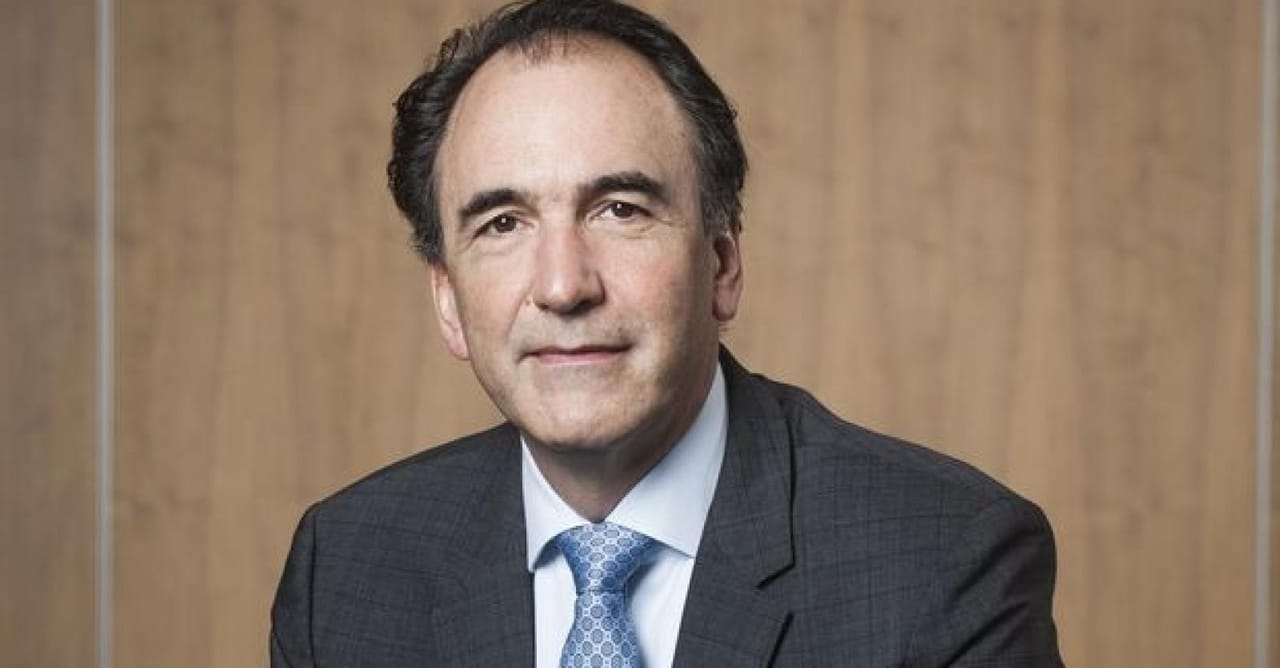 Photo of Guido Vanherpe
The company is strengthening its presence in several key markets, particularly in Belgium, Central and Eastern Europe, Germany and Turkey.
Rollout in Belgium and Europe
In Belgium, LLBG invests in modern production sites to meet growing demand for artisanal and industrial bakery products.
New automated lines increase capacity and improve quality.
The company supports its growth through an annual investment plan of approximately €200 million over five years. These investments serve to modernize infrastructure and improve energy sustainability.
In Western Europe, LLBG develops its La Lorraine, Panesco and Panos brands in retail and foodservice.
This strategy allows it to consolidate its position among the leading bakery players on the continent.
Success in the Czech Republic and Poland
In Central Europe, LLBG is making rapid progress, particularly in the Czech Republic and Poland.
These markets benefit from recent factories producing breads, pastries and savory products for regional distribution and export.
The company recorded revenue growth of 7.7% in 2025, supported by higher volumes in the bakery division.
The Czech sites play a crucial role in European logistics thanks to their strategic location.
LLBG bets on organic growth and product quality to strengthen its market share.
Local teams adapt recipes to regional tastes while maintaining group standards.
Establishment in Germany and Turkey
The expansion into Germany and Turkey shows the group’s desire to diversify its markets.
In Germany, LLBG targets distribution chains and fast food outlets with premium products.
In Turkey, new production capacity is coming online to support regional demand.
This development is part of a long-term strategy aimed at bringing production closer to consumers.
These establishments strengthen the group’s resilience against economic and logistical disruptions.
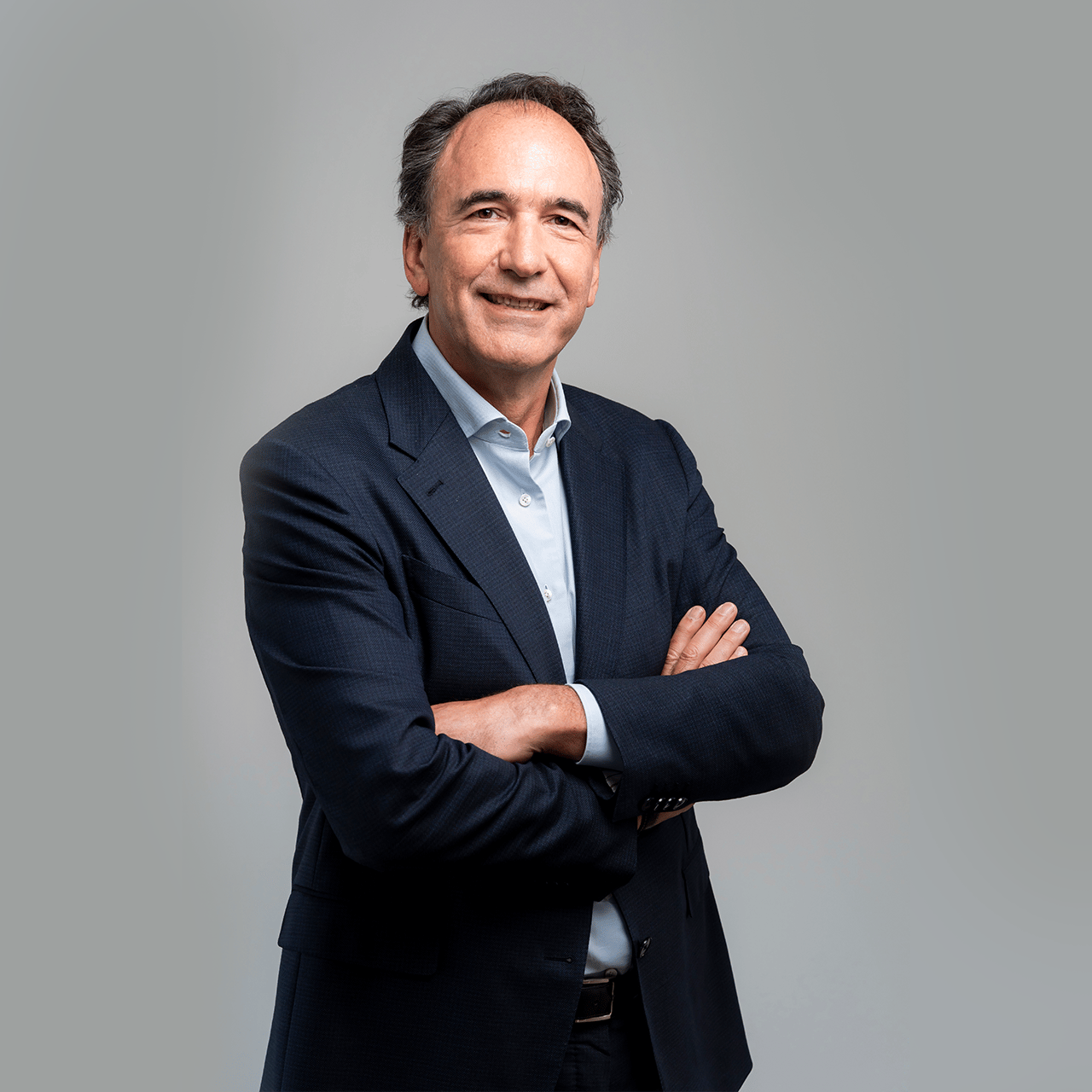 Fortune of Guido Vanherpe
They also support LLBG’s sustainability goals, including emissions reduction and energy efficiency at its factories.
Fortune of La Lorraine Bakery Group and the Vanherpe family
Revenue, profitability and cash generation
In 2025, La Lorraine Bakery Group reports:
- Revenue: €1.46 billion
- Growth: +7.7% compared to 2023
- REBITDA margin: 14.2% (i.e., an EBITDA of around €200–210M)
Based on these figures, it is reasonable to estimate that the group’s net profit is around €80 to €120 million per year, depending on the level of depreciation, interest and tax charges.
These results allow the Vanherpe family to:
- fund an annual investment program of around €150–200M,
- while strengthening equity and the overall value of the group.
Possible valuation of La Lorraine Group
Applying the classic multiples for a private, profitable and growing food player — namely 8 to 12 times EBITDA — to an estimated EBITDA of around €200M, we arrive at an approximate enterprise value of:
- €1.6 to €2.4 billion for La Lorraine Bakery Group.
From a “fortune” perspective, this clearly places the group in the category of major European private food heavyweights.
Estimated net worth of the Vanherpe family
La Lorraine Bakery Group’s capital remains massively family-owned (detailed breakdown not public, but this is a privately-held family business, controlled by the Vanherpes).
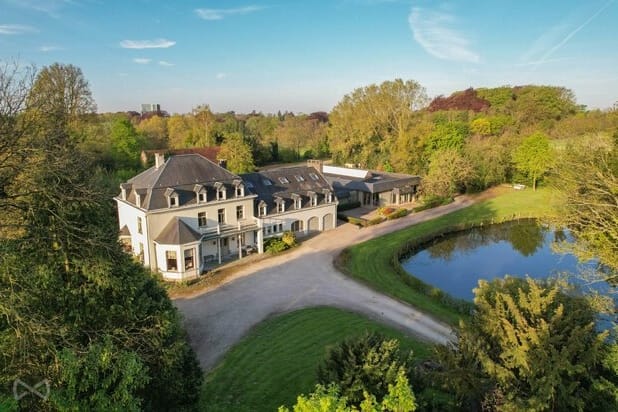 Guido Vanherpe’s home
Working from a reasonable assumption of 70 to 80% of capital held by the family, and an enterprise valuation of €1.6 to €2.4B, we arrive at a family business net worth in the order of:
- €1.1 to €1.9 billion for the Vanherpe family (in economic value of their stakes).
Again, this is an estimate,
👉 but it very clearly places the Vanherpes in the top tier of Belgian industrial family fortunes, even if they remain far more discreet than families linked to retail or luxury.
Investments, diversification and “productive wealth”
The way La Lorraine Bakery Group reinvests its money is typical of industrial families who think very long-term:
- €192M invested in 2025, in new lines, sites and logistics in Belgium, the Czech Republic and Romania.
- >€100M planned in the United States through a 50% stake in Bakery de France, to attack the North American premium frozen bread market.
Concretely, the Vanherpe fortune is not just money sitting in an account:
- It is massively invested in productive assets (factories, brands, logistics, R&D).
- It generates several tens of millions in cash per year, reinvested into the group’s growth.
- It is also diversifying geographically (Belgium, Central Europe, Turkey, Middle East, United States).
Innovations in baking and milling
La Lorraine Bakery Group bets on the continuous modernization of its processes to improve the quality, consistency and sustainability of its products.
 La Lorraine Bakery Group logo
The company combines traditional expertise, advanced automation and responsible sourcing to meet consumer and partner expectations.
Bake-off technology and par-baked products
Bake-off occupies a central place in the group’s industrial strategy. This method consists of partially baking bread or pastry before freezing it, for on-site finishing at points of sale.
This approach guarantees consistent freshness and limits waste, as only what is demanded is baked.
Par-baked products include breads, baguettes, ciabattas and pastries, made from artisanal recipes but produced at scale.
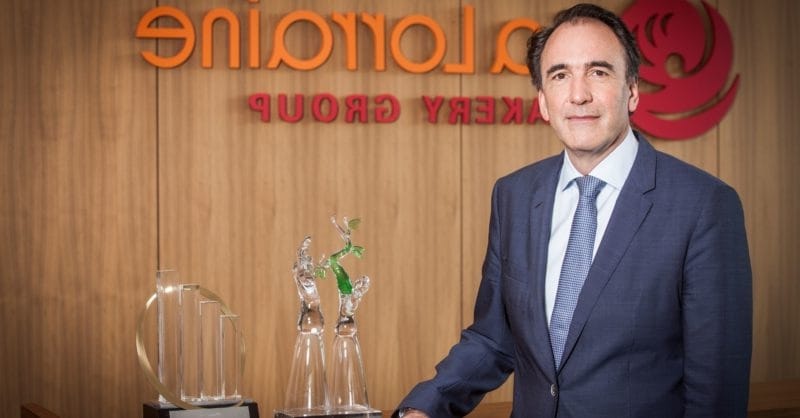 La Lorraine Bakery Group CEO
The Barchon site, recently modernized, uses automated production lines that ensure perfect uniformity while retaining an artisanal character.
Thanks to this technology, La Lorraine offers uniform quality products to its European and international partners.
Digital transformation and automation
Digital transformation occupies an essential place in La Lorraine Bakery Group’s operations management.
The company uses digital tools to monitor production, optimize logistics and improve ingredient traceability.
Technologies such as the Internet of Things (IoT) track the performance of ovens, mixers and packaging lines in real time.
This data facilitates preventive maintenance and limits production downtime.
Digitalization extends also to milling, particularly at Ganda Molens and Paniflower, the subsidiaries specializing in flour.
Automation of the mills ensures consistent quality and better energy efficiency, while reducing losses.
Sustainability and local sourcing
La Lorraine Bakery Group integrates sustainability at every stage of its value chain.
The company invests in renewable energy and encourages more environmentally friendly agricultural practices.
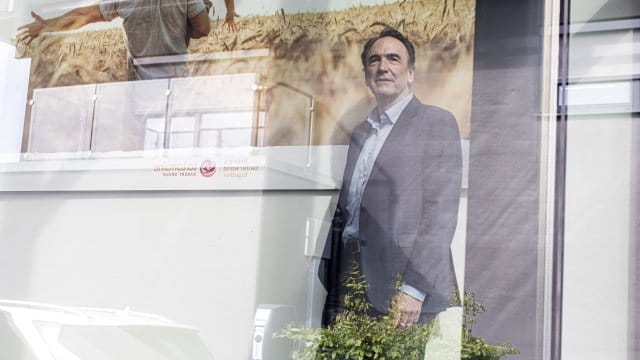 Is the Vanherpe family billionaires?
It works with local farmers to develop supply chains based on Belgian wheat from regenerative agriculture. The result: fewer transport-related emissions and greater biodiversity.
The group also emphasizes reducing the carbon footprint of its sites and valorizing organic waste.
These initiatives reinforce transparency and trust between producer, distributor and consumer.
Product range: from artisanal bread to pastries
La Lorraine Bakery Group bets on quality, consistency and mastery of baking expertise.
The company combines artisanal tradition and modern production to offer a complete range of breads, pastries and products adapted to professional markets.
Artisanal bread and baguettes
Bread remains at the heart of La Lorraine’s production. The company draws on an artisanal tradition: it selects its flours carefully, uses natural sourdough and bakes its breads on stone.
Baguettes and specialty breads stand out for a good crust and a light crumb. The team tests each recipe to maintain a consistent texture and balanced flavor. Multigrain, seed and wheat sourdough breads are among the favorites.
| Type of bread | Main characteristics |
|---|---|
| Traditional baguette | Golden crust, light crumb |
| Multigrain bread | Blend of seeds and whole grain flours |
| Sourdough bread | Slightly tangy flavor, long shelf life |
These products meet a growing demand for authentic breads, whether ready-to-bake or pre-baked according to needs.
Pastries and patisserie
Pastries and patisserie products reflect the full sweet expertise of the group. La Lorraine offers pure butter croissants, pain au chocolat, brioches and assortments of mini pastries suited to foodservice as well as retail.
Each product aims to deliver consistent layering and a melt-in-the-mouth texture. Recipes prioritize simple ingredients: good butter, fine flour, fresh yeast.
The patisserie range also includes tarts, muffins and portioned cakes. These easy-to-serve products are suitable for cafés, hotels or takeaway outlets.
 Vanherpe Family Board
Frozen and fresh bakery products
La Lorraine has developed genuine expertise in frozen products and fresh bakery products. Professionals can thus adapt their offer every day.
Frozen products arrive par-baked or ready to bake, guaranteeing consistent freshness throughout the day. This method helps limit waste and gives points of sale more flexibility.
Fresh products, delivered daily, retain all the qualities of artisanal bread. This dual offering allows the group to serve both large retailers and independent bakeries.
Products for the Horeca market
The Horeca (hotels, restaurants, cafés) market holds an important place for La Lorraine. The company offers solutions designed for quick service and consistent quality.
The ranges include par-baked breads, individual rolls, miniature pastries and portioned desserts. These products simplify stock management and on-demand service.
Professionals appreciate the consistency, ease of preparation and careful presentation. La Lorraine thus supports establishments that want to combine efficiency and authenticity in their bakery offering.
Production sites and geographical footprint
La Lorraine Bakery Group (LLBG) manages a modern industrial network spread across Belgium and several European countries. The sites blend artisanal expertise and advanced technologies to produce breads, pastries and frozen products for more than 35 markets.
La Lorraine Barchon and its investments
The Barchon site, near Liège, clearly illustrates the group’s innovation strategy. In 2025, LLBG invested approximately €20 million to install a new production line dedicated to artisanal breads, baguettes and ciabattas.
This extension took almost a year of construction work and created new jobs. Over 350 employees, nicknamed Food Heroes, already work there.
The factory uses ingredients from farmers within a 300 km radius, supporting a local supply chain. It also applies regenerative agriculture practices to reduce the carbon footprint of its cereals.
Thanks to the partial freezing technology at the Barchon site, the group exports to the United Kingdom, Germany and the Nordic countries. This strategy strengthens the group’s international presence.
Network of sites in Belgium
LLBG operates several production sites in Belgium, its home country. The most important are located in Ninove, Erpe-Mere and Ghent. These factories cover milling, fresh bakery and frozen production.
The head office in Ninove coordinates the group’s activities. It also houses a research center on baking and preservation processes.
In Erpe-Mere, an investment of more than €200 million is underway to modernize production lines and expand logistics capacity.
These Belgian sites employ several thousand people. They account for the majority of production destined for the domestic market and exports.
European deployment
Outside Belgium, LLBG has 17 to 18 sites spread across several European countries. These include facilities in the Czech Republic (site in Kladno), Poland, Romania and Hungary.
These sites allow production to be adapted to local tastes while maintaining high quality standards.
The European network also facilitates rapid distribution of fresh and frozen products to major distribution chains and foodservice operators.
This wide geographical footprint reinforces LLBG’s position as a major player in industrial baking in Central and Western Europe.
Group brands and subsidiaries
The Vanherpe family relies on several complementary entities that cover the complete bread chain, from milling to direct sales. These brands strengthen the group’s presence in the Belgian market and in many European countries.
Panos: the sandwich chain
Panos is the fast-food brand of the La Lorraine Bakery Group (LLBG). Created over forty years ago, it has established itself as a reference for quick meals.
With around 450 points of sale in Belgium, the Netherlands and Luxembourg, Panos relies on a network of solid franchises. The shops offer fresh sandwiches, pastries, hot drinks and other products sourced directly from the group’s bakeries.
The brand bets on daily freshness and proximity to consumers. It adapts its offering to local habits, while maintaining a clear identity centered on quality and simplicity. Panos plays a key role in the group’s direct sales strategy, connecting artisanal production to urban consumption.
Paniflower and milling
Paniflower represents the group’s milling branch. Located in the heart of the Benelux, it supplies flours destined both for artisanal bakeries and large food manufacturers.
The company stands out for a technological and sustainable approach. It is moving toward wheat from regenerative agriculture, seeking to reduce its environmental impact while maintaining consistent quality.
Paniflower plays an essential role in the group’s supply chain. By controlling flour production, LLBG ensures full traceability and quality stability in its breads and pastries.
This vertical integration strengthens the group’s competitiveness in the Belgian and European market.
Other brands and collaborations
In addition to Panos and Paniflower, La Lorraine Bakery Group manages several complementary divisions. The Bakery Fresh branch dominates the Belgian market for fresh bread and pastries, with seven production sites delivering daily to more than 2,300 customers.
The Bakery Frozen division exports par-baked frozen products to more than 35 countries, including Turkey, the Middle East and the United States. This activity drives the group’s international growth.
The group also works with foreign partners through joint ventures, notably to develop emerging markets. These alliances broaden the reach of its expertise and allow products to be adapted to local tastes.
Leadership, management and future vision
The group relies on stable leadership, a rigorous growth strategy and a culture of continuous innovation. This combination supports its international development and strengthens its position in the industrial bakery sector.
Role of CEO Guido Vanherpe
Guido Vanherpe, a member of the founding family (Vanherpe family), leads La Lorraine Bakery Group (LLBG) with an approach centered on continuity and modernization. He embodies the family vision while adapting the company to the demands of a rapidly evolving global market.
Under his leadership, LLBG has consolidated its governance with a board of directors balanced between family members and independents. This structure facilitates transparency and effective decision-making.
Guido Vanherpe emphasizes long-term accountability, combining profitability and sustainability. He encourages participatory management that values local skills and collaboration between divisions.
His leadership style revolves around three principles:
- Strategic clarity in objectives.
- Continuous investment in talent and technologies.
- Respect for family values in the group’s growth.
Sustainable growth strategies
La Lorraine Bakery Group bets on organic growth by relying on quality, efficiency and international expansion.
In 2025, the group achieved revenue of approximately €1.46 billion, with growth of over 7%.
The strategic plan, named LLBG Strategy, guides each unit in a common direction.
It emphasizes sustainability, profitability and digital transformation to boost performance.
Each year, the Vanherpe family invests in the modernization of its 18 production sites and in its development, notably in the United States.
In 2025, it allocates more than €100 million to this establishment.
This approach blends industrial innovation with respect for baking traditions.
It guarantees solid and sustainable growth, without losing sight of what matters most.
Commitment to innovation
Innovation remains at the heart of the LLBG strategy.
The group blends artisanal expertise and cutting-edge technology to create products that match the expectations of today’s consumers.
Digital transformation is becoming essential.
LLBG deploys digital tools to optimize production, improve logistics and ensure traceability, while facilitating communication between sites.
Research teams invent new recipes and more sustainable processes.
They seek to reduce waste and the energy footprint, which is not always straightforward.
The company encourages a culture of open innovation.
Everyone can put forward ideas, which fuels competitiveness and strengthens the group’s reputation as a responsible and forward-looking player.
Current challenges and market outlook
La Lorraine Bakery Group (LLBG) operates in a context where eating habits are changing rapidly, markets are diversifying and demand for sustainability is exploding.
The company must juggle innovation, industrial efficiency and environmental responsibility to stay competitive.
Evolution of consumer trends
Consumers today want authentic, convenient and healthy products.
Demand for artisanal bread, quality frozen products and recipes based on natural ingredients is rising in several European countries.
LLBG adapts its ranges by focusing on wheat quality, slow fermentation and format diversification.
The growth of snacking and quick meals is also boosting the sale of ready-to-bake products.
At the same time, customers are looking more closely at the origin of ingredients and nutritional values.
This shift is forcing the group to be more transparent and to communicate more about its manufacturing processes.
| Key trend | LLBG’s response |
|---|---|
| Natural products | Development of additive-free recipes |
| Time savings | Extension of ready-to-bake frozen ranges |
| Health and traceability | Clear communication on ingredients |
Adapting to the Belgian and international market
The Belgian market remains strategic for the Vanherpe family.
It is the home ground and often the innovation laboratory where the group tests its new products before launching them elsewhere.
In 2025, LLBG reached €1.46 billion in revenue, with growth of 7.7%.
This performance is supported by expansion in Western, Central and Eastern Europe, and a joint venture in the United States with Bakery de France.
The company invests heavily — around €200 million per year — to modernize its sites in Belgium, Italy, the Czech Republic and Turkey.
These investments serve to increase volumes and reduce logistics costs, while maintaining stable quality.
Impacts of digitalization and sustainability
Digital transformation has taken a central place in production and distribution management.
LLBG uses digital tools to plan, track demand in real time and improve product traceability.
The group is also betting on sustainability.
It has already reduced its scope 1 and 2 emissions by 22% since its reference year and has set a 2030 roadmap to reduce scope 3 emissions.
These efforts go hand in hand with actions to lower energy consumption and limit food waste throughout the value chain.
This approach helps the group stay competitive while meeting the growing expectations of consumers and partners.
Conclusion – La Lorraine, an empire of bread… and wealth
In 2025, La Lorraine Bakery Group is no longer just a beautiful story of a family bakery. With €1.46 billion in revenue, a REBITDA margin of over 14% and nearly €200M in annual investments, the group has clearly moved into the category of European industrial champions.
Behind these figures, the Vanherpe family has built a fortune well above one billion euros in enterprise value, while retaining control of the capital and massively reinvesting in the industrial tool. Their model rests on a simple but formidably effective idea: turning each baguette and each croissant into a lasting asset, capable of financing the next factory, the next joint venture or the next market.
The strength of La Lorraine Bakery Group and the Vanherpe family is having managed to combine baking tradition, international growth and family wealth creation. A textbook case of “Belgian-style” fortune: discreet, rooted in reality, but colossal when you look closely at the numbers.
Frequently Asked Questions (FAQ)
La Lorraine Bakery Group (LLBG) is a Belgian family business founded by the Vanherpe family.
For over eight decades, it has developed in milling, industrial baking and international distribution of quality products, while integrating modern and sustainable practices.
What is the history of La Lorraine Bakery Group’s creation by the Vanherpe family?
The story begins in 1939, when Gerard Vanherpe founded the Ganda Molens flour mill in Ghent, Belgium.
In the 1970s, his sons expanded the business by acquiring the La Lorraine bakery, creating a family group that combines milling and baking.
Today, the third generation remains at the helm of the company.
How did La Lorraine Bakery Group evolve to become a bread empire?
LLBG grew thanks to innovations such as bake-off technology in the 1980s, which allows partial baking and freezing of products.
Over time, it opened new sites in Europe and the Middle East, and acquired several local bakeries to strengthen its production.
What are the key strategies that have contributed to the success of La Lorraine Bakery Group and the Vanherpe family?
The group bet on diversification, technology and international growth.
Acquisitions, joint ventures and investments in modern factories enabled its expansion.
The Panos brand, launched in 1982, also made it possible to reach consumers directly.
What types of products does La Lorraine Bakery Group offer to its customers?
LLBG offers a wide range of breads, pastries, patisserie and sandwiches.
Its products are aimed at retailers, foodservice professionals and end consumers.
The group bets on quality, freshness and convenience.
What is La Lorraine Bakery Group’s international presence in the global market?
The company operates in more than 35 countries and has production sites in Belgium, Poland, the Czech Republic, Romania and Turkey.
It has also invested in the Middle East and North America through joint ventures such as Bakery de France.
This expansion allows it to reach a global clientele.
How does La Lorraine Bakery Group integrate sustainable development practices into its operations?
LLBG launched a strategy fully focused on sustainable development. They named it “baking a better world together”, which has a nice ring to it.
The group genuinely wants to reduce waste and optimize its energy consumption. It also bets on responsible ingredients, which is not that common in the sector.
LLBG tries to make economic growth and environmental respect go hand in hand. It’s not always straightforward, but they are making progress in that direction.
Editorial methodology
The estimates published by Lama Fortune rely on public sources, media references, and sector comparisons. They are provided for informational purposes only and do not constitute financial advice.