Countries That Drink the Most Beer: World Ranking and Great Brewing Traditions
Discover the ranking of the countries that drink the most beer per capita, the world’s great brewing traditions, Belgium’s unique place, the importance of beer in Czechia, along with the rise of craft breweries in Australia and Japan.
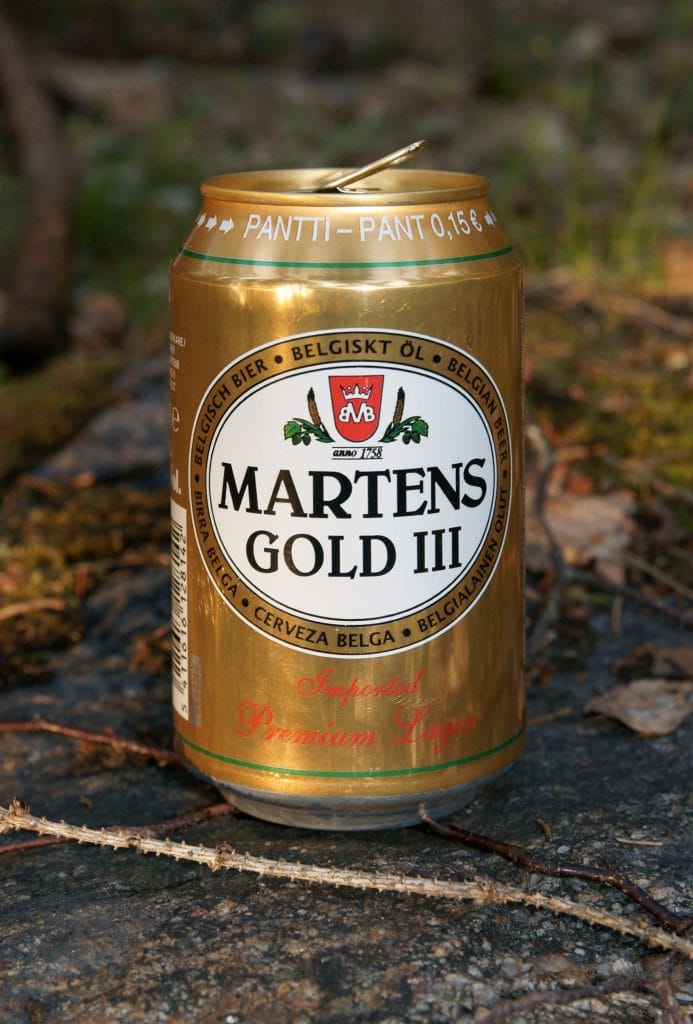 Pilsner beer
The Main Countries Drinking the Most Beer
Some countries display a truly impressive annual beer consumption per capita.
Beer permeates everyday life and shapes the identity of several nations.
| Rank | Country | Litres per capita (per year) |
|---|---|---|
| 1 | Czech Republic | 149 |
| 2 | Austria | 108 |
| 3 | Germany | 106 |
| 4 | Estonia | 102 |
| 5 | Poland | 99 |
| 6 | Ireland | 92 |
| 7 | Croatia | 86 |
| 8 | Venezuela | 86 |
| 9 | Finland | 84 |
| 10 | Romania | 83 |
The Czech Republic tops this ranking, with almost half a litre per person every day.
There, beer punctuates gatherings with friends, local cooking and hospitality.
Austria and Germany are not far behind.
Germany means Oktoberfest, Pilsner, Weizenbier… In short, a true temple of beer.
In Estonia, Poland and Croatia, people drink mainly during convivial moments spent with loved ones.
Bars and breweries there offer a fine selection of national beers.
Ireland remains inseparable from its welcoming pubs and Guinness, the mythical dark beer.
Outside Europe, Venezuela slips into the top ten, largely thanks to its warm climate where beer is more refreshing than almost anything else.
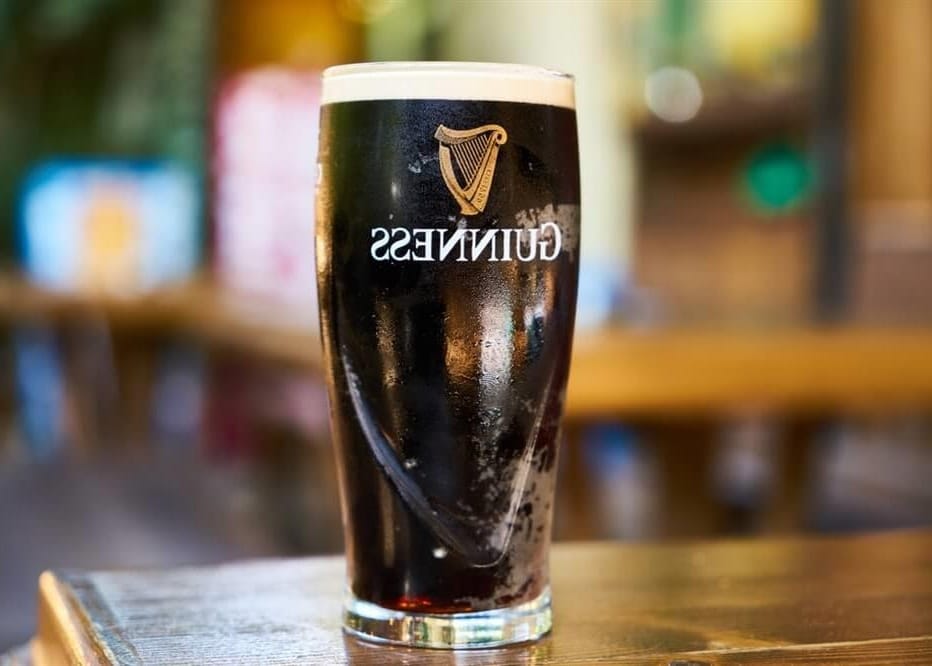 Photo of Guinness
Finland and Romania bring up the rear, but even there, beer holds its place in festive traditions.
A few habits that stand out:
- All the top-5 countries are European.
- Major events like Oktoberfest or St Patrick’s Day boost consumption.
- National beers often become a symbol of local identity.
Belgium, Expert in Character Beers
Belgium, honestly, occupies a place apart with its incredible brewing heritage.
It’s not just quantity that counts here, but the quality and reputation of its craft beers.
Belgian beer styles:
- White beer: mild, very refreshing, especially in summer.
- Abbey and Trappist beer: monk-inspired, with a rich, complex flavour.
- Blonde or brown beer: balance between malt, yeast and, sometimes, hops.
- Fruit or red beer: sweet, tangy, perfect with certain desserts.
- Saison beer: brewed at specific times of year, with a unique flavour rooted in tradition.
The diversity of beers in Belgium is simply staggering.
Every region, every town, sometimes even every village, has its own family or historic brewery.
Some breweries are over a hundred years old, and in some cases it’s still the descendants running the operation.
Belgium is also about rituals: every beer has its glass, designed to enhance its colour, head and aromas.
Beer-and-food pairings are commonplace, whether with cheese, slow-cooked dishes or even desserts.
Events and places not to miss:
- Festivals: Brussels Beer Festival, and plenty of other regional events.
- Museums: exhibitions on the history of beer.
- Breweries open for visits.
This passion has led Belgian brewing culture to be recognised as an intangible cultural heritage by UNESCO.
In Belgium, people value tradition and innovation equally, and each year new creations enrich the global scene.
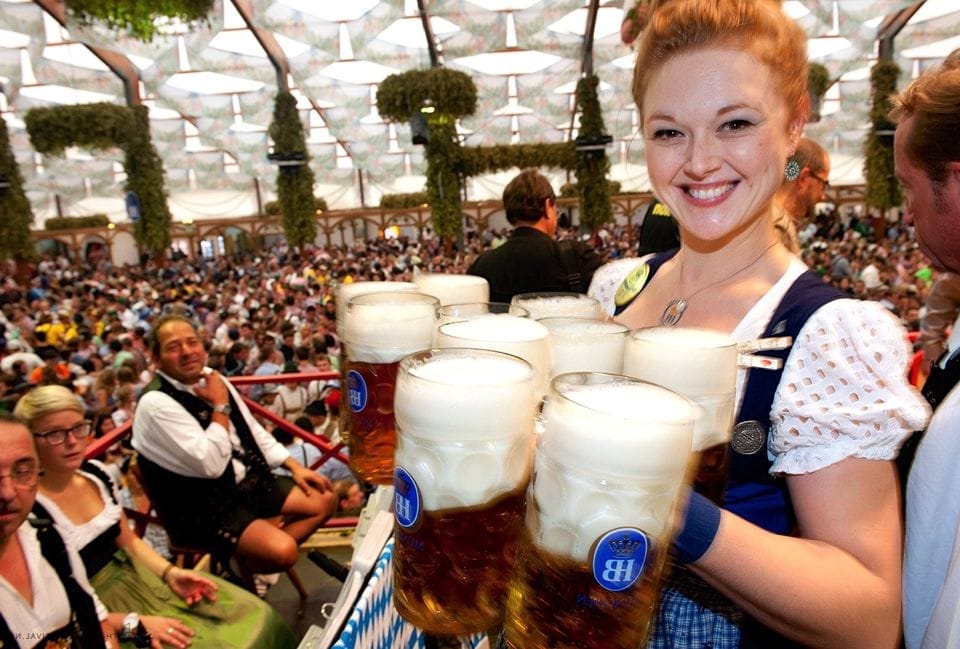 Oktoberfest
How Is Beer Made? The Main Steps
To make beer, four ingredients are used: water, malt, hops, yeast.
Each stage of the brewing process affects the taste, colour and character of the beer.
Production steps:
-
Mashing
- Barley malt is mixed with hot water.
- Heating at different temperatures extracts the sugars from the malt.
- The result is an infusion called “mash”.
-
Brewing
- The mixture is heated to around 62°C for half an hour.
- While stirring, enzymes convert starch into fermentable sugars.
- The mixture is then filtered to separate the wort from the grain residue.
-
Hopping
- Hops are added, giving bitterness and aromas.
- The hopped wort boils for 1.5 to 2 hours.
- Hops also act as a natural preservative.
-
Fermentation
- Once cooled, yeast is added.
- It converts the sugar into alcohol and carbon dioxide.
- Depending on the beer, fermentation lasts from a few days to several weeks.
-
Conditioning
- The beer is then transferred to kegs or bottles.
- Some beers undergo a secondary fermentation in the bottle, giving them a natural effervescence.
If you pass through Dublin, the Guinness museum takes you through these steps and shows the tools of yesterday and today.
Every brewery adapts the process to its own recipes, which explains the extraordinary diversity of beers around the world.
Visual summary of steps:
| Step | Main action | Purpose |
|---|---|---|
| Mashing | Sugar extraction | Preparing the wort |
| Brewing | Heating and mixing | Releasing enzymes |
| Hopping | Adding hops and boiling | Aromas, bitterness, preservation |
| Fermentation | Adding yeast, maturation | Alcohol conversion, flavours |
| Bottling | Bottling or kegging | Preservation, distribution |
Beer: Enjoy Without Excess
Beer means celebration and sharing… but it calls for a degree of caution.
Drinking too much can take a toll on the heart, liver or brain.
Health authorities advise respecting certain thresholds, which vary depending on age, gender or physical condition.
To stay sensible:
- Don’t exceed recommended amounts.
- Never drink and drive, obviously.
- Reserve beer for festive moments, and know when to say no.
In Germany, Belgium and elsewhere, responsible consumption is part of beer culture.
Breweries, bars and associations multiply awareness campaigns, especially during major events.
Younger generations are paying more attention to moderation.
Low-alcohol and even alcohol-free beers are becoming increasingly common.
Sharing a national beer remains a social occasion, but today the emphasis is on quality, tradition and the pleasure of discovery rather than quantity.
Beer retains its place in many societies, but is truly savoured when it forms part of a festive, cultural… and moderate setting.
The Importance of Beer in Czechia
Brewing History and Influence in Prague
The Czech Republic is utterly devoted to beer.
Czechs are among the world’s biggest beer drinkers, with annual consumption figures that break records.
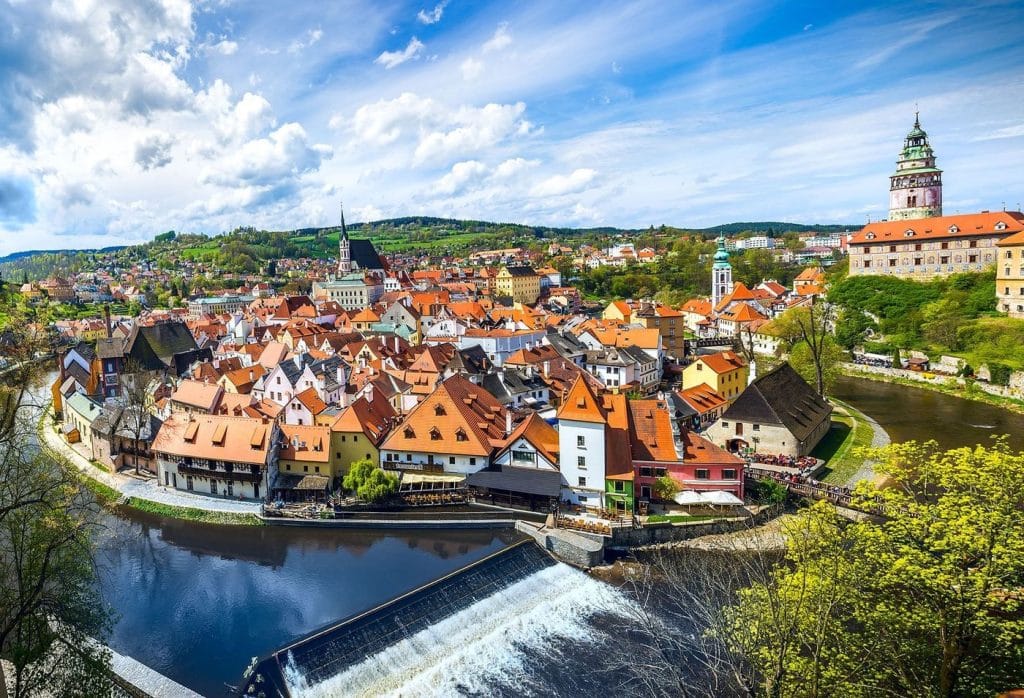 Czechia
This strong connection stems from a very ancient brewing tradition stretching back to the Middle Ages.
Many historic breweries continue to uphold this passion to this day.
In Prague, beer is everywhere.
Craft breweries, pubs, festivals: they set the rhythm of the social and cultural life of the Czechs.
Most Renowned Czech Beers
A few iconic and well-regarded brands:
| Beer name | City of origin | Main characteristic |
|---|---|---|
| Pilsner Urquell | Plzeň | The original pilsner, refreshing flavour |
| Budweiser Budvar | České Budějovice | Balanced taste, malty profile |
| Velkopopovický Kozel | Velké Popovice | Range of lagers, dark beers |
These beers illustrate the diversity and quality of Czech brewing.
Their reputation extends well beyond the country’s borders.
The Remarkable Rise of Small Australian Breweries
A Fast-Growing Sector
In Australia, the number of small breweries has been exploding in recent years.
Consumers are increasingly interested in local, quality drinks.
A few trends stand out:
- Craft breweries are multiplying at a rapid pace.
- People are seeking out original, sometimes unexpected flavours.
- Beer enthusiasts are happy to support local businesses.
Characteristics of Australian Beers
Australian breweries bet on creativity.
They often add typical local ingredients such as native fruits or local plants, resulting in truly unique beers.
Festivals like GABS invite the public to discover these novelties and meet the brewers.
| Unique element | Example in Australia |
|---|---|
| Local ingredients | Exotic fruits, indigenous herbs |
| Innovations | Original recipes |
The Evolution of Beer in Japan
Heritage and Innovation
In Japan, breweries blend local heritage with cutting-edge technology.
They create beers that respect tradition while daring to innovate.
Many craft breweries preserve historic processes while experimenting with new flavours.
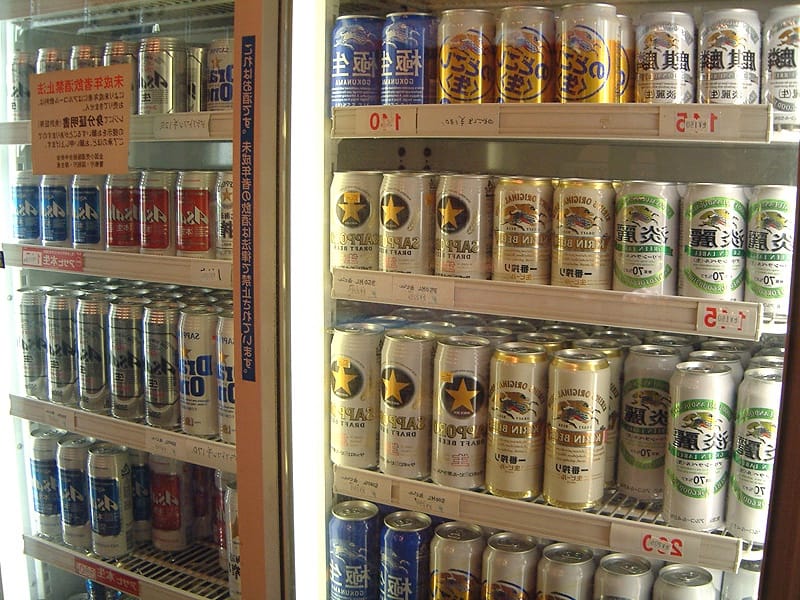 Beer in Japan
Popular Varieties in Japan
The Japanese enjoy several beer styles.
- Rice beers: Light, mild and well-paired with local cuisine.
- Beers with original aromas: Yuzu, green tea or cherry blossom are often added.
- Major brands: Sapporo, Kirin and Asahi clearly dominate sales in the country.
Tips for Accommodation in Europe
| City | Popular hotels | Available services |
|---|---|---|
| Paris | Hôtel du Centre | Wi-Fi, breakfast |
| Rome | Piazza Inn | Parking, air conditioning |
| Barcelona | Gran Via Hotel | View, restaurant |
Comparing offers really helps find a stay that matches what you’re looking for.
Conclusion: Beer, a Global Cultural Symbol with Many Faces
Beer remains one of the most popular drinks in the world today, but beer consumption varies greatly from country to country. The nations that top the ranking — such as the Czech Republic, Austria, Germany or Ireland — show just how deeply rooted beer can be in local identity, with brewing traditions that sometimes stretch back to the Middle Ages.
Other countries, such as Belgium, Australia or Japan, embody a different approach: less focused on volume, more oriented toward innovation, quality and diversity of styles, contributing to their worldwide renown.
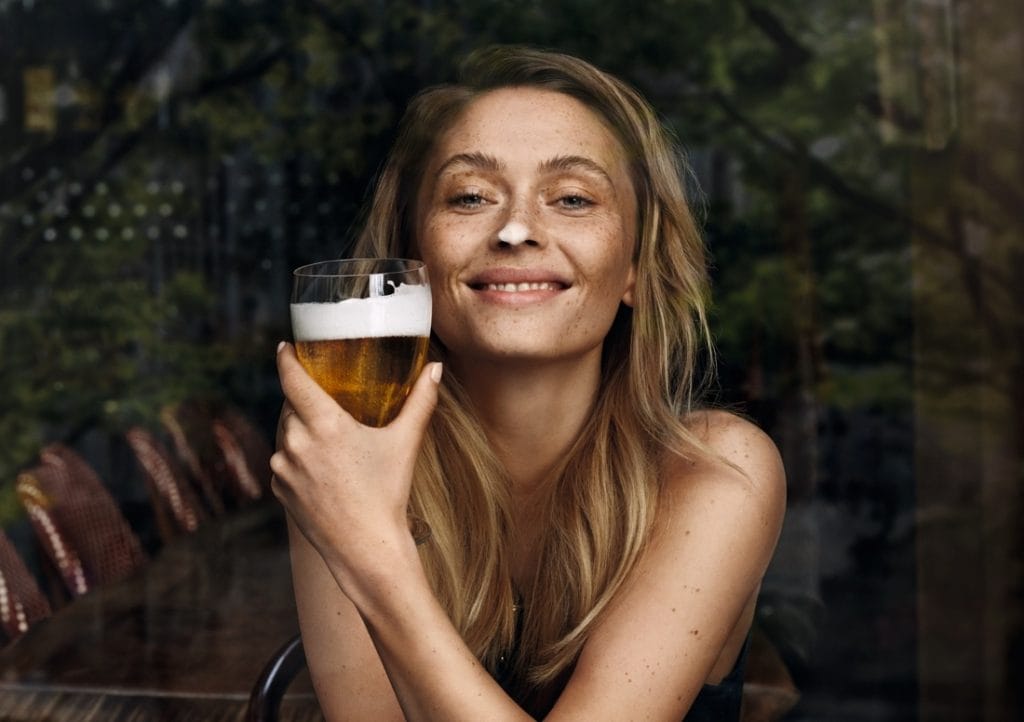 Beer-drinking countries of the world
This panorama reveals an essential point: beer culture is not uniform. It oscillates between tradition, innovation and modernity. Some nations consume a great deal, while others create, develop or export unique styles. But everywhere, beer remains a vehicle for conviviality, a heritage product, and a market in full evolution, driven by the rise of microbreweries and craft beers.
One thing is certain: whether talking about the countries that drink the most beer or the regions that produce the most iconic styles, beer continues to unite enthusiasts the world over. And that passion shows no sign of stopping.
Frequently Asked Questions (FAQ)
Which countries consume the most beer per person?
Europeans from Central and Eastern Europe drink the most beer per capita.
The Czech Republic frequently takes first place, closely followed by Austria and Germany.
Other countries, such as Estonia or Poland, also feature near the top of the ranking.
| Rank | Country | Annual consumption (litres/capita) |
|---|---|---|
| 1 | Czech Republic | ~148 |
| 2 | Austria | ~108 |
| 3 | Germany | ~106 |
Which European country holds first place for beer consumption?
In Europe, the Czech Republic holds the record for beer drunk per capita.
For years, it has remained ahead of Germany and Austria.
How does beer consumption look worldwide, by country?
China leads in terms of total beer consumed, mainly thanks to its enormous population.
The United States and Brazil are also among the biggest consumers by volume.
Which country in Africa records the highest beer consumption?
South Africa most often tops the list for beer consumption on the continent.
Its more developed brewing industry gives it an edge over other African countries.
Which beer is the most popular around the world?
The most widely consumed beer varies depending on where you are.
However, brands like Budweiser, Heineken and Corona can be found almost everywhere, and they sell on a massive scale.
Where does France sit in the beer consumption ranking?
France does not feature in the global top 10 for beer consumption per capita. The French drink less beer than some of their European neighbours.
Nevertheless, beer holds a place in the country’s culinary culture. Many people enjoy it, even if it remains behind other drinks in terms of popularity.
Editorial methodology
The estimates published by Lama Fortune rely on public sources, media references, and sector comparisons. They are provided for informational purposes only and do not constitute financial advice.