The Richest Monarchs in Europe
European monarchies continue to fascinate: sumptuous palaces, crowns inherited over centuries, colossal family fortunes… but also modern investments, discreet holding companies, and financial strategies worthy of the greatest billionaires.
Behind roles sometimes considered merely symbolic, there are in reality gigantic estates, passed down from generation to generation and carefully managed by armies of advisors, tax specialists, and private bankers. Some of these fortunes are partially public; others are fiercely kept secret within complex family structures.
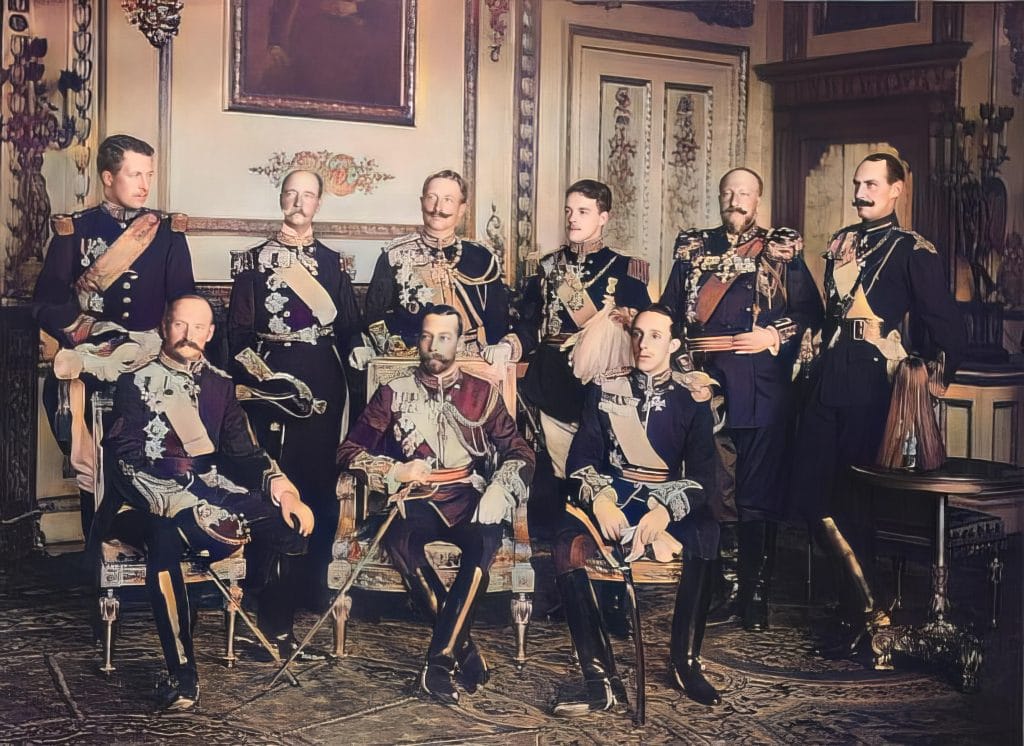 The 9 kings of Europe gather for the first and only time for a photograph at the funeral of King Edward VII in London. 20 May 1910
The result: the amounts are sometimes staggering, and the top position in this ranking may well surprise you. Here is the Top 10 Richest Monarchs in Europe in 2025, with their estimated fortunes, their main assets… and a personal detail to get to know them better.
Top 10 Richest Monarchs in Europe in 2025
10. Philippe of Belgium — €40 million
King Philippe, on the throne since 2013, possesses approximately €40 million.
A discreet fortune coming from:
- wealth accumulated by the Belgian dynasty,
- historic residences,
- financial assets managed by royal foundations.
Unlike some sovereigns, King Philippe does not benefit from a personal real estate empire.
He favors a relatively simple life, focused on his official duties, which contributes to his image as a calm and measured king. The Belgian monarchy is one of the most modest on the continent.
The Belgian royal family possesses approximately €40 million, composed of:
- Private real estate
- Historical inheritances
- Conservative financial investments
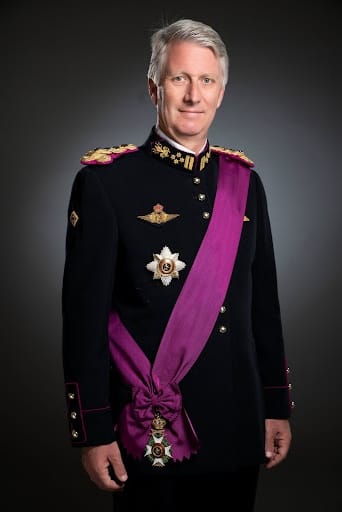 Fortune of Philippe of Belgium
Discreet and far from the pomp of other monarchies, they round out this Top 10. Personal detail: a polyglot, Philippe speaks fluent French, Dutch, English, and German – a precious asset in a country with multiple official languages.
9. Spanish Royal Family — €52 million
The Casa Real, despite its fame, has a relatively modest personal fortune: €52 million.
It comes from:
- Inherited personal property
- Art collections
- Family financial portfolios
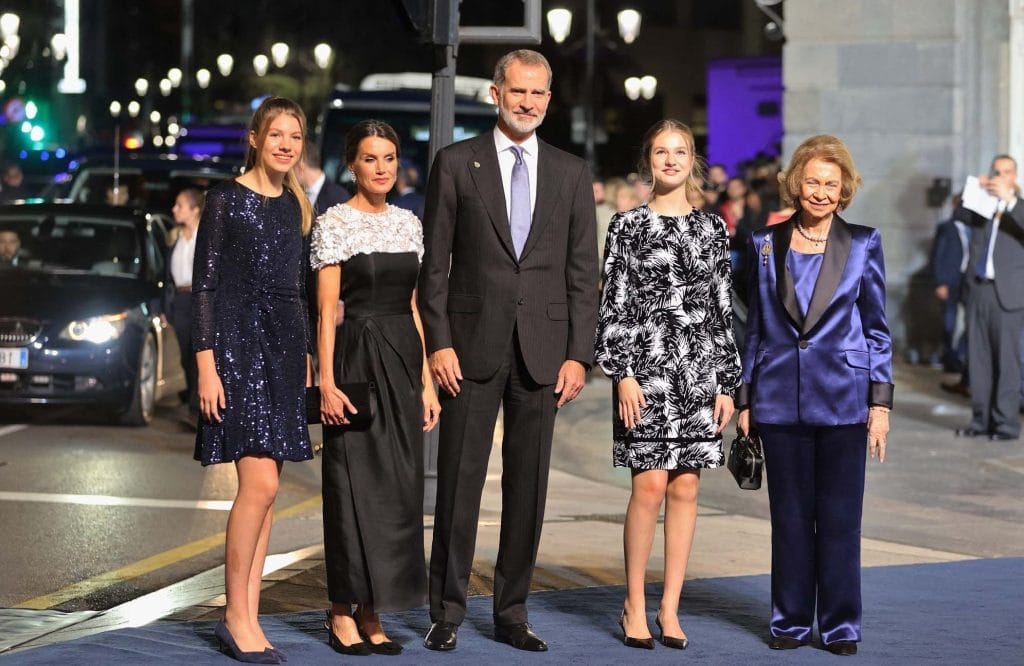 Fortune of the Spanish Royal Family
King Felipe VI has imposed unprecedented transparency on royal accounts, breaking with the more opaque practices of some monarchies. This desire for financial clarity has bolstered his credibility, even if the Spanish royal family’s fortune remains modest compared to other European dynasties.
Personal detail: before reigning, Felipe VI was a high-level sailor and even participated in the 1992 Barcelona Olympic Games.
8. Harald V of Norway — €60 million
King Harald V is one of the financially most modest monarchs… but he reigns over one of the wealthiest states in the world.
His personal fortune of approximately €60 million comes primarily from:
- family real estate,
- historical objects,
- royal collections not transferred to the State.
His personal wealth is small compared to the colossal Norwegian sovereign wealth fund (€1,500 billion), but the latter belongs… to the people, not the king.
Harald, a highly respected figure in Scandinavia, remains the embodiment of a modern, sober, and devoted monarchy.
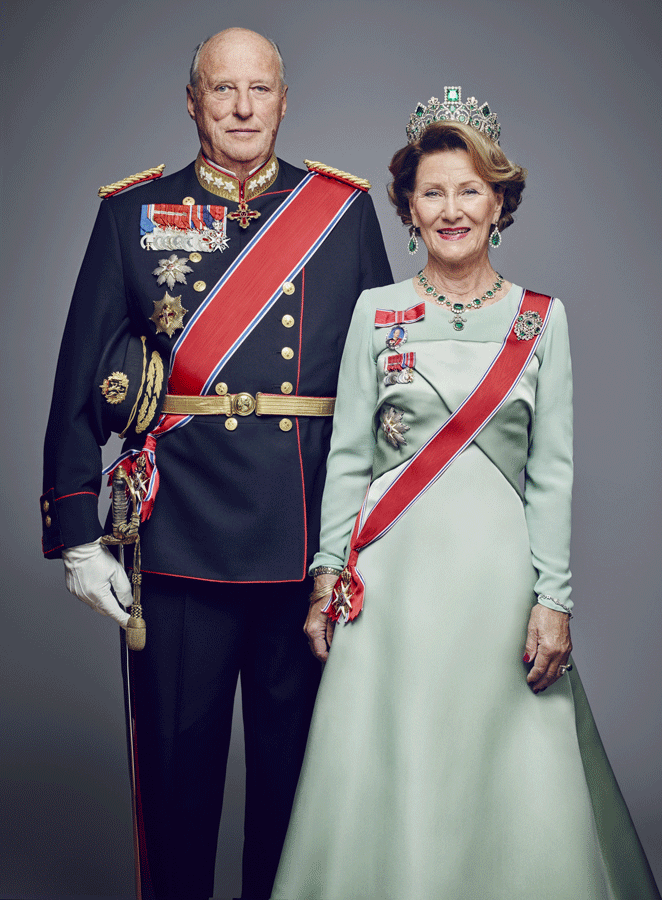 Fortune of Harald V of Norway
King Harald V, a popular and respected monarch, possesses approximately €60 million in private property.
A reasonable estate, but composed of:
- Private royal residences
- Art collections and historical objects
- A secure financial portfolio
One of the most understated kings, in one of the richest countries. Personal detail: a passionate sailor, Harald V also represented his country at the Olympic Games, long before becoming king.
7. Margrethe II of Denmark — €70 million
An accomplished artist, illustrator, and costume designer for films and shows, Margrethe II is not only an iconic queen: she is a passionate creator.
At her abdication in 2025, she possessed an estimated estate of €70 million, made up of:
- family properties (Marselisborg, Fredensborg Castle…),
- art collections,
- artistic royalties,
- personal treasures passed down through a millennium of Danish history.
A sophisticated, erudite queen… and rather well-off.
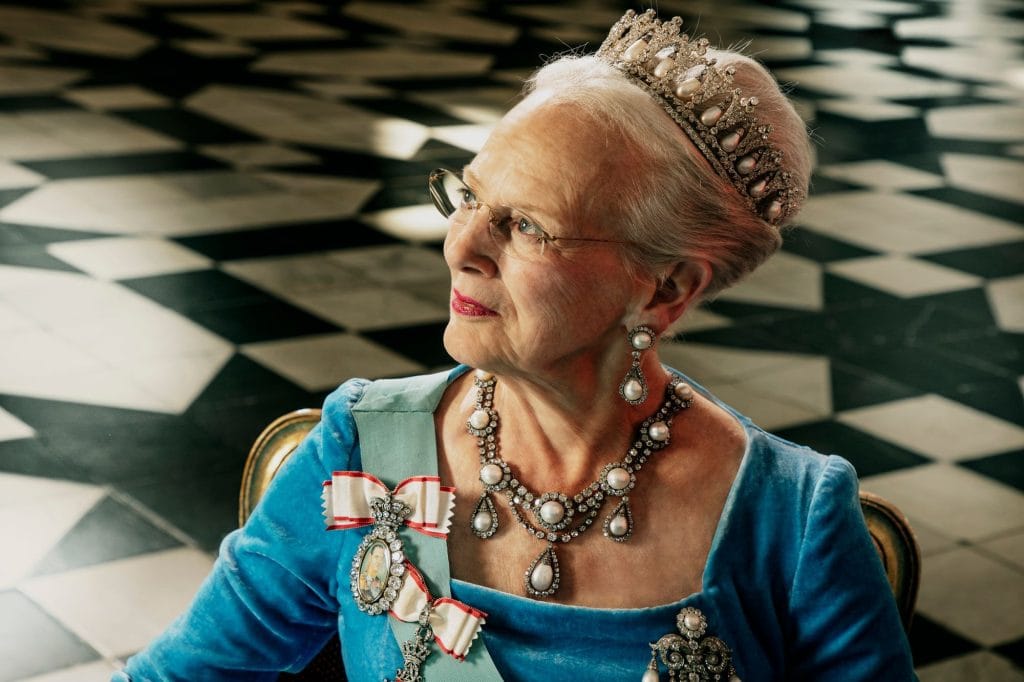 Fortune of Margrethe II of Denmark
The Danish monarchy, one of the oldest in the world, holds a family estate estimated at €70 million.
Wealth derived from:
- Private royal residences
- Art collections
- Court-related investments
- Estate passed down by Margrethe II
A family that bets on tradition… but remains comfortably settled in discreet luxury, far from excess.
Personal detail: Margrethe speaks fluent French and has even signed some of her artistic works under the pseudonym “Ingahild Grathmer”.
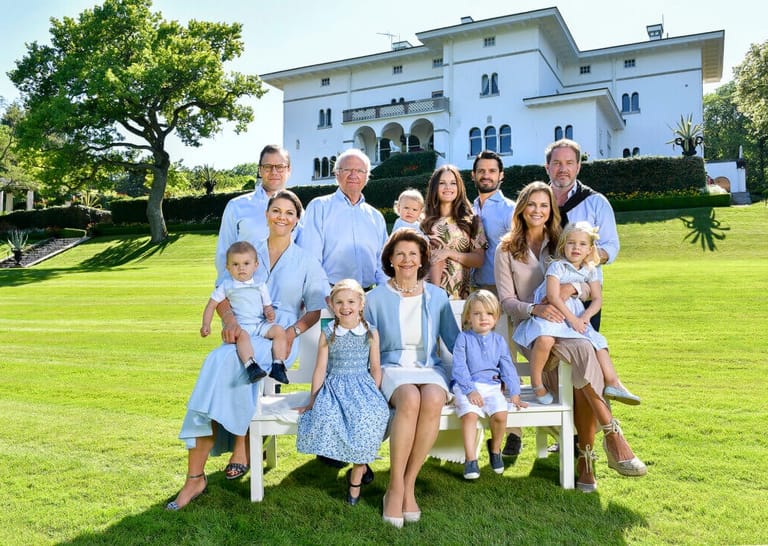
6. Carl XVI Gustaf of Sweden — €120 million
The King of Sweden manages a discreet but solid estate, estimated at €120 million, coming from:
- Private properties at Solliden, Stenhammar…
- Royal jewels inherited through generations
- An investment portfolio
- A collection of highly sought-after historical objects
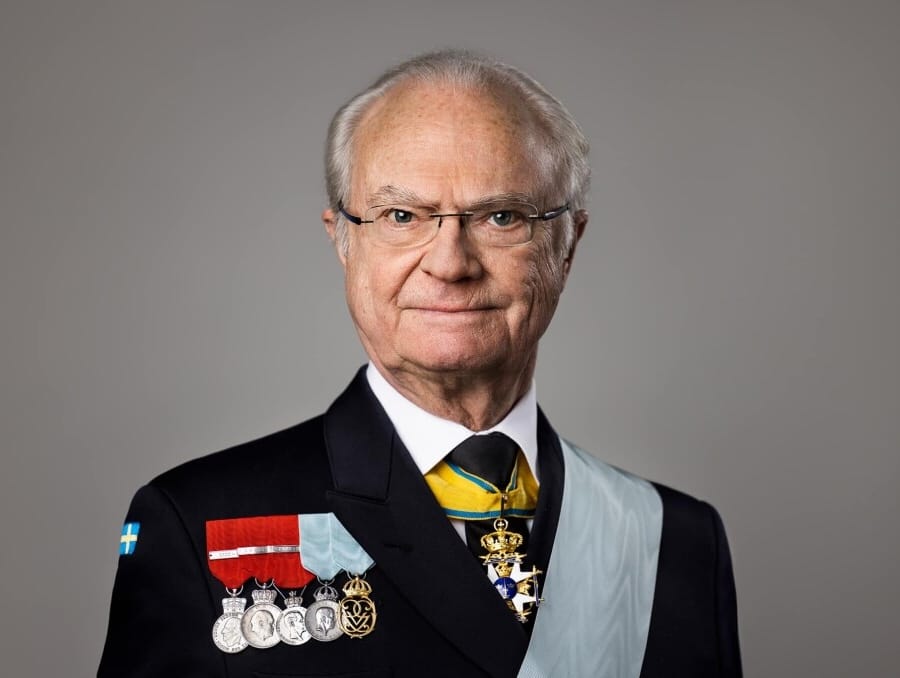 Fortune of Carl XVI Gustaf of Sweden
An elegant fortune, in the image of the Swedish monarchy. Personal detail: very attached to nature, Carl XVI Gustaf is a great defender of Swedish forests and a passionate collector of vintage cars.
5. Willem-Alexander of the Netherlands — €350 million
The King of the Netherlands is known for his accessibility, his smiles, and his passion for planes (he is a pilot… officially!).
His estimated fortune of €350 million comes mainly from:
- real estate in Europe and the Caribbean,
- private investments,
- the heritage of the House of Orange-Nassau, one of the oldest dynasties in Europe.
The Dutch royal family has always been one of the richest on the continent, combining royal tradition with commercial flair. The House of Orange-Nassau is one of Europe’s oldest families. Their private fortune stands at approximately €350 million, composed of:
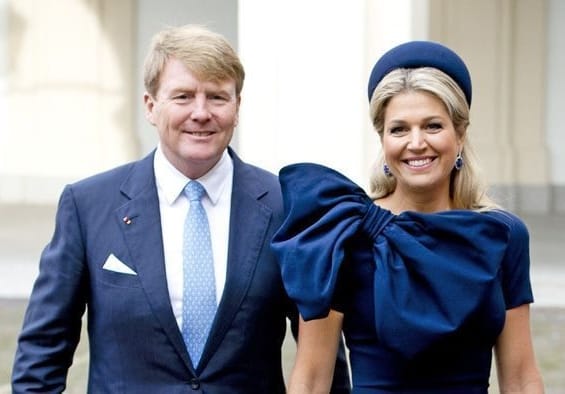 Fortune of Willem-Alexander of the Netherlands
- Historical investments in Royal Dutch Shell
- Prestigious castles and estates
- A financially diversified portfolio spanning decades
- Land in central Europe and overseas
The dynasty remains a discreet actor, but a formidably wealthy one. Personal detail: Willem-Alexander long worked as a co-pilot on KLM commercial flights, incognito, to keep “his feet on the ground”.
4. Albert II of Monaco — €950 million
Between the Mediterranean Sea, casinos, skyscrapers, and yachts, the Grimaldi family reigns over a setting worthy of the world’s greatest fortunes.
Prince Albert II accumulates close to €950 million thanks to:
- extremely valuable land in the principality,
- stakes in the SBM (Société des Bains de Mer),
- a collection of rare cars,
- prestigious residences.
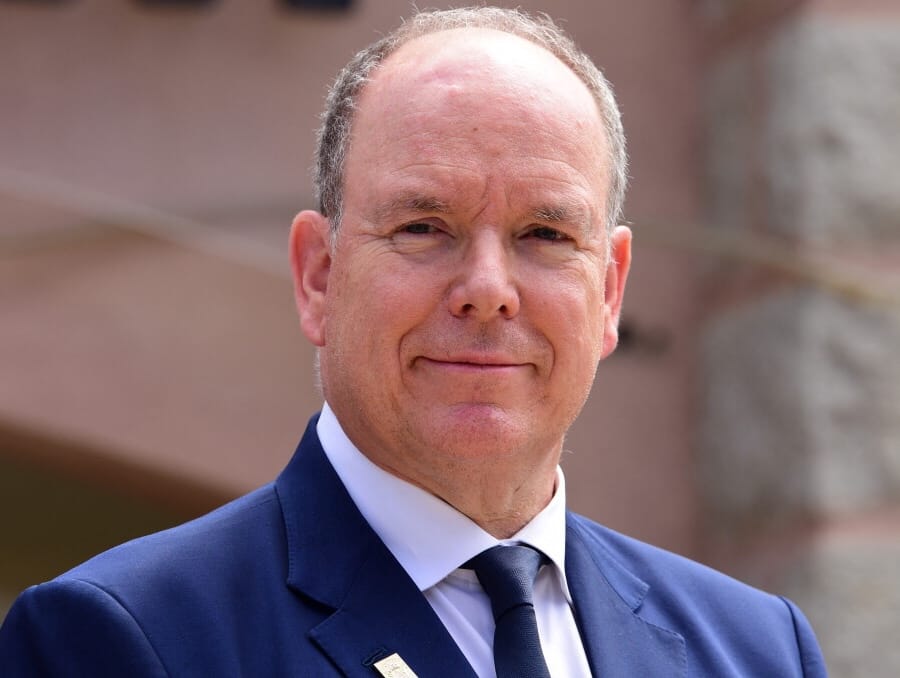 Fortune of Albert II of Monaco
His fortune grows in step with Monaco’s property prices per square meter… the most expensive in the world. Personal detail: Albert II is a fervent defender of the environment and created his own foundation to fight climate change and protect the oceans.
3. Henri of Luxembourg — €1.4 billion
The Grand Duke Henri reigns over a tiny country… but sits atop a mountain of assets.
With an estimated fortune of €1.4 billion, Grand Duke Henri benefits from a colossal historical estate, passed down over several centuries by the Nassau-Weilbourg House.
- His estimated fortune of €1.4 billion rests on:
- Gigantic land holdings in Luxembourg
- Stakes in historic banking institutions
- International investments
- An ancient and highly valued cultural heritage
- One of the most discreet families… but one of the richest in Europe.
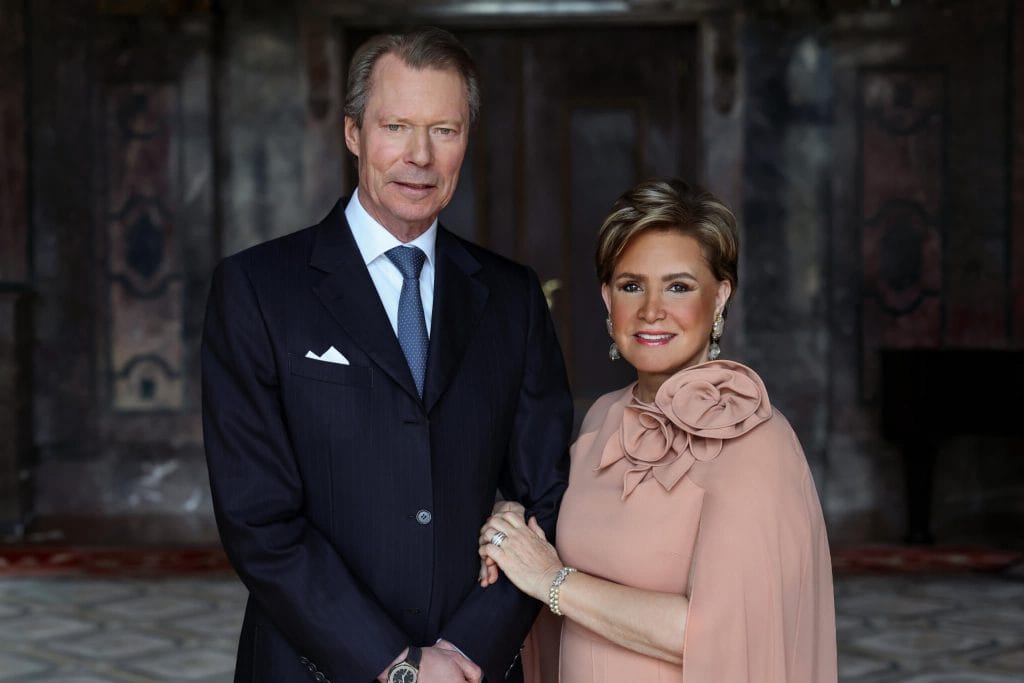 Fortune of Henri of Luxembourg
The Luxembourg family is one of the rare monarchies still solidly holding multi-billion private fortunes. Personal detail: an avid hiker, Henri of Luxembourg loves to recharge in the natural landscapes of his country, away from the spotlight.
2. Hans-Adam II of Liechtenstein — €1.5 billion
Here is a prince who manages one of the most powerful private financial groups in Europe: LGT Group, an international bank owned by the family since 1930.
His fortune of €1.5 billion includes:
- banking assets,
- luxurious estates,
- one of the finest art collections in central Europe,
- investments all over the world.
- LGT Group: international banking group owned by the family for more than a century
- One of the largest private art collections on the continent
- Luxurious estates in Austria, Liechtenstein, and Switzerland
- Massive financial investments in tech, real estate, and energy
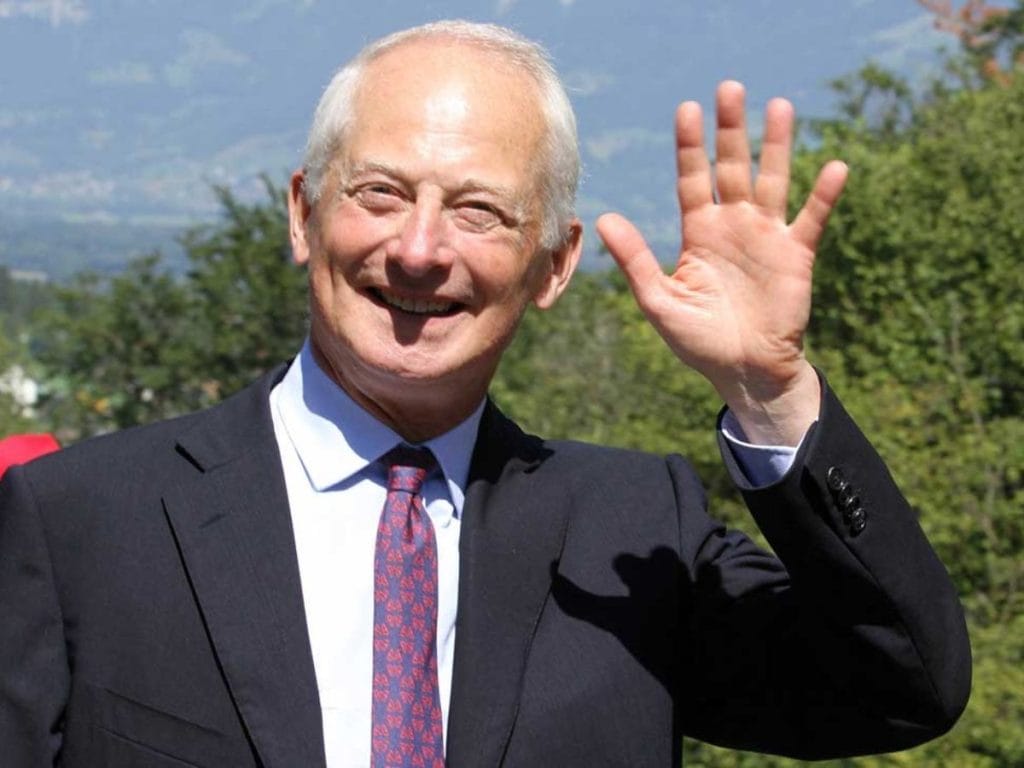 Fortune of Hans-Adam II of Liechtenstein
A discreet sovereign, but an economic titan. Personal detail: he published a book on the role of the modern monarchy, in which he defends a very liberal and economic vision of royal power.
1. Charles III of the United Kingdom — €2.2 billion
A billionaire king… and not just as a figure of speech.
Charles III possesses a personal estate valued at €2.2 billion, including:
- Balmoral (his private castle),
- Sandringham,
- vast agricultural land,
- private art collections,
- personal businesses through the Duchy of Cornwall.
And importantly: this does not include Crown property (Buckingham Palace, the Royal Collection…), which does not belong to him personally.
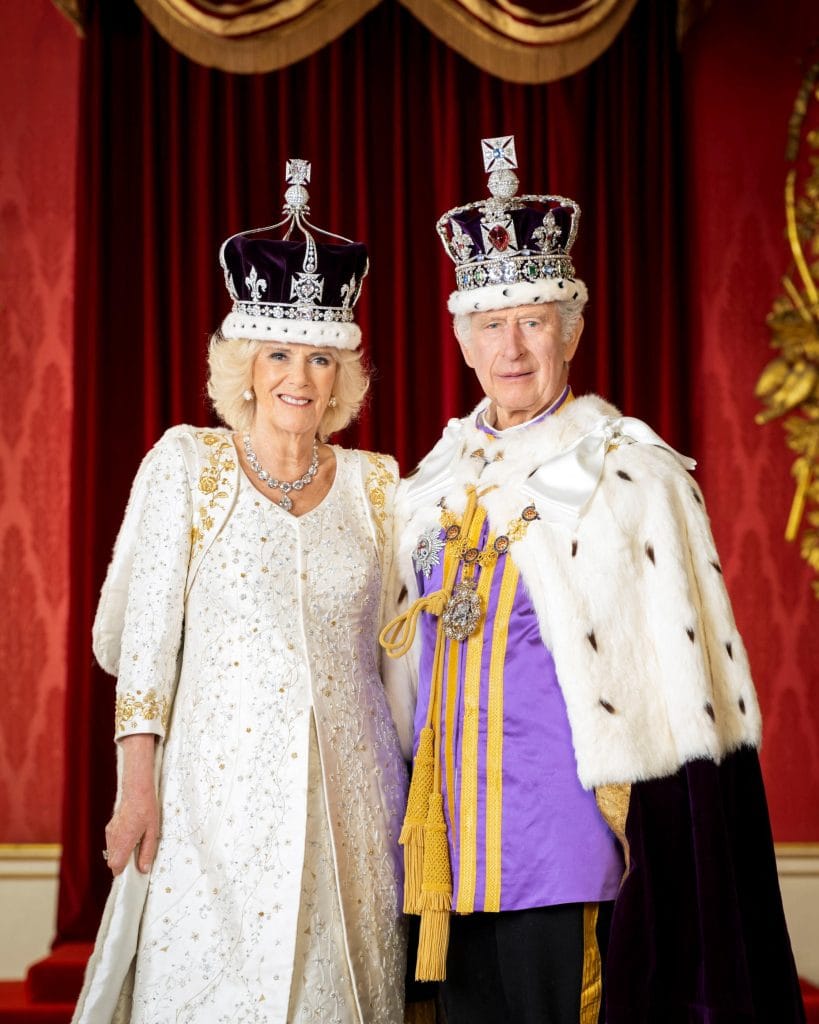 Fortune of Charles III of the United Kingdom
Charles III possesses immense private wealth, long underestimated.
His personal estate, excluding Crown property, now exceeds €2 billion, including:
- Balmoral (estimated at over €200M)
- Sandringham (≈ €150M)
- A vast agricultural estate
- A very secure financial portfolio
- Private art collections and jewels
The British monarchy remains an empire unto itself. Personal detail: a passionate watercolor painter, Charles sometimes sells some of his works, with the proceeds going to charitable causes.
Conclusion on the Richest Monarchs
This ranking confirms it: Europe is home to some of the wealthiest royal families on the planet. Between multi-century inheritances, gigantic land holdings, banking stakes, and priceless art collections, these monarchs manage true economic empires.
While some fortunes remain relatively “modest” for crowned heads, others reach amounts worthy of the greatest private billionaires. One thing remains certain: in Europe, royal wealth goes far beyond crowns and ceremonies, and is anchored in networks of influence, strategic investments, and family estates patiently passed down from generation to generation.
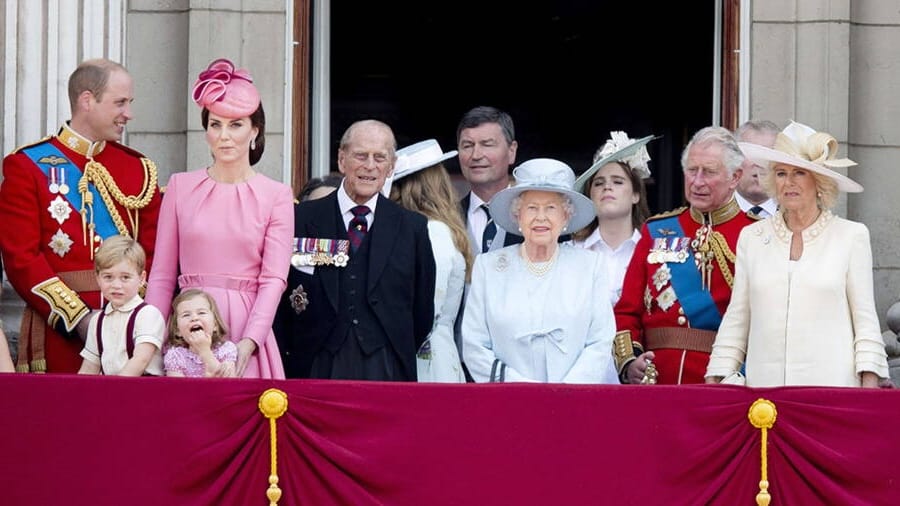 The Richest Monarchs in Europe, the family of Elizabeth II
From the discretion of Philippe of Belgium to the financial weight of Charles III, through the banking power of Hans-Adam II or the Danish elegance of Margrethe II, these sovereigns show that symbolic power is often doubled by an impressive patrimonial reality.
FAQ — The Richest Monarchs in Europe
Who is the richest monarch in Europe in 2025?
It is Charles III of the United Kingdom, with an estimated fortune of €2.2 billion in personal assets (excluding Crown property).
Is the Monaco family really that wealthy?
Yes. Prince Albert II has approximately €950 million in personal assets, driven by the extreme value of Monaco real estate and his stakes in the SBM.
Why are Luxembourg and Liechtenstein so high in the ranking?
Because they are dynasties that have held private banking and land fortunes for generations, with historical stakes in European finance.
Are monarchs paid by the State?
Yes, they receive public grants for their official functions, but their large fortunes come primarily from private assets (real estate, investments, businesses).
Are royal fortunes all public?
No. Some monarchies publish figures; others remain very opaque. The amounts in this ranking are therefore credible but non-contractual estimates, based on cross-referencing several known asset elements.
Editorial methodology
The estimates published by Lama Fortune rely on public sources, media references, and sector comparisons. They are provided for informational purposes only and do not constitute financial advice.