Richest Cyclists in France
Which French cyclists (including retired legends) have the largest fortunes in 2025? Discover the definitive ranking of the richest French cyclists in 2025, both active and retired: net worth, assets, salaries, race bonuses, sponsorship contracts and investments. From Julian Alaphilippe and Romain Bardet to Laurent Jalabert, Richard Virenque and Bernard Hinault, we review the 10 largest fortunes in French cycling, with a financial estimate and career context for each.
Unlike football or tennis stars, professional cyclists rarely become billionaires, but some have nonetheless accumulated considerable fortunes through their salaries, race bonuses, sponsorship contracts and sound investments. An informative and entertaining overview of the 10 richest cyclists in France.
The 10 Richest French Cyclists of 2026
10. Nacer Bouhanni – 2,000,000 €
Nacer Bouhanni opens this ranking with a net worth of approximately 2 million euros. A sprinter known for his combative temperament, Bouhanni was French champion and winner of multiple stages at the Grand Tours. His victories on the Giro and the Vuelta allowed him to negotiate lucrative contracts. He notably earned one of the highest salaries in the French peloton at Cofidis (reportedly around 1 million euros per year at his peak). Bouhanni also benefited from victory bonuses and a few partnerships (equipment brands, bicycles) to boost his income. Although he is winding down his sporting career, the wealth he has accumulated provides him with comfortable financial security.
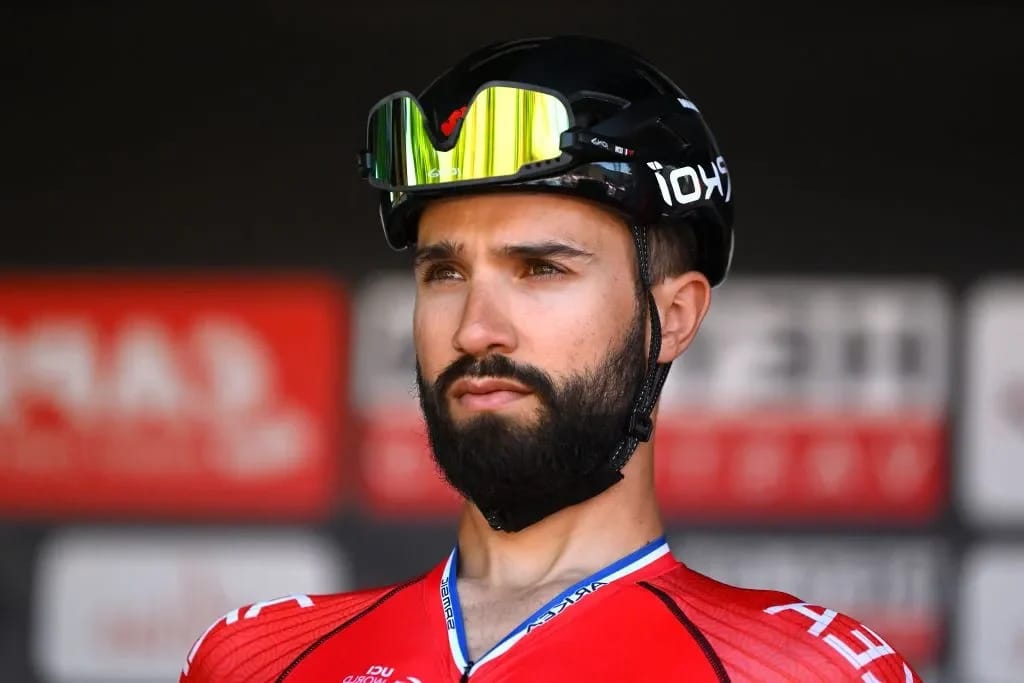 Nacer Bouhanni
9. Warren Barguil – 3,000,000 €
The Breton Warren Barguil has an estimated fortune of 3 million euros. The breakout star of the 2017 Tour de France with two stage wins and the polka-dot jersey for best climber, Barguil made the most of his success. This big-hearted climber subsequently signed with Arkéa-Samsic as a team leader, securing a comfortable salary. His income comes from his rider’s salary, bonuses linked to his performances in the mountains and personal sponsors in his home region (he is very popular in Brittany).
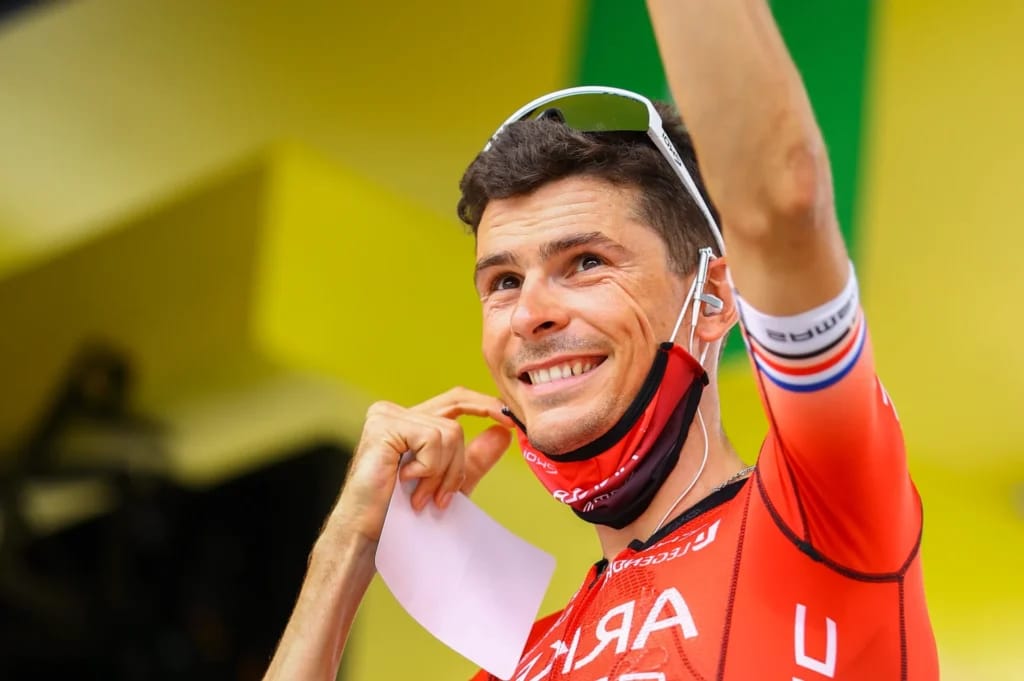 Warren Barguil
Warren Barguil is still active in 2025 and continues to accumulate earnings, while already preparing for his post-cycling life. He is seen, for example, investing time in local cycling events, which could signal a future career in coaching or race organisation, further consolidating his fortune.
8. Thomas Voeckler – 3,500,000 €
A former fan favourite in France, Thomas Voeckler has accumulated approximately 3.5 million euros in assets. An iconic rider of the 2000s and 2010s, he wore the yellow jersey of the Tour de France for 10 days in 2004 and again in 2011, impressing spectators with his fighting spirit. Although his salaries at Bouygues Telecom/Europcar were modest compared to international stars, Voeckler knew how to capitalise on his media popularity.
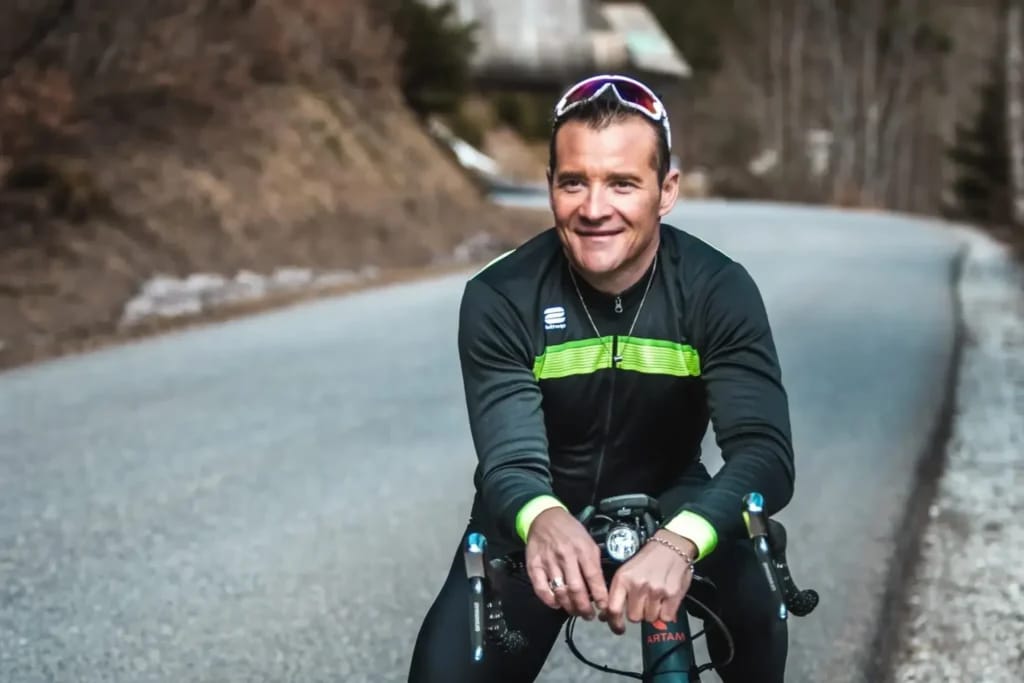 Thomas Voeckler
After retiring from competition, he stayed in the sport by becoming a TV pundit and head coach of the French national road team. These new roles provide him with a regular income. Add to that his successful autobiography and a few brand ambassador contracts (notably for mainstream cycling equipment), and you have a portfolio that reflects both his sporting achievements and his exemplary post-career transition.
7. Arnaud Démare – 4,000,000 €
The Picard sprinter Arnaud Démare is worth approximately 4 million euros. Three-time French road champion and winner of multiple Giro stages, Démare has long been one of the cornerstones of the Groupama-FDJ team. His annual salary grew with his successes, reaching 7 figures (over one million euros per year during his best seasons). To that must be added race victory bonuses (notably for his distinctive jerseys and Grand Tour stage wins) and support from personal sponsors.
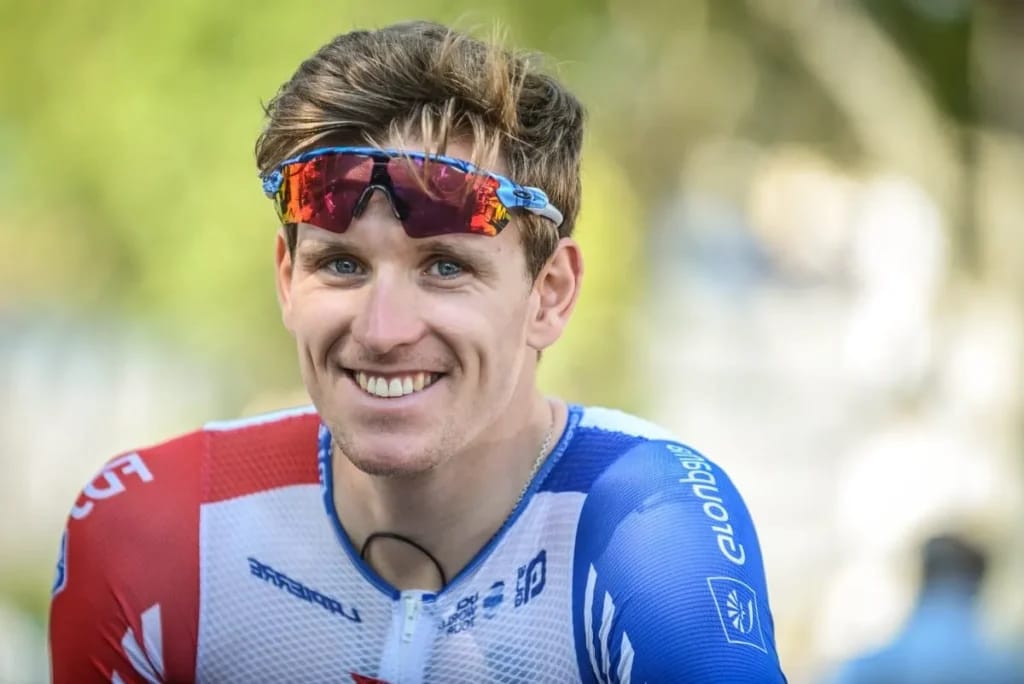 Arnaud Démare
Discreet but effective, Arnaud Démare has also been able to invest a portion of his earnings. He is known, for example, to be a classic car enthusiast — a field where he could place his money wisely. Still active in 2025, he continues to generate income and aims to further enrich his palmares — and indirectly, his fortune.
6. Richard Virenque – 5,000,000 €
An iconic figure of the 1990s, Richard Virenque has an estimated fortune of 5 million euros. Seven-time Tour best climber, he was one of the most media-covered stars of French cycling. During his career, Virenque earned a good living at Festina then Quick-Step, but it was mainly after his retirement that he knew how to stay in the spotlight. Becoming a TV pundit, appearing on reality TV shows and even launching his own jewellery line at one point, he diversified his income streams.
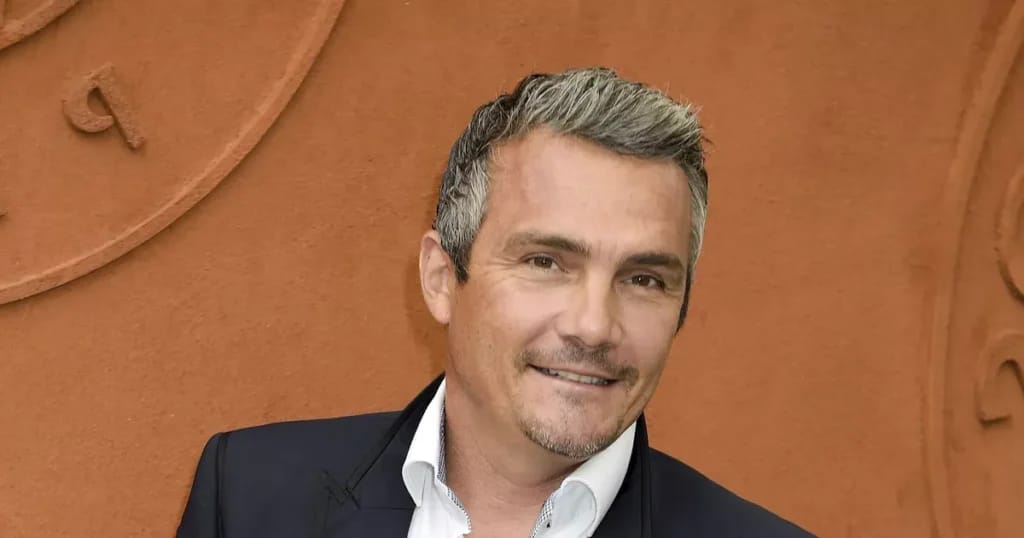 Richard Virenque
Richard Virenque also worked on ambitious investment projects, such as creating a luxury hotel in the south of France (proof that he has not hesitated to invest his fortune in business ventures). Despite the setbacks that some projects have encountered, the “darling” of French cycling has managed to preserve a solid nest egg. His fame still earns him invitations to events and promotional activities today, continuing to grow his capital.
5. Romain Bardet – 6,000,000 €
With an estimated fortune of approximately 6 million euros, Romain Bardet sits in 5th place. An elegant climber and twice third place at the Tour de France (in 2016 and 2017), Bardet was for years one of France’s best hopes for the Grand Boucle. His performances earned him a high salary at AG2R La Mondiale, and later within the DSM team he subsequently joined. It is estimated that he earned around 2 million euros per year at the peak of his form.
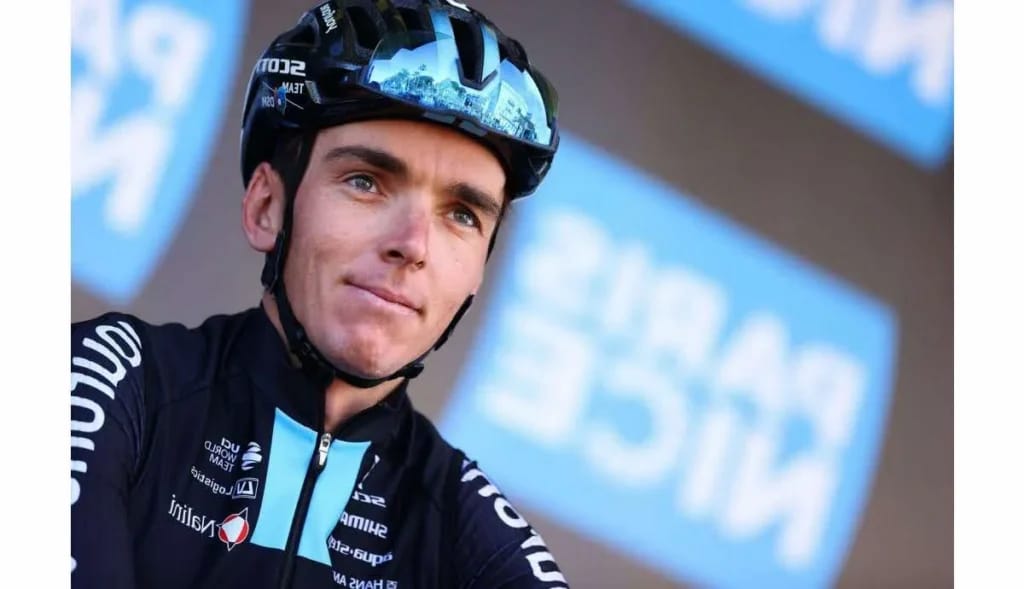 Romain Bardet
On top of these sporting earnings are partnerships with cycling and outdoor brands — Romain Bardet being known for his healthy lifestyle and gentleman’s image, sponsors such as premium helmet or bicycle manufacturers have called on him. Furthermore, Bardet has prepared his future by studying sport management and developing an interest in the wine sector (an industry where several riders invest out of passion). Still active in 2025, he continues to race at the highest level, ensuring the maintenance and growth of his personal fortune.
4. Thibaut Pinot – 7,000,000 €
The darling of French cycling fans, Thibaut Pinot, has a fortune of approximately 7 million euros. Iconic leader of Groupama-FDJ for over a decade, he won memorable stages (notably on the Tourmalet in 2019) and the Tour of Lombardy, and finished third at the 2014 Tour de France. His gifts as a climber-puncher earned him a substantial salary reaching 2 million euros annually towards the end of his career.
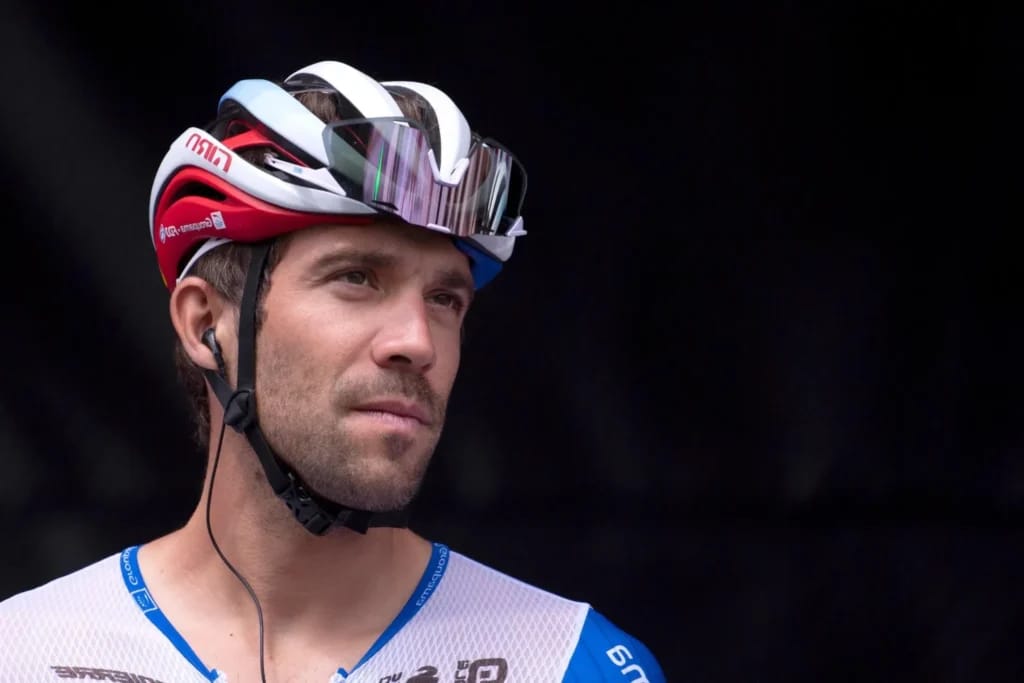 Thibaut Pinot
Not drawn to the glitz, Pinot has nonetheless monetised his fame in his own way: appearing in the Netflix documentary “Tour de France: Unchained” (which raised his popularity further), showcasing his farm and his passion for animals (which could in time open partnership opportunities in the ecological or agricultural sphere). Having said his farewells to the peloton at the end of 2023, Thibaut Pinot will certainly not be short of projects going forward — from training camps for young cyclists to running his family vineyard — which could well add to his wealth over the years, while remaining true to his simple way of life.
3. Bernard Hinault – 7,500,000 €
A living legend of cycling, Bernard Hinault takes third place with an estimated fortune of 7.5 million euros. Nicknamed “le Blaireau” (The Badger), Hinault won five Tours de France (between 1978 and 1985) at a time when salaries were certainly more modest than today, but his exploits opened many doors for him thereafter. A charismatic champion and the last French winner of the Tour, he long earned income as an ambassador for the Tour de France (he took to the podium for the protocol ceremony alongside the winners, representing the organiser ASO).
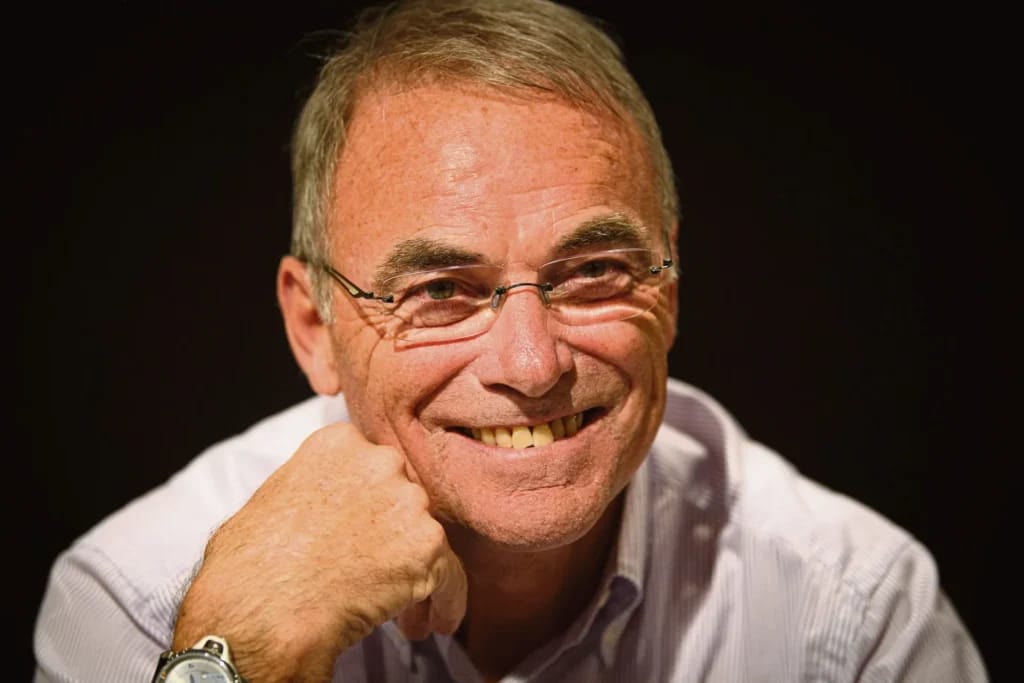 Bernard Hinault
He also published books, gave conferences and leveraged his image to promote regional sporting events. Hinault, true to his Breton roots, invested in a farm and agricultural land — real estate assets that form part of his fortune. Always frank and direct, he has been less present in the media in recent years, enjoying a well-deserved retirement. Nevertheless, his sound investments and enduring fame provide him with a solid financial base, befitting his status as an extraordinary champion.
2. Laurent Jalabert – 9,000,000 €
In second place, Laurent Jalabert has an estimated fortune of around 9 million euros. Dominating cycling in the 1990s, “Jaja” won almost everything: world number one for several consecutive seasons, winner of the 1995 Vuelta, world time trial champion, and the holder of four distinctive jerseys at the Tour de France (the green jersey and the polka-dot jersey). His brilliant career allowed him to draw comfortable salaries at ONCE then CSC, at a time when top riders were starting to earn good livings.
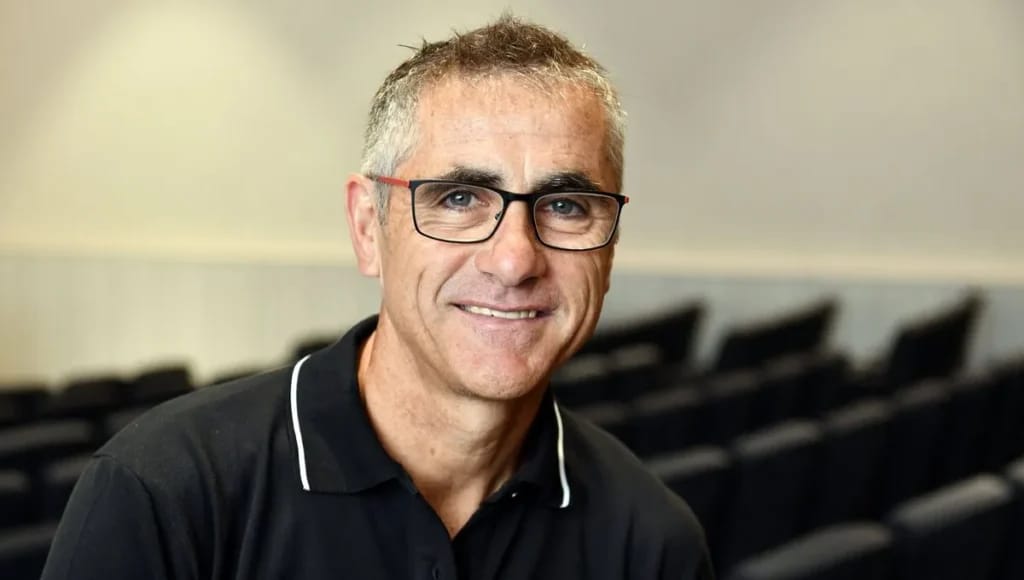 Laurent Jalabert
After retiring from competition in 2002, Laurent Jalabert did not rest on his laurels. He became a star TV pundit (notably on France Télévisions during the Tour de France), which has provided him with a regular income for 20 years. He also participates in marketing operations for cycling sportives that bear his name and collaborates with sports equipment brands. To that must be added prudent asset management: Jalabert has invested, among other things, in real estate. All of this makes him one of France’s most prosperous retired athletes. His calm tone and expertise continue to win over audiences, extending the value of his personal brand well beyond the roads he once raced.
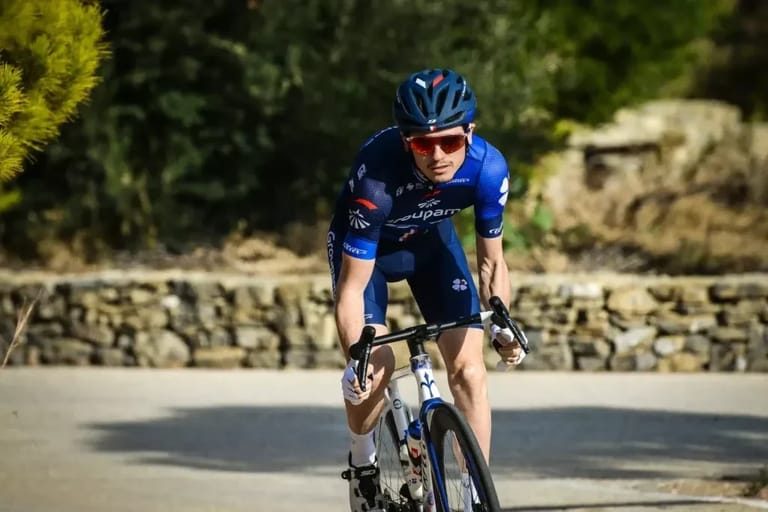
1. Julian Alaphilippe – 10,000,000 €
Topping the ranking, Julian Alaphilippe is the richest French cyclist in 2025 with an estimated fortune of 10 million euros. A true rock star of the peloton since 2019, Alaphilippe claimed two world champion titles (2020 and 2021) and piled up successes on the classics and at the Tour de France (yellow jersey for 14 days in 2019). These exploits earned him a golden contract with the Deceuninck-Quick Step team (now Soudal-Quick Step), with a salary of around 2.3 million euros per year in recent seasons — one of the highest for a French rider.
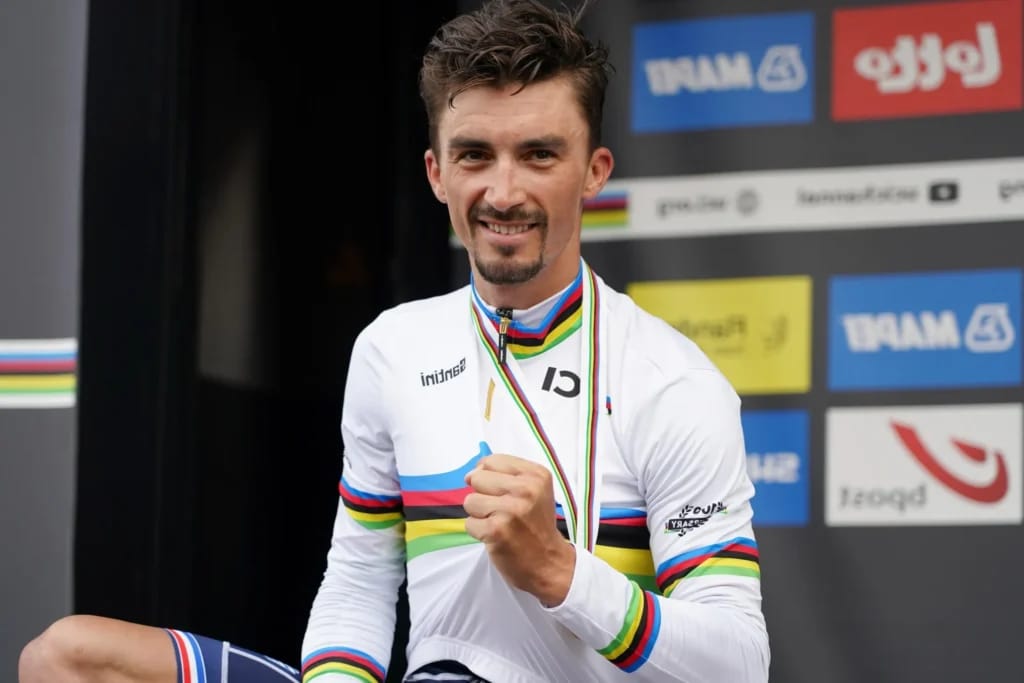 Julian Alaphilippe
Julian also benefits from highly lucrative personal sponsorship contracts: he is, for example, the ambassador for certain brands in France and rides prestigious bicycles supplied by Specialized. Passionate and charismatic, he has known how to negotiate comfortable bonuses and premiums, and has likely invested his earnings wisely (in real estate or businesses, as many champions do). At 32, Alaphilippe is in his prime and continues to write his legend. If he maintains his level and popular image, his fortune could grow further in the coming years, cementing him as the wealthiest French cyclist of his generation.
Conclusion
French cycling demonstrates that a passion for racing can go hand in hand with financial success. From iconic figures such as Julian Alaphilippe and Laurent Jalabert to past legends like Richard Virenque and Bernard Hinault, these athletes have known how to transform their sporting careers into solid wealth. Thanks to attractive salaries, performance bonuses, sponsorship contracts and shrewd investments, France’s top cyclists, whether active or retired, illustrate that even in a sport where overall revenues remain more modest than in other disciplines, determination and intelligent earnings management can lead to the accumulation of considerable fortunes.
This top 10 confirms the income gap with football or tennis, but shows how the best riders build solid assets: team salaries, stage/jersey bonuses, classics and Grand Tour results, sponsorship (bicycles, helmets, clothing, nutrition) and investments (real estate, media, events). Champions still active (e.g. Alaphilippe) retain a growth margin linked to performance and contract renewals, while retired legends (Jalabert, Virenque, Hinault) capitalise on lasting fame (TV consulting, conferences, brands).
FAQ: The Wealth of French Cyclists
Q: Who is the richest French cyclist in 2025? A: According to our ranking, the richest French cyclist in 2025 is Julian Alaphilippe with an estimated fortune of 10,000,000 €. This amount includes all the income accumulated throughout his career (salaries, bonuses, sponsorships and investments).
Q: How do professional cyclists earn money? A: A cyclist’s income comes mainly from their salary paid by the team (often the largest share), supplemented by performance bonuses (stage wins, general classification, distinctive jerseys, etc.) during races. They may also sign personal sponsorship contracts with brands (bicycles, clothing, helmets, energy drinks, etc.), especially if they have a strong public image. Finally, some invest in ancillary activities (businesses, real estate) to diversify their income streams.
Q: Do cyclists continue to earn income after retiring from competition? A: Yes, many retired cyclists continue to generate income. They can become TV or radio consultants, coaches or sporting directors within teams, cycling event organisers, or brand ambassadors. Some monetise their fame through books, conferences or even by launching their own businesses. These post-career activities complement the savings accumulated during the competitive years and help maintain a certain standard of living.
Q: Why are cyclists not as wealthy as footballers or stars from other sports? A: Cycling, while extremely popular, does not generate the same commercial revenues as football or basketball, for example. TV rights and sponsorships in cycling are lower, which is reflected in the riders’ salaries (which remain comfortable for the very best, but are incomparable to those of top-level footballers).
Moreover, a cyclist has only a limited career in terms of peak performance, and the risks (crashes, injuries) are high. Nevertheless, cycling champions sometimes compensate with their image as popular heroes and a successful post-career transition, which can secure them a respectable fortune — even if it is smaller than that of football stars.
Key takeaways
- This article is an editorial synthesis built from publicly available information discussed in the page.
- The figures cited are estimates rather than audited financial statements.
- The conclusions focus on the revenue drivers and public signals described in the article.
Editorial methodology
The estimates published by Lama Fortune rely on public sources, media references, and sector comparisons. They are provided for informational purposes only and do not constitute financial advice.