Richest F1 Drivers in France
France has produced many talents in Formula 1 over the decades. Some of these drivers have accumulated considerable fortunes through their Grand Prix contracts, prestigious sponsors, and shrewd investments. Here is the top 10 richest F1 drivers in France, ranked from the most modest estimated fortune to the most impressive. Each fortune is shown as a precise estimated value, and we also detail the highlights of their careers and the main sources of their income.
Top 10 Richest French F1 Drivers in 2025
10. Jean-Éric Vergne – $4 million
Jean-Éric Vergne is best known for his career in Formula E, where he won two world championships (2018 and 2019). Before that, he raced in Formula 1 with Scuderia Toro Rosso from 2012 to 2014, alongside a certain Daniel Ricciardo. Although he never achieved a podium in F1, his successful transition to Formula E and other activities allowed him to accumulate a fortune of approximately $4 million. This sum may seem modest compared to others, but it remains remarkable for a driver who never had a seat at a top F1 team.
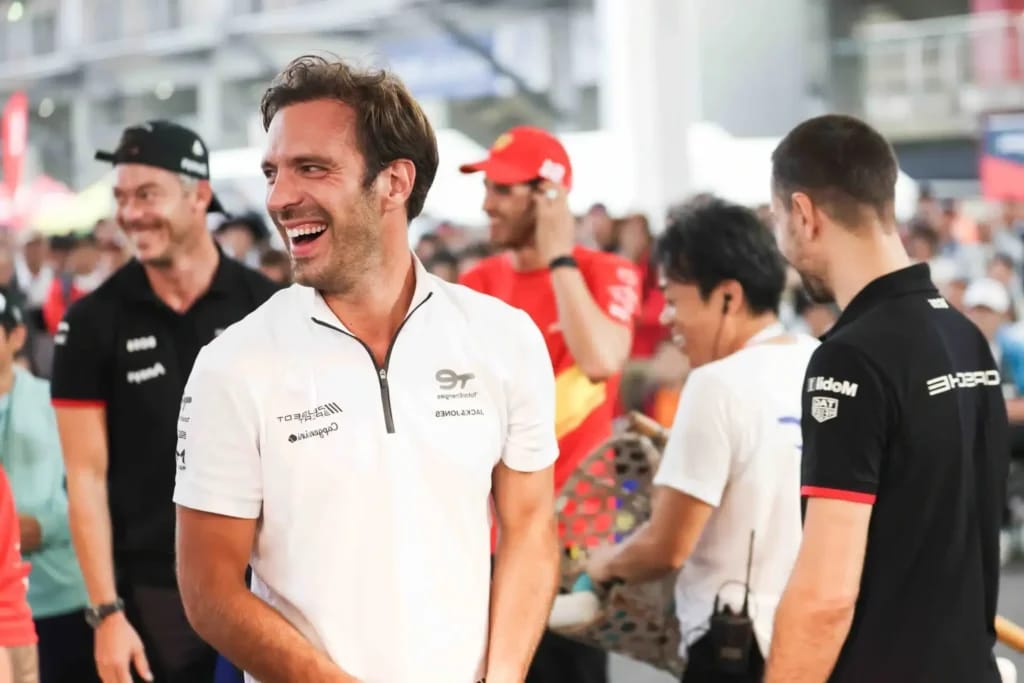 Jean-Éric Vergne
Vergne’s fortune comes primarily from his Formula E salaries, where top drivers can earn around €2 million per year. Added to this are his F1 test driver contracts (he was a simulator driver for Ferrari in 2015-2016) and personal sponsors acquired during his career. After F1, Vergne co-founded the Veloce Racing team and became involved in Endurance racing (with Peugeot in the WEC), thereby diversifying his income sources. His journey shows that it is possible to bounce back from F1 and earn a very good living through motorsport.
9. Sébastien Bourdais – $5 million
Sébastien Bourdais dominated Champ Car racing in the United States in the mid-2000s, winning four consecutive titles in the discipline (from 2004 to 2007). This success across the Atlantic opened the doors of Formula 1 with Toro Rosso in 2008, alongside the young Sebastian Vettel. Despite his Champ Car record, Bourdais did not achieve the same success in F1 and left the championship in 2009. Nevertheless, the totality of his career allowed him to accumulate an estimated fortune of $5 million.
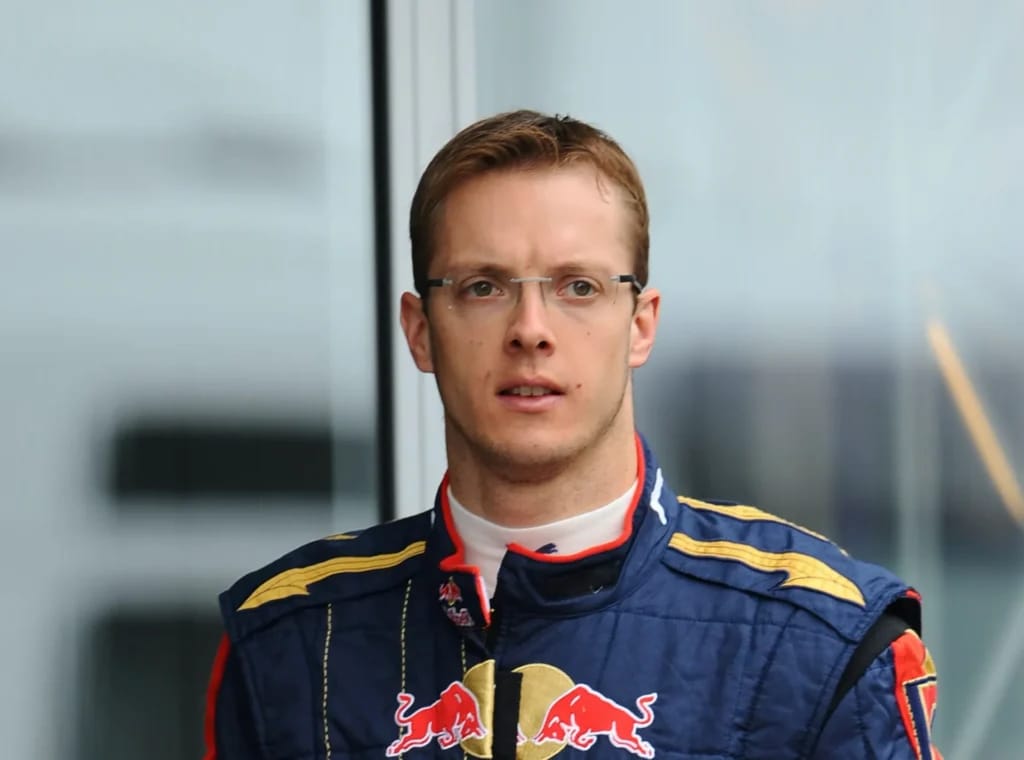 Sébastien Bourdais
Bourdais earned most of his money through his Champ Car/IndyCar contracts – where champions could earn comfortable salaries – and his F1 seasons (Toro Rosso paid him a significant annual salary for a newcomer). After F1, he returned to IndyCar and now excels in endurance championships (IMSA), providing him with a steady income as a professional driver. In parallel, Bourdais benefited from personal sponsors and victory bonuses during his titles in the USA. While he did not reach the financial heights of some of his compatriots, he has successfully capitalized on his driving talent across several continents.
8. Olivier Panis – $5 million
Olivier Panis will forever remain the last French driver to win a Formula 1 Grand Prix in the 20th century, thanks to his memorable achievement at the 1996 Monaco GP. A respected driver, he raced in F1 from 1994 to 2004 (Ligier, Prost Grand Prix, BAR, Toyota) and achieved several podiums. His longevity in the discipline and his subsequent roles (test driver for Toyota, then manager) allowed him to amass an estimated fortune of around $5 million. This estimate reflects a solid career even without having driven for the very top teams.
Panis first earned his living through his Grand Prix driver salaries. At his peak with BAR Honda or Toyota, he was earning several million per year in salary. He also benefited from bonuses (his Monaco victory and his podiums earned him handsome bonuses from the teams and sponsors).
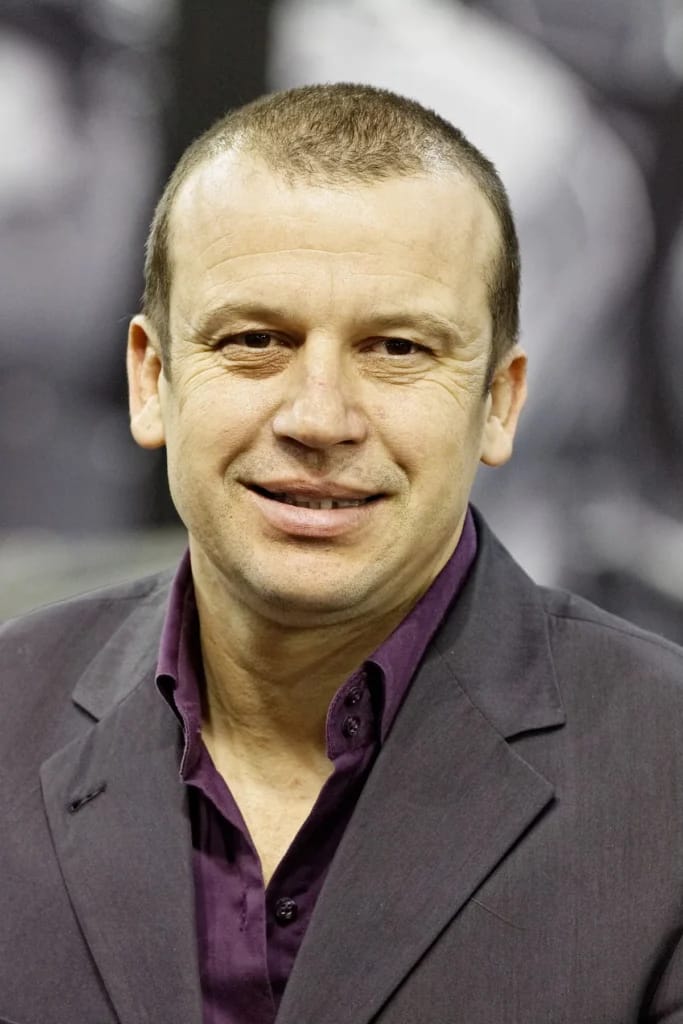 Olivier Panis
After his career as a race driver, Panis remained active by becoming an advisor and manager – he co-founded an endurance team (Panis Racing) and has mentored young drivers. These activities, combined with occasional TV consultant contracts and his investments, have consolidated his estate. Olivier Panis shows that a prolonged F1 career, even without a world title, can lead to a comfortable financial situation.
7. René Arnoux – $10 million
A prominent figure of the 1980s, René Arnoux won 7 Grand Prix in Formula 1, driving for Renault then Ferrari. He finished third in the world championship in 1983. Less publicized than his contemporary Prost, Arnoux nonetheless pursued a successful career and skillfully reinvented himself once he hung up his helmet. His personal fortune is estimated at around $10 million, the fruit of his sporting career and his businesses.
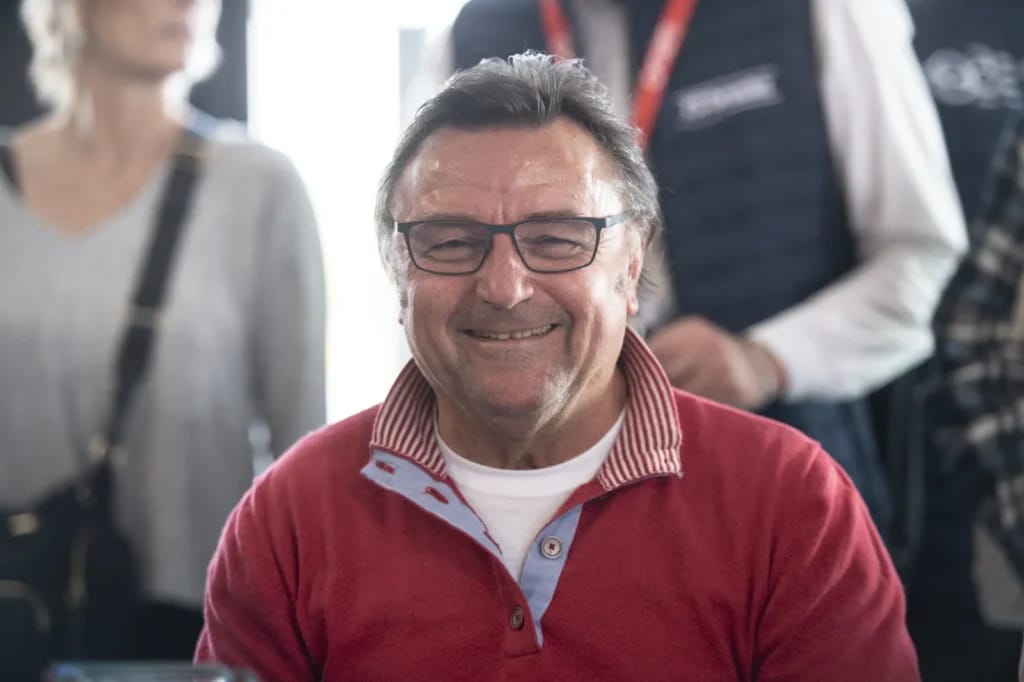 René Arnoux
During his F1 years, Arnoux benefited from well-paid driver contracts, notably at Ferrari – a team known for paying its drivers well, especially those who win races. After his retirement in 1989, he invested in the business world: René Arnoux set up an indoor karting facility and runs several businesses (he is said to own two factories in France). These off-track activities considerably increased his estate. He also continues to appear at historical F1 events as a guest, maintaining his fame. Arnoux perfectly illustrates how a driver can diversify his income after F1, by combining passion for motorsport and entrepreneurial spirit.
6. Romain Grosjean – $16 million
Romain Grosjean had a notable F1 career during the 2010s, reaching the podium 10 times with Lotus (including a third place in the 2013 constructors’ championship). While he never won a Grand Prix, he established himself as a reliable driver, then brilliantly negotiated his transition to IndyCar in the United States after 2020. Today, Romain Grosjean’s fortune is estimated at $16 million.
Grosjean earned significant F1 salaries, particularly at Lotus (number 1 driver contract alongside Kimi Räikkönen then Pastor Maldonado) and later at Haas. For example, at the end of his F1 career, his annual salary at Haas was around $2 to 3 million. Added to this were personal sponsorship contracts (he was an ambassador for watch and car brands). After his spectacular accident in 2020, he joined IndyCar where his fees remain high for an experienced driver.
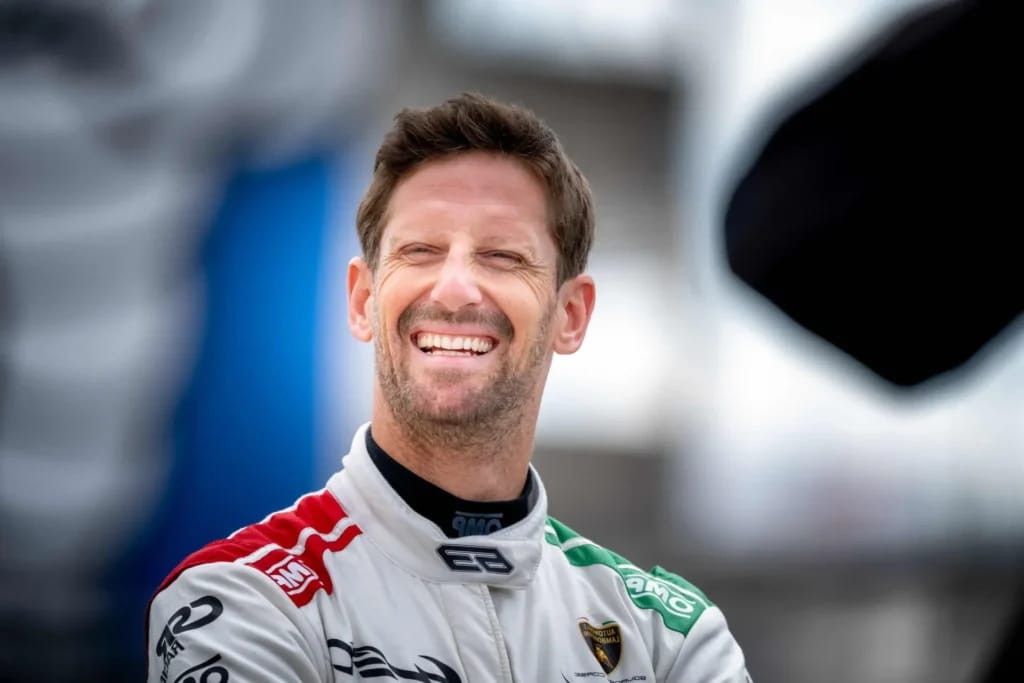 Romain Grosjean
Away from the track, Romain has diversified his activities: he founded his e-sports team (R8G), published an autobiographical book, and launched a karting line in France. These initiatives, combined with careful financial management, have consolidated his financial situation. Grosjean illustrates the journey of a modern driver who knows how to leverage his fame across multiple fields.
5. Jacques Laffite – $19 million
Jacques Laffite was one of France’s F1 stars in the 1970s-1980s. Winner of 6 Grand Prix and for a long time the record holder for GP starts for a French driver (176 starts), he made history with the Ligier team. After his career was cut short by an accident in 1986, Laffite became a renowned consultant and commentator on French television (notably on TF1). Over the years, he accumulated an estimated fortune of $19 million.
Jacques Laffite’s fortune was built in several stages. First through his F1 driver income at a time when salaries were beginning to rise (at Ligier, he was the team leader, which ensured him a good annual salary and substantial victory bonuses). Then, after F1, he remained in the spotlight as a TV consultant for more than 20 years, providing him with stable and comfortable earnings.
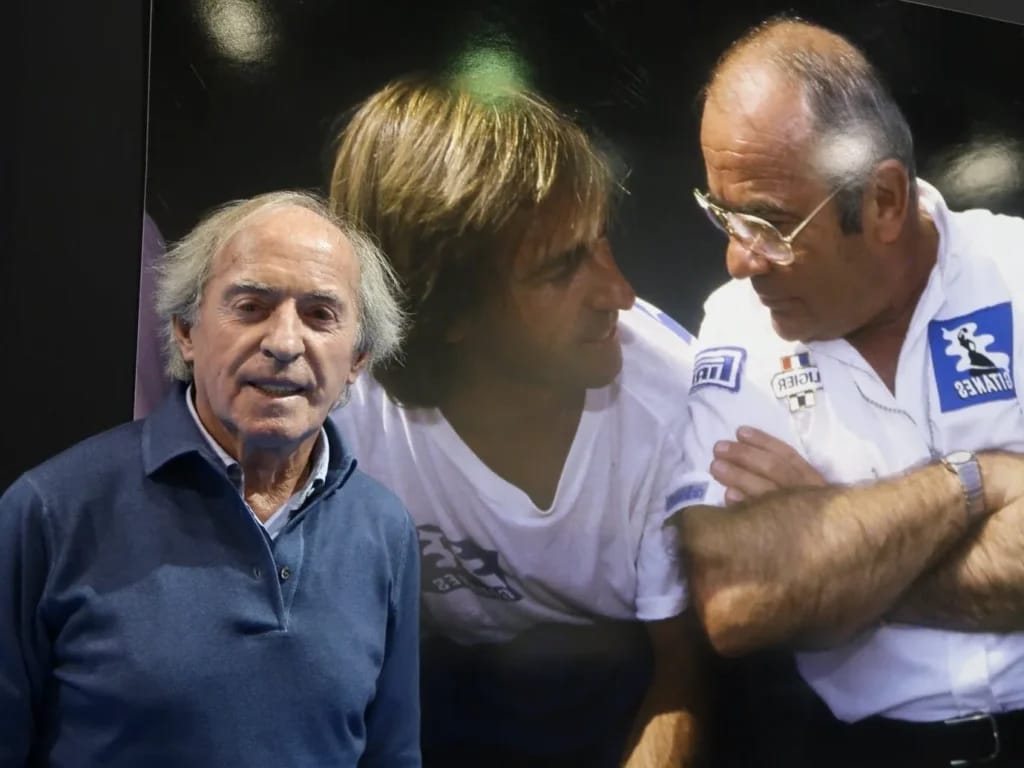 Jacques Laffite
He also participated in historic races and took on ambassador roles for automotive brands, capitalizing on his fame. Finally, Laffite was able to make personal financial investments over time (real estate, etc.), securing his prosperity. His exemplary career on and off the circuits allowed him to reach this respectable fortune.
4. Esteban Ocon – $21 million
Esteban Ocon is part of the new generation of French drivers who have succeeded in Formula 1. Coming from a modest background, he climbed the motorsport ladder through his talent, all the way to winning the 2021 Hungarian Grand Prix with Alpine. At just 27 years old, he already has more than 100 GP starts and a promising future. His current fortune is estimated at $21 million, reflecting his salaries and contracts throughout his career.
Ocon’s main source of income is his official driver salary at Alpine F1. After his beginnings at Force India (where his salary was around €185,000 in his rookie season), he signed a much more lucrative contract with Alpine (Renault). In 2023, his annual salary is estimated at around €5 million, and Alpine extended his contract until 2025, securing his future earnings.
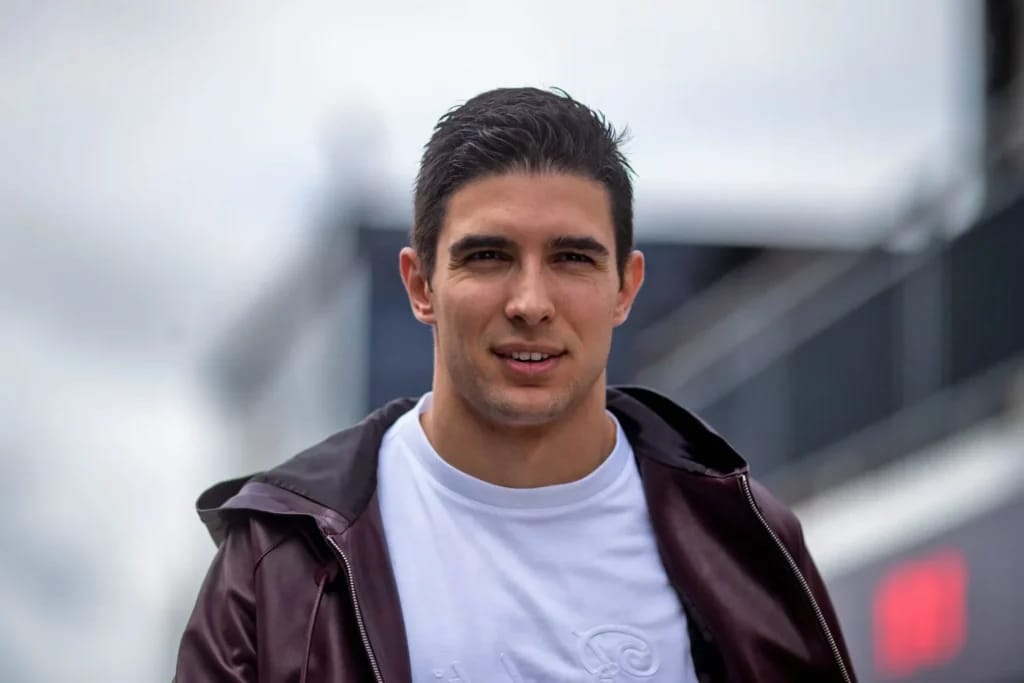 Esteban Ocon
Ocon also benefits from performance bonuses (his victory in Hungary earned him a handsome bonus from the team). On the sponsorship side, having been supported by Mercedes from the start, he has had partnerships with brands linked to his teams (notably automotive and watchmaking brands through Alpine). Finally, Ocon has recently invested in real estate, following the example of many drivers who invest their earnings. Starting from nothing, Esteban Ocon is proof that with sporting success and good management, one can quickly build a considerable fortune.
3. Pierre Gasly – $33 million
Pierre Gasly burst onto the world stage by spectacularly winning the 2020 Italian Grand Prix at Monza, giving France its first F1 victory in 24 years. After beginnings at Toro Rosso and a stint at Red Bull, Gasly returned as leader at AlphaTauri before joining Alpine in 2023. At 29, he is at his sporting peak. His fortune is estimated at $33 million, making him one of the wealthiest current French drivers.
Gasly first benefited from the Red Bull Junior program, but it is above all his recent F1 contracts that have boosted his fortune. At AlphaTauri, his annual salary rose from €1 million in 2019 to approximately €5 million in 2022, thanks to his strong results. His transfer to Alpine came with an estimated salary increase to more than $10 million per year. Added to these earnings are personal sponsors: Pierre Gasly is backed by brands like Hawkers (eyewear) and has collaborated with the jeweler Blimp.
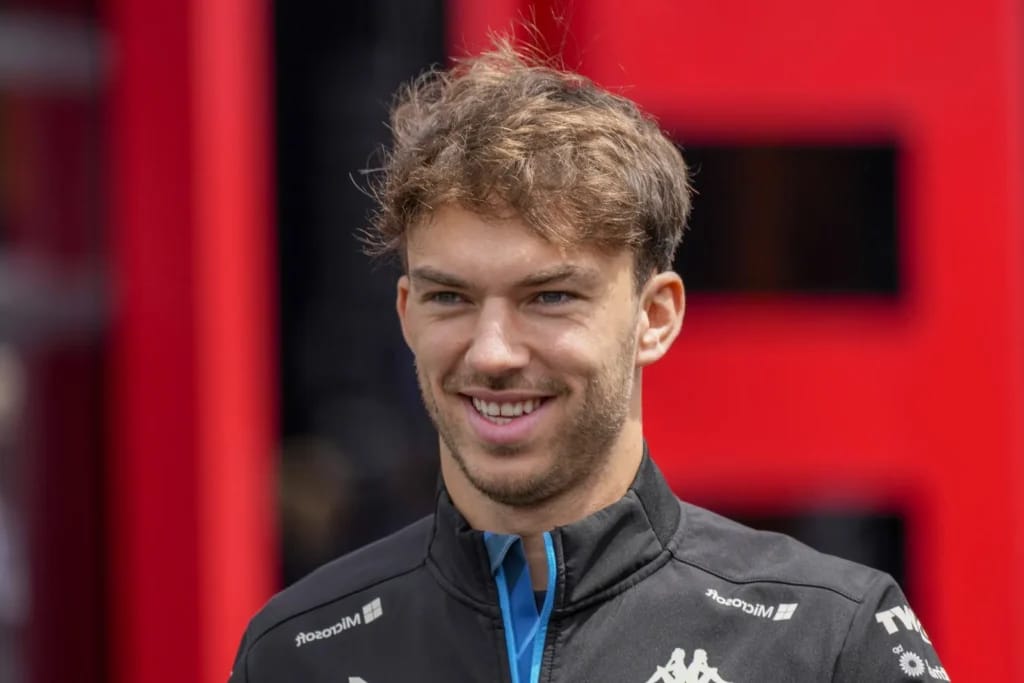 Pierre Gasly
He has also launched his own streetwear line, taking advantage of his image with young audiences. Away from the circuit, Gasly lives partly in Dubai and Milton Keynes, benefiting from advantageous tax regimes for expatriate athletes. All these elements combined explain the rapid growth of his estate, which could increase further if he continues on his current trajectory in F1.
2. Jean Alesi – $50 million
Jean Alesi, the darling of Ferrari’s tifosi in the 1990s, won only one Grand Prix (Canada 1995) but accumulated podiums (32 in total) and prestigious contracts. A Ferrari driver from 1991 to 1995, then with Benetton, Sauber, Prost GP, and Jordan, he spent more than a decade in F1. His combative style and popularity earned him comfortable remuneration, to the point that his current fortune is estimated at $50 million.
Jean Alesi’s career brought him substantial driver salaries – Ferrari, for example, paid him several million dollars per season as team leader alongside Prost then Berger. At Benetton in 1996-97, he also had a high-value contract, succeeding champion Schumacher. Beyond salaries, Alesi signed lucrative advertising contracts at the peak of his career, notably with brands like Shell (oil company) and personal sponsors in Italy and Japan (being married to actress Kumiko Goto, he has great popularity in Japan).
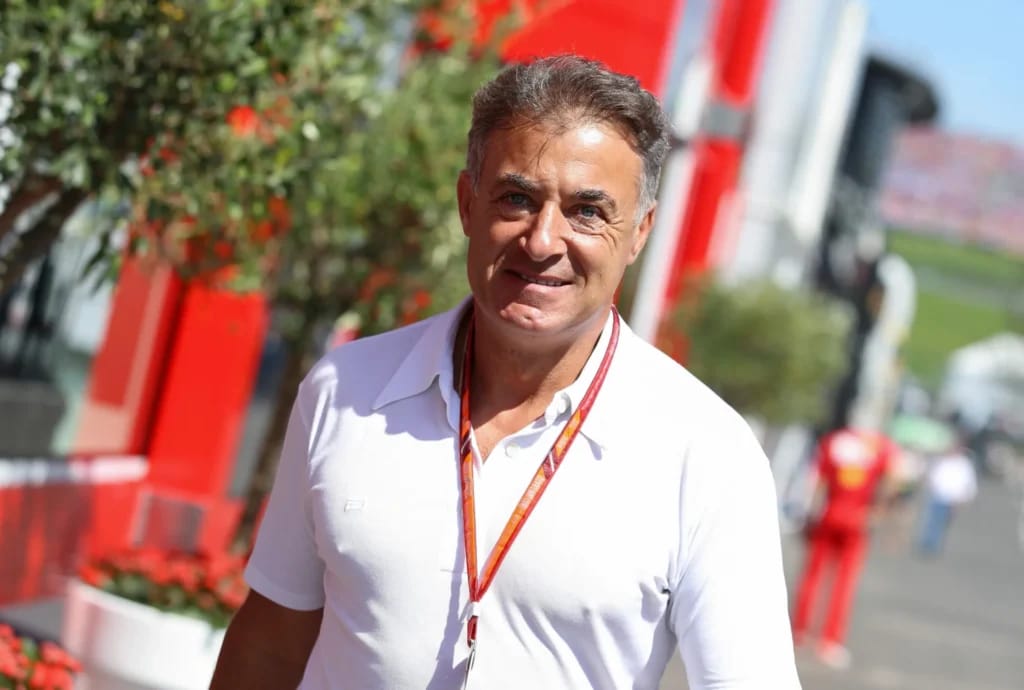 Jean Alesi
After F1, Alesi raced in DTM and participated in the 24 Hours of Le Mans, extending his driver income for several years. He also invested in a wine estate near Avignon, being a great wine enthusiast. Finally, Jean Alesi has held honorary roles (ambassador for the Lotus F1 Team, member of the FIA Drivers’ Commission), often accompanied by attendance fees. An entrepreneur at heart, he has diversified his estate well beyond his on-track earnings.
1. Alain Prost – $100 million
Alain Prost, nicknamed “The Professor”, is not only the most decorated French F1 driver in history (four world championships in 1985, 1986, 1989, and 1993), but also the wealthiest. With 51 Grand Prix victories, he held the victory record for a long time. After retiring as a driver, he founded his own team (Prost Grand Prix) and remained an influential figure in motorsport. Alain Prost’s fortune is estimated between $70 and $100 million, with the most common estimates placing it at around $100 million.
Prost’s wealth was built on several pillars. On one hand, his driver salaries in the 1980s/90s were among the highest on the grid – McLaren then Ferrari paid him record amounts for the era (reportedly more than $10 million per year at the end of his career with Williams in 1993). Added to this were substantial performance bonuses for each of his world titles and race victories.
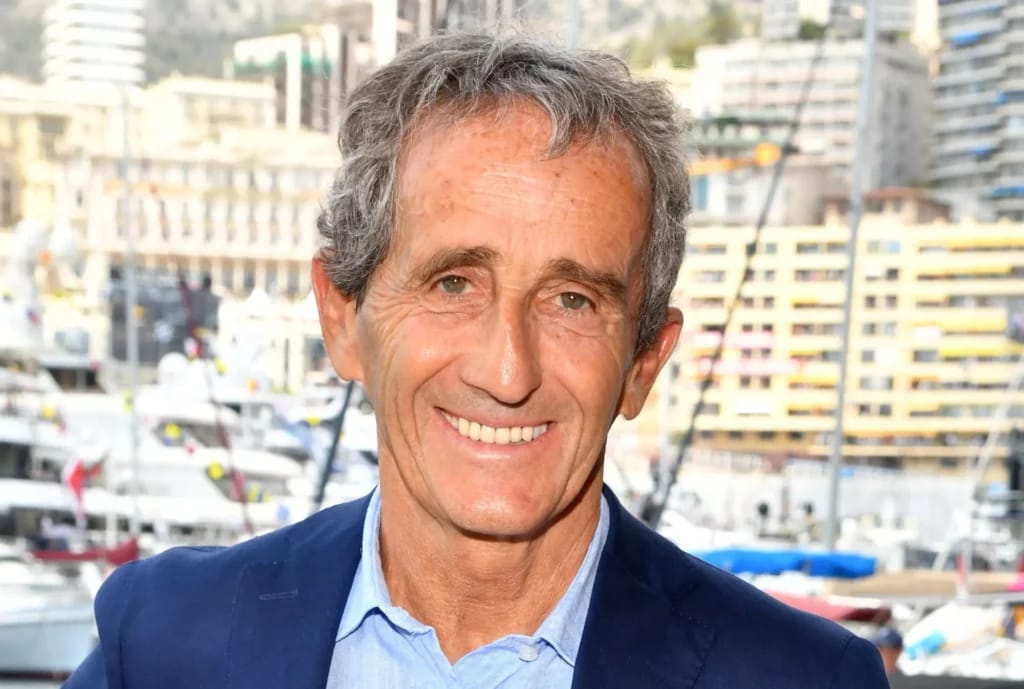 Alain Prost
Prost also greatly benefited from personal sponsorship contracts throughout his career, with brands such as Elf, Renault, and TAG Heuer, attracted by his image as a serious champion. After leaving the cockpit, Alain Prost founded and ran his own F1 team (Prost GP) from 1997 to 2001 – an entrepreneurial adventure that, while sportingly challenging, strengthened his management skills.
Subsequently, he remained involved as a consultant (notably for Renault F1 until 2022) and investor. He has diversified his estate through real estate investments and became an ambassador for various technology projects (such as Formula E in its early days). This ability to multiply lucrative activities, combined with his exceptional career, explains why Alain Prost dominates today’s ranking of the wealthiest French drivers.
Conclusion
This ranking of the richest French F1 drivers in 2025 highlights the incredible financial trajectory of iconic figures in motorsport. From the consistency of Jean-Éric Vergne to the living legend of Alain Prost, each driver managed to diversify their income – salaries, sponsors, performance bonuses, and shrewd investments – to build an exceptional fortune. Their success demonstrates that, in the unforgiving world of F1, track talent and entrepreneurial spirit combine to create colossal estates, inspiring the new generation of drivers to always aim higher.
FAQ on the Wealth of French F1 Drivers
Who is the richest French F1 driver?
Unsurprisingly, Alain Prost is the richest French driver in history, with an estimated fortune of around $100 million. His four world titles and his post-career activities (Prost GP team, consultant, investments) allowed him to far outpace other French drivers in terms of wealth. Behind him comes Jean Alesi (approximately $50 million) then current drivers like Pierre Gasly and Esteban Ocon, whose fortunes are in the range of tens of millions.
How do F1 drivers earn money outside of Grand Prix salaries?
Beyond their salary paid by the team, F1 drivers earn significant income from sponsors and advertising contracts. For example, a driver can become the spokesperson for a watchmaking, energy drink, or automotive brand and earn millions in endorsements. They also receive performance bonuses (victories, titles, points scored) paid by the team or sponsors.
Many drivers invest their earnings in financial investments or real estate, which grows their fortune over the long term. Finally, some launch motorsport-related businesses (teams, driving schools, e-sports…) or become media consultants, thereby adding new income sources to their portfolio.
Can new French drivers (Gasly, Ocon) become as rich as Prost or Alesi?
They are on that path, but it will depend on their results and the longevity of their career. Pierre Gasly and Esteban Ocon have already accumulated approximately $30 million and $20 million respectively in assets over a few seasons. If they manage to achieve additional victories, or even compete for the world title in the future, their salaries will increase and they will attract even more sponsors, which will grow their fortune.
Without major results, however, their income could plateau. Let us not forget that Prost raced for 13 seasons and won 4 titles: it is this extraordinary record that allowed him to negotiate extremely lucrative contracts. The new generation has the potential to shine both sportingly and financially, but matching Prost will remain a challenge both on and off the track.
Do French F1 drivers all come from wealthy families?
Not at all. Contrary to a common misconception, not all drivers grew up in wealth. Esteban Ocon is the best example: his parents had to make enormous sacrifices (selling the family home, living in a caravan) to finance his early karting career. Pierre Gasly was not born wealthy either, even though he was able to count on federation and sponsor support relatively early.
On the other hand, some did have a comfortable or motorsport-connected family background: Jean-Éric Vergne benefited from his father’s karting connections, Sébastien Bourdais is the son of an amateur driver, and Jacques Laffite is the son-in-law of Jean-Pierre Jabouille, which helped him in his early days. But ultimately, whether coming from a modest or affluent background, it is talent and hard work that allowed these drivers to reach F1, then to build their own wealth. Personal merit and on-track results remain the determining factor in financial success for a Grand Prix driver.