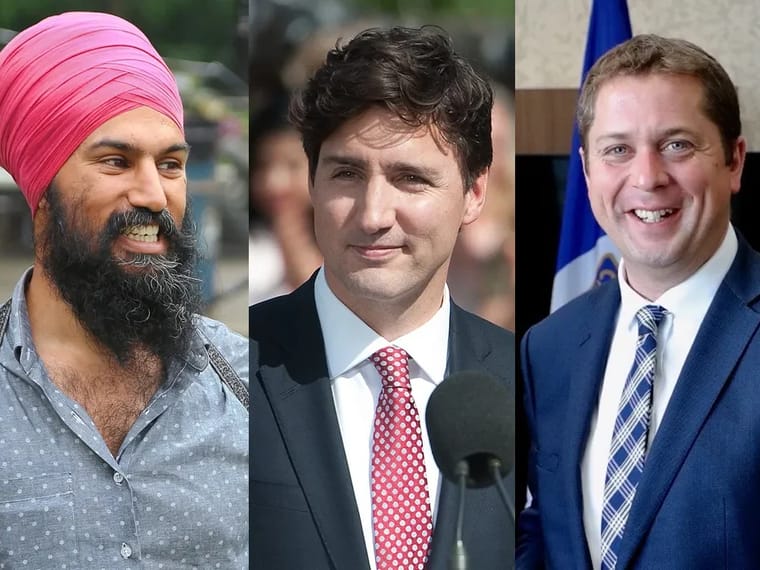
Richest Politicians in Canada
Amounts mentioned are estimates based on public sources and can vary depending on methodology (income, assets, debt) and update date.
Top 10 Richest Canadian Politicians in 2026
Even though political life is not generally associated with extravagant salaries, some Canadian politicians manage to accumulate impressive fortunes. Whether they inherited family empires, found success in business before entering politics, or invested wisely, these figures combine power and prosperity. Discover the descending ranking of the 10 wealthiest politicians (current or former) in Canada in 2026. Prepare yourself for a few surprises about the scale of their wealth and the multiple sources of their income!
Methodology and countdown logic
This page is intentionally ordered as a countdown from #10 to #1: the estimated fortunes rise as the reader moves down the list. Figures are editorial orders of magnitude in Canadian dollars, not audited asset declarations. We prioritize Lama Fortune’s current and old archive values, then check them against public signals such as Forbes for Hal Jackman, Stronach Group reporting, Morneau Shepell coverage and the 2026 Canadian parliamentary allowances manual.
| Rank | Person | Estimated net worth | Main wealth driver |
|---|---|---|---|
| #10 | Doug Ford | C$50 million | Deco Labels, private dividends and real estate |
| #9 | John Tory | C$50 million | Tory family, Rogers Media, boards and investments |
| #8 | Bill Morneau | C$60 million | Morneau Shepell, shares, dividends and McCain family ties |
| #7 | Jagmeet Singh | C$78 million | Former political salaries, family wealth signals and estimated investments |
| #6 | Brian Mulroney | C$94 million | Boards, speaking fees and stock holdings |
| #5 | Justin Trudeau | C$125 million | Trudeau family inheritance, real estate, investments and public income |
| #4 | Paul Martin | C$300 million | Canada Steamship Lines, real estate and advisory roles |
| #3 | Kevin O’Leary | C$500 million | SoftKey, television, finance and startups |
| #2 | Belinda Stronach | C$800 million | Magna, Stronach Group, inheritance and family assets |
| #1 | Hal Jackman | C$3.7 billion | E-L Financial, insurance and investments |
10th: Doug Ford – 50 million Canadian dollars
Estimated net worth: C$50 million.
Douglas Doug Ford Jr. is the current Premier of Ontario, but his wealth comes primarily from his entrepreneurial background. Before entering politics, Doug Ford ran the family business Deco Labels, specializing in label printing. As the sole owner of Deco Labels, he benefited from significant company growth, notably by supplying signs and signage materials during the Covid-19 pandemic. These business successes, combined with assets inherited from his father (who was himself a provincial MP), explain why Doug Ford’s fortune is estimated at around 50 million dollars.
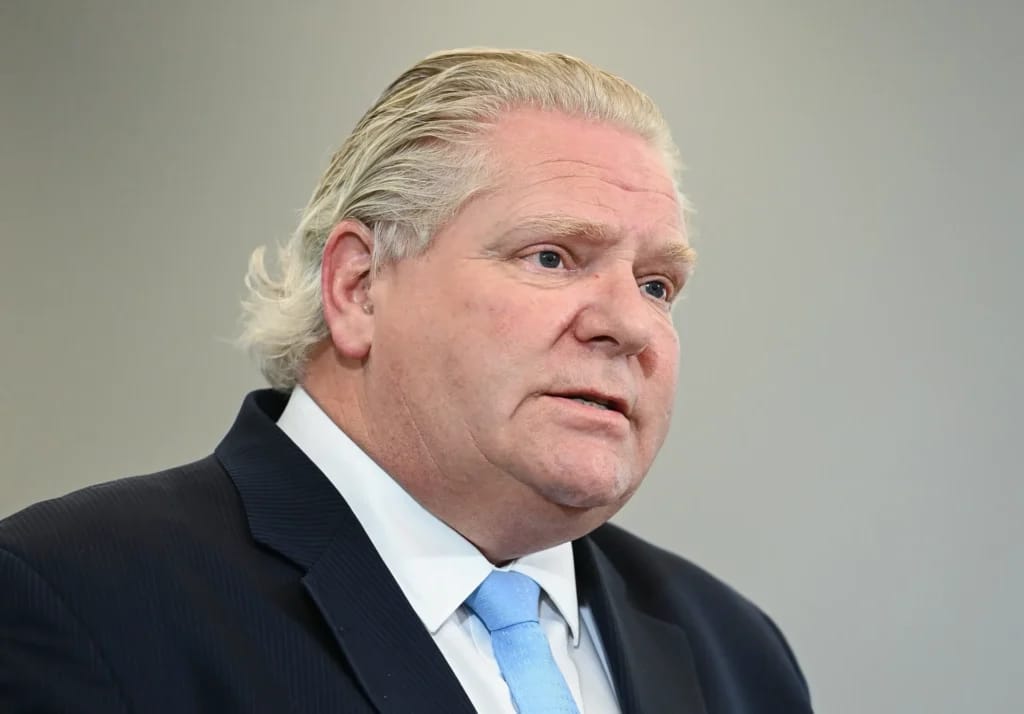 Doug Ford
His provincial premier’s salary (approximately $206,000 per year) represents only a small fraction of this amount, with the rest coming from his business dividends, private investments, and real estate holdings. Despite his relatively modest lifestyle, Doug Ford is among the rare Canadian politicians to reach such a level of wealth.
9th: John Tory – 50 million Canadian dollars
Estimated net worth: C$50 million.
Former Mayor of Toronto (2014-2023) and well-known figure in Ontario politics, John Tory has a fortune of approximately 50 million dollars. From an influential family (his father co-founded the major law firm Torys LLP), John Tory first built a career as a lawyer and businessman. He notably served as CEO of Rogers Media in the 1990s and sat on various corporate boards, which allowed him to accumulate substantial income in addition to his public salary. His sources of income include his family inheritance, his management salaries in the private sector, and lucrative financial investments.
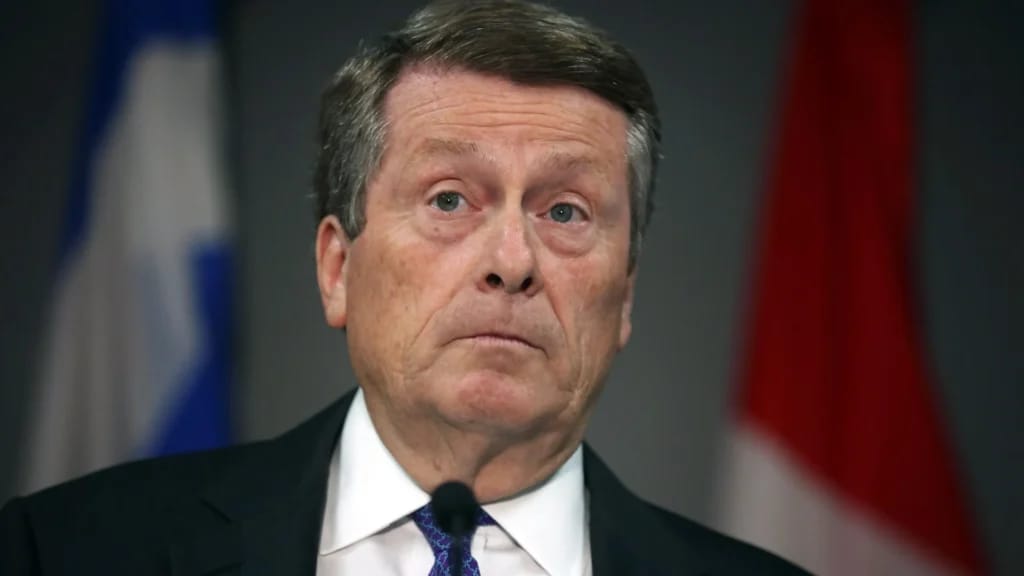 John Tory
Although his position as mayor brought him a modest salary by comparison (around $200,000 per year), John Tory continued to manage his private interests during his political life. Known for his professionalism and measured style, he leveraged his network and business expertise to grow his wealth while serving the city of Toronto.
8th: Bill Morneau – 60 million Canadian dollars
Estimated net worth: C$60 million.
A seasoned businessman turned Finance Minister (2015-2020) of Canada, Bill Morneau has a personal fortune estimated at more than 50 million dollars, which some evaluate at around 60 million in 2026. Before entering politics, he led Morneau Shepell, the large human resources firm founded by his family, and greatly benefited from the company’s growth (valued at approximately 1 billion dollars at the time of his entry into politics). His wealth comes primarily from the sale of shares and dividends from Morneau Shepell, as well as other financial investments.
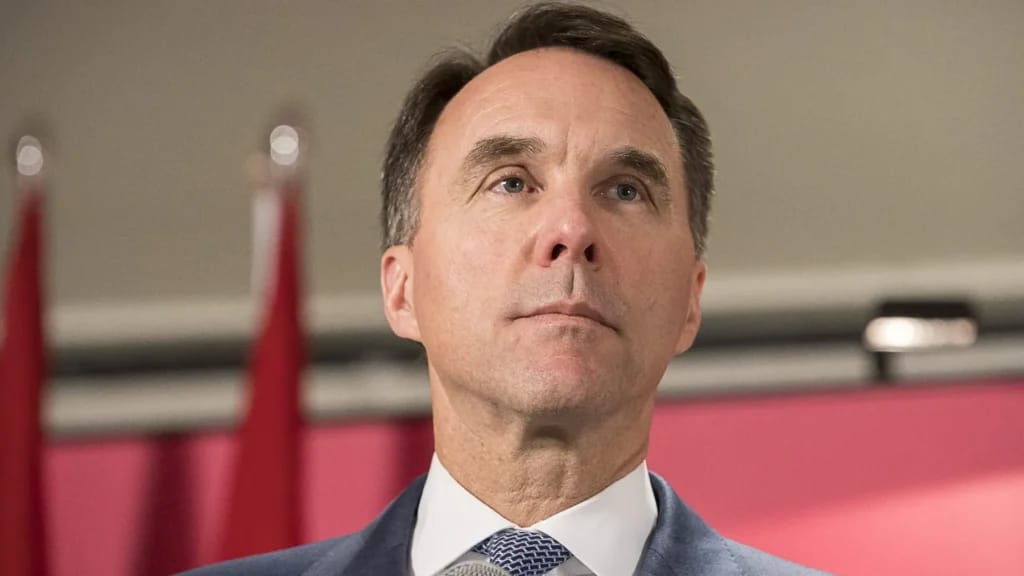 Bill Morneau
Added to this is a matrimonial advantage: his wife Nancy McCain is the heiress to the McCain Foods empire (the famous “McCain fries”), making them one of the wealthiest couples in Ottawa. Although Bill Morneau received a federal minister’s salary during his tenure, it is primarily his success in the private sector and his family assets that explain the scale of his wealth. His case illustrates how some business leaders move into politics while retaining very solid financial foundations.
7th: Jagmeet Singh – 78 million Canadian dollars
Estimated net worth: C$78 million.
The presence of Jagmeet Singh, former leader of the New Democratic Party (NDP), in this ranking may come as a surprise. After losing his seat in the April 28, 2025 federal election, he stepped down from the party leadership when Don Davies was selected as interim leader. His net worth remains estimated at 78 million dollars, making him one of the wealthiest former federal politicians. This estimated fortune, though subject to debate, would be explained by several factors. Before entering politics, Jagmeet Singh worked as a lawyer and was able to save a comfortable capital. From a well-off family of Indo-Canadian migrants, he likely benefited from financial support from his relatives – for example, some reports indicate he may have received family assistance to acquire his residence.
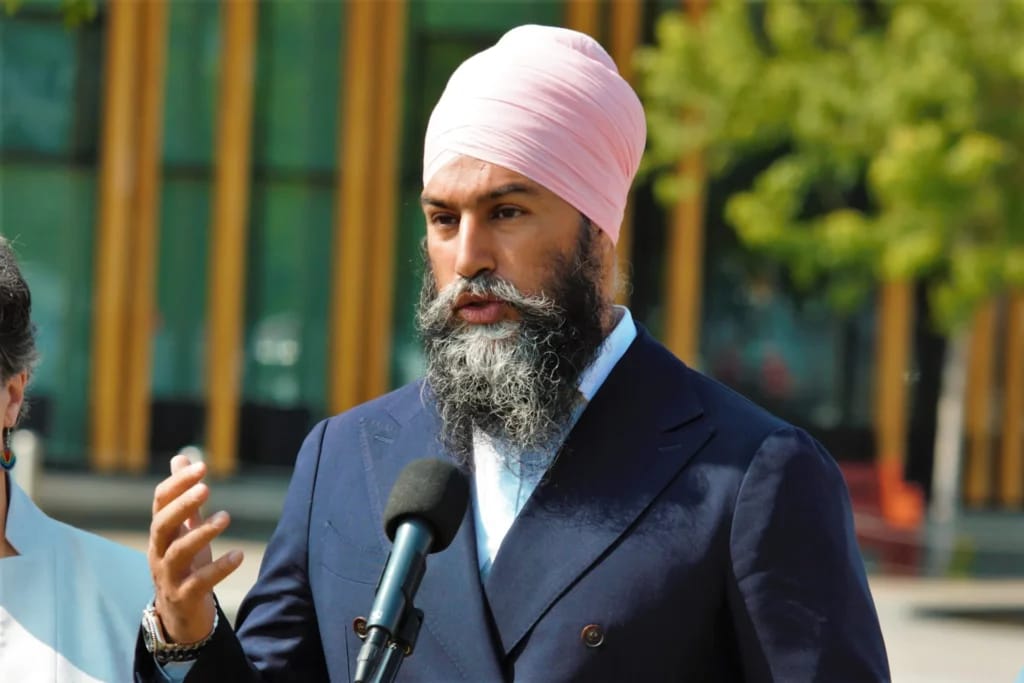 Jagmeet Singh
Furthermore, Jagmeet Singh earned salaries as a provincial MPP in Ontario and then as a federal MP before losing his seat in the April 28, 2025 federal election and stepping down once an interim NDP leader was appointed. His 2026 estimate should therefore not be read as the fortune of a sitting MP or recognized party leader still drawing a House leadership allowance; it rests primarily on personal investments, possibly in real estate and private placements, plus family assets. Known for his sophisticated style (tailored suits, luxury watches), Jagmeet Singh illustrates that even a former leader of a party focused on economic equality can belong to the country’s millionaire class.
6th: Brian Mulroney – 94 million Canadian dollars
Estimated net worth: C$94 million.
Former Prime Minister of Canada from 1984 to 1993, the Honorable Brian Mulroney leveraged his experience and contacts after his political career to build a fortune estimated at approximately 94 million dollars. From humble beginnings in Gaspesia, Mulroney was a business lawyer before entering politics. During his tenure as prime minister, he did not become wealthy through his public salary, but it was after leaving office that he truly accumulated his wealth. Brian Mulroney sat on the boards of numerous multinationals (such as mining company Barrick Gold, bank JP Morgan, or the firm Blackstone), where his board fees and stock allocations brought him millions.
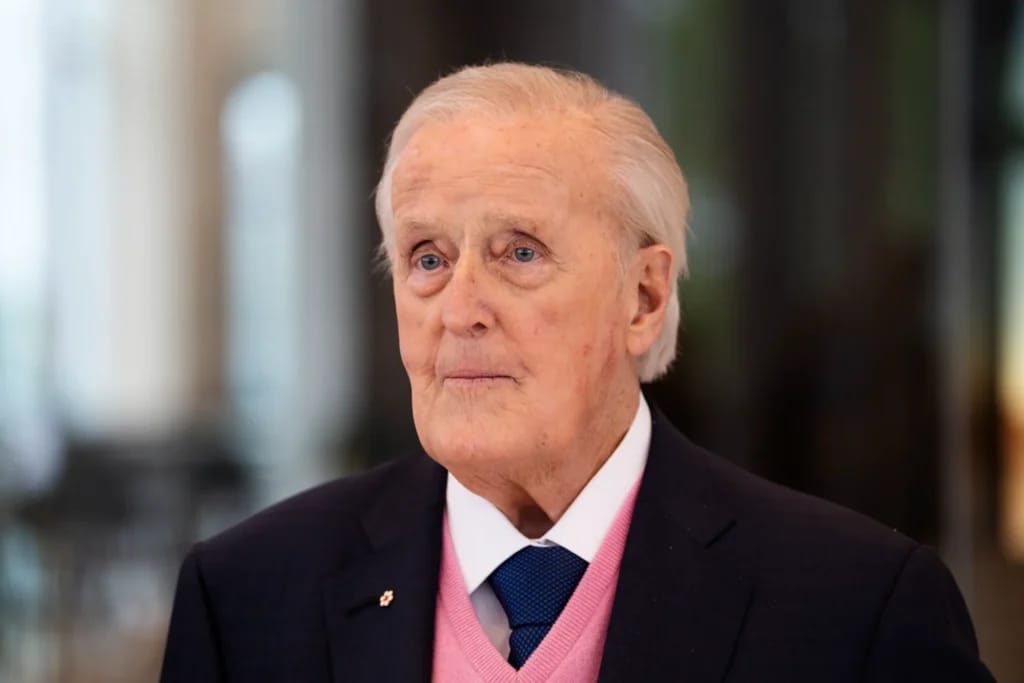 Brian Mulroney
This estimate should be read as a historical value at the time of his death, since Brian Mulroney died on February 29, 2024. At that point, he was estimated to have held company shares with a declared value of more than 90 million dollars, alongside past fees as an international speaker, strategic-advisory work, and his pensions and allowances as a former prime minister. His late-life estate made him one of the wealthiest former leaders in Canadian history, symbolizing the lucrative bridge that can exist between high public office and the business world.
5th: Justin Trudeau – 125 million Canadian dollars
Estimated net worth: C$125 million.
Former Prime Minister of Canada from 2015 to March 2025, succeeded by Mark Carney after Carney’s March 14, 2025 swearing-in, Justin Trudeau remains one of Canada’s wealthiest political figures after leaving office. His personal fortune is estimated at approximately 125 million Canadian dollars (approximately 96 million US dollars). A large portion of this wealth comes from the inheritance of his father, former Prime Minister Pierre Elliott Trudeau. Justin and his brothers inherited a sum exceeding $40 million, which served as the foundation of his wealth.
Unlike many, he had capital from the start that he grew: Trudeau holds a portfolio of diversified investments, including real estate assets of approximately $50 million and stock market investments estimated at $20 million according to some sources. His prime-ministerial compensation sat in the high six figures; as an updated benchmark, the 2026 parliamentary allowance schedule lists C$435,400 for the prime minister (MP indemnity plus the prime minister allowance), comfortable but not decisive relative to his total fortune. Justin Trudeau also derived income from his memoirs and paid speaking engagements before coming to power.
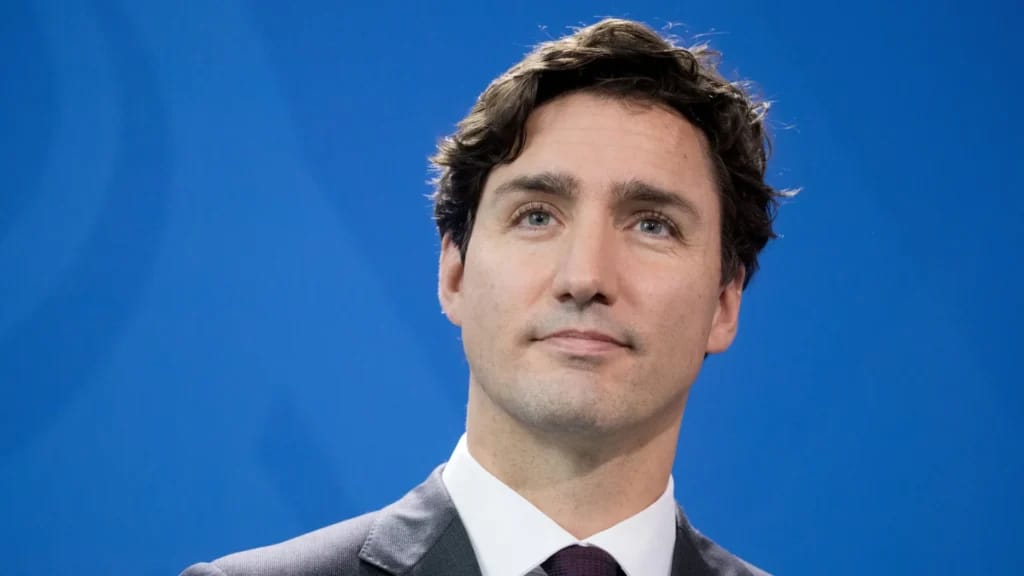 Justin Trudeau
His atypical financial situation for a former head of government fuels curiosity: he is sometimes cited among “the richest politicians in the world.” After leaving the prime minister’s office, Trudeau retains a strong public profile while managing his wealth through trusts and financial advisors to avoid conflicts of interest.
4th: Paul Martin – 300 million Canadian dollars
Estimated net worth: C$300 million.
Former Prime Minister (2003-2006) and renowned Finance Minister, Paul Martin is a notable example of a politician with a prosperous business background. His fortune is estimated at approximately 300 million dollars. Before his political career, Paul Martin built his wealth by running Canada Steamship Lines (CSL), a shipping company he purchased in the 1980s. Under his leadership, CSL became a major player in global maritime transport, which considerably enriched Martin.
According to Forbes magazine, his fortune was already estimated at $225 million US around 2004, when he was head of the Canadian government. Converted to Canadian dollars and adjusted to 2026, this approaches 300 million. Paul Martin’s sources of income include the proceeds from the sale of CSL (he handed management of the company to his sons upon entering politics, but the family retained ownership), investments in commercial real estate, and roles as international advisor after his retirement from active politics.
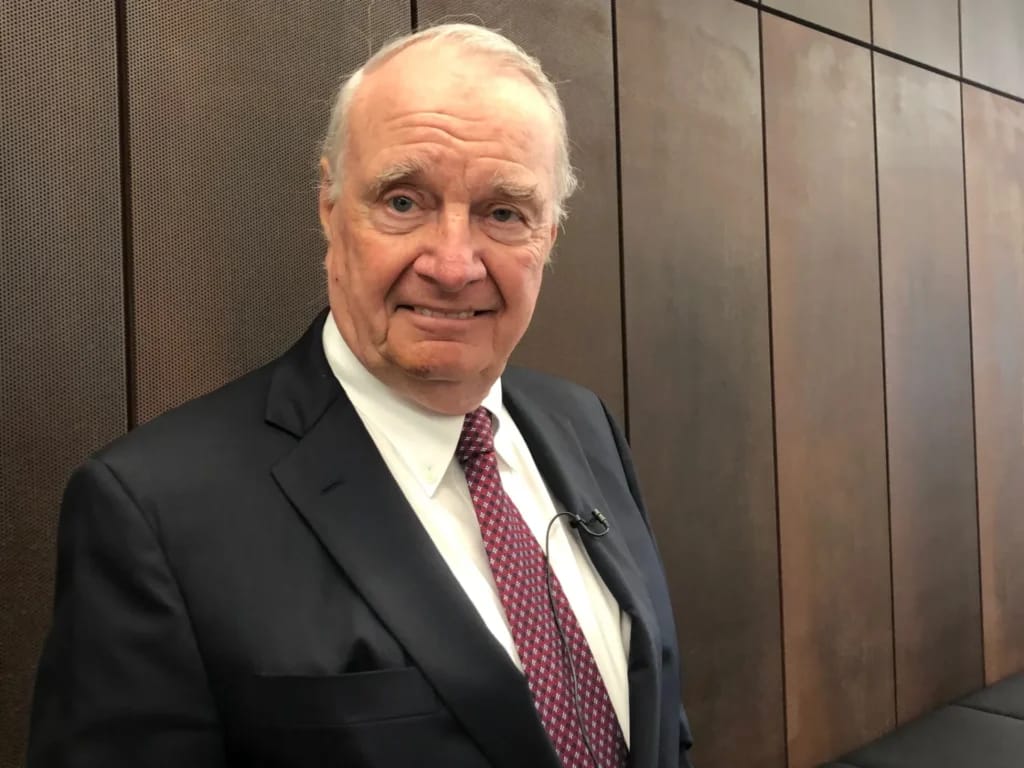 Paul Martin
Although he received a salary as minister and then prime minister, the bulk of his wealth comes from his prior entrepreneurial boldness. Today, Paul Martin remains engaged in philanthropy through his initiative for Indigenous peoples, a luxury he can afford thanks to the financial ease accumulated over the decades.
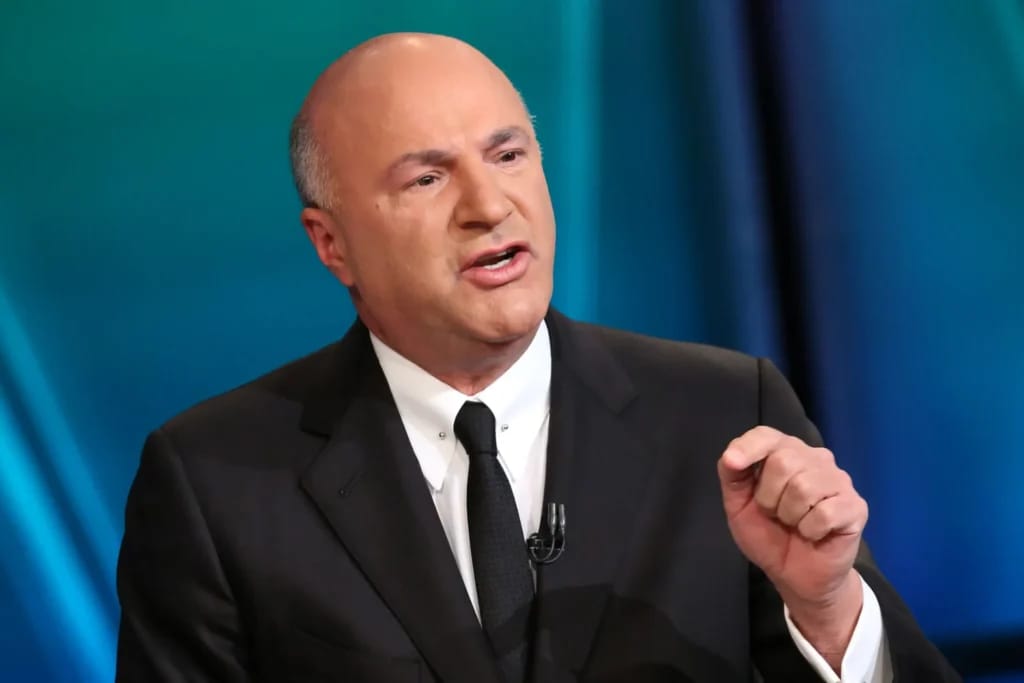
3rd: Kevin O’Leary – 500 million Canadian dollars
Estimated net worth: C$500 million.
Known to the general public for his role on the television show Shark Tank, Kevin O’Leary is a businessman and economic commentator who made a foray into politics. In 2017, he ran (briefly) for the leadership of the Conservative Party of Canada, which allows us to count him among politicians in the broad sense. His colossal fortune, estimated at 500 million Canadian dollars (approximately $400M US), comes from a series of entrepreneurial successes. Kevin O’Leary co-founded in the 1980s an educational software company, SoftKey International (The Learning Company), which he sold to Mattel in 1999 for the astronomical sum of $4.2 billion US. This sale brought him a significant share of cash and stock.
 Kevin O’Leary
Subsequently, O’Leary multiplied his investments (O’Leary Funds investment funds which he sold in 2016), and he became a well-paid media personality, which also feeds his income. His sources of wealth therefore include technology (software), television (as a business panelist), the financial sector, and various stakes in startups. Even though he ultimately held no public office, Kevin O’Leary remains one of the wealthiest Canadians linked to the political sphere. His bluntness and his nickname “Mr. Wonderful” contrast with the typical profile of Canadian politicians, but his financial success is undeniable and spectacular.
2nd: Belinda Stronach – 800 million Canadian dollars
Estimated net worth: C$800 million.
Belinda Stronach combines industrial heritage, entrepreneurial success, and a political career. Daughter of billionaire industrialist Frank Stronach (founder of Magna International), she served as a federal MP and minister between 2004 and 2008. Belinda Stronach today has a fortune estimated at around 800 million dollars. Her wealth comes first and foremost from the Stronach family empire. In 2020, a family settlement split Frank Stronach’s fortune, allowing Belinda to take full control of the Stronach Group (including assets in horse racing, casinos, North American real estate, etc.) while her parents retained the thoroughbred breeding operations and certain European operations.
Before that, Belinda had already benefited from millions in dividends as a former executive of Magna International and significant share holdings. Her wealth grew through her roles as CEO of the Stronach Group and co-founder of the investment fund Acasta Enterprises. Although she received a public salary as an MP and minister, the overwhelming majority of her income comes from her inheritance and the growth of the family businesses she leads.
 Belinda Stronach
For perspective, her father Frank’s fortune was estimated at $1.5 billion in 2018 before being divided. Belinda Stronach thus finds herself at the head of a vast empire, making her one of the wealthiest businesswomen in Canada and the wealthiest Canadian politician to have never held the position of prime minister.
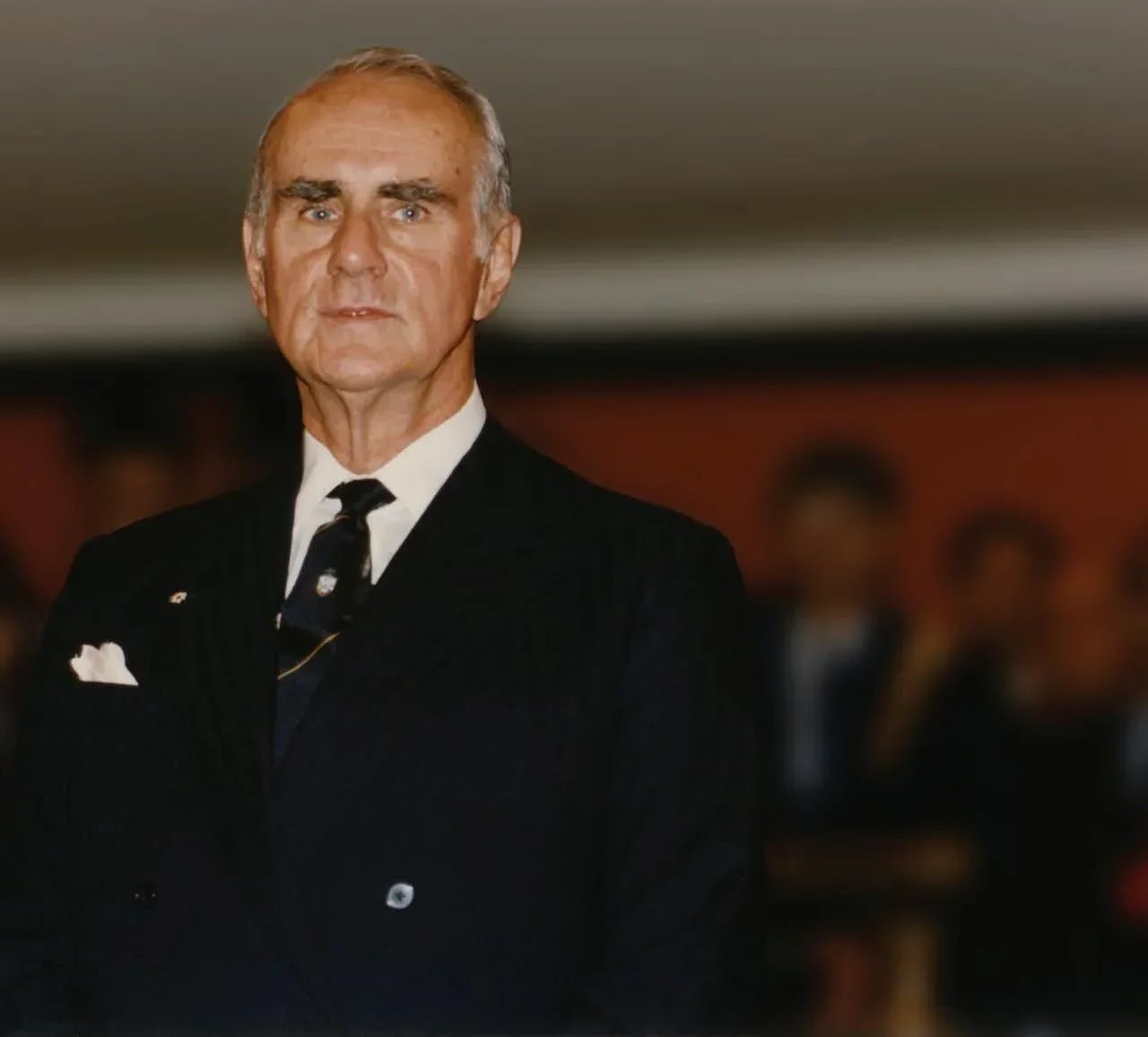
1st: Hal Jackman – 3.7 billion Canadian dollars
Estimated net worth: C$3.7 billion.
At the top of this ranking stands Hal Jackman, with a fortune of approximately 3.7 billion Canadian dollars (approximately US$2.7 billion). Henry “Hal” Jackman served as Lieutenant Governor of Ontario from 1991 to 1997 – a ceremonial position representing the monarch – and he comes from a family lineage blending politics and business. His wealth comes almost exclusively from his private investments.
Hal Jackman is indeed one of the principal shareholders of E-L Financial Corporation, a holding company encompassing insurance and investment companies founded by his family. According to Forbes, Hal Jackman’s profile lists him at US$2.7 billion as of May 8, 2026, keeping him among the world’s major private fortunes. His income comes from dividends and capital gains accumulated over decades, as well as diversified investments in real estate and works of art.
 Hal Jackman
Although his role as Lieutenant Governor carried no significant remuneration compared to his fortune (it is an honorary role compensated roughly like a senior civil servant), this makes Hal Jackman a rare example of a billionaire who also held a political function in Canada. Now over 90 years old, Hal Jackman is still engaged in philanthropy – he has made significant donations to the arts and education – while remaining at the head of a considerable family estate. He is officially the richest Canadian politician in 2026, far ahead of the others.
Conclusion
This overview shows that the Canadian political landscape includes within it a few individuals of extraordinary wealth. Although most elected officials live on a comfortable but modest salary, a minority of them – often from influential families or former captains of industry – hold fortunes that rival those of major entrepreneurs. It is noteworthy that none of these fortunes come from politics itself, but rather from inheritances, careers in the private sector, or shrewd investments made alongside public life.
This coexistence of money and power regularly raises questions of ethics and equity, but it also offers fascinating stories of combined success. From billionaires like Hal Jackman to heirs like Belinda Stronach, to self-made millionaires such as Kevin O’Leary or Paul Martin, each of these wealthy politicians has a unique trajectory where political ambition and entrepreneurial spirit intertwine.
Canada, renowned for the modesty of its leaders, nonetheless counts a few “political wealthy” whose assets inspire astonishment – and sometimes admiration or controversy. Whatever one thinks of it, these individuals demonstrate that in Canada too, some decision-makers know how to reconcile power and financial prosperity.
Key takeaways
- The article now reads as a clear countdown from #10 to #1, ending with the highest estimated net worth.
- Every politician has a visible estimated net worth in Canadian dollars and the order matches those figures.
- Most of the wealth comes from family businesses, investments, media, board roles or inheritances rather than public salaries.
Editorial methodology
The estimates published by Lama Fortune rely on public sources, media references, and sector comparisons. They are provided for informational purposes only and do not constitute financial advice.
Sources reviewed
Frequently asked questions
Who is the richest Canadian politician in this ranking?
Hal Jackman ranks #1 with an estimated fortune of about C$3.7 billion, mainly tied to E-L Financial and family investments.
Are these net worth figures official?
No. They are editorial estimates based on public information, Lama Fortune’s historical archive and available financial signals.
Why are candidates or former office-holders included?
The list includes Canadians who held political office, public office or a notable national political candidacy, even when their money was mainly made in the private sector.
Why do Doug Ford and John Tory both show C$50 million?
Both are kept around C$50 million; John Tory is placed above Doug Ford by editorial convention because of his longer private-sector and boardroom background.
Is a Canadian politician's salary enough to become wealthy?
No. The 2026 parliamentary allowance schedule lists about C$217,700 for a federal MP and about C$435,400 for the prime minister; the fortunes in this ranking mostly come from businesses, inheritances or private investments.