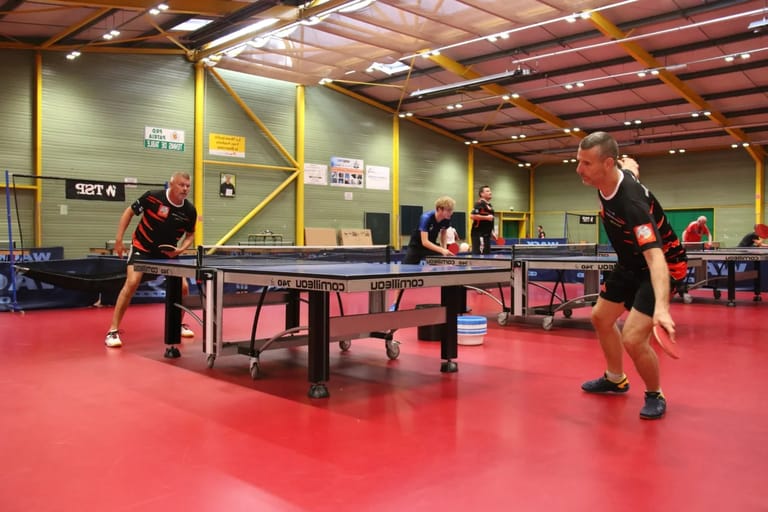
The Richest Ping-Pong Players in France
French table tennis has produced talented champions who have shone racket in hand and managed to profit from their success. In this ranking, we reveal the 10 richest ping-pong players in France in 2026. Even if their fortunes remain modest compared to stars in other sports, our tricolor table tennis players have nothing to be ashamed of. Between tournament winnings, sponsorship deals, club salaries and diversified careers, they have turned their sporting achievements into a solid financial legacy.
Top 10 Richest French Ping-Pong Players in 2026
10. Tristan Flore – €500,000
A young prospect turned reliable force in French ping-pong, Tristan Flore opens this ranking with an estimated fortune of €500,000. A junior European champion in his youth, Flore joined the senior French national team, winning medals in doubles and team events. His career was marked by a few injuries, but he nonetheless accumulated earnings from the Pro Tour and national championships. Supported by equipment sponsors throughout his development, he managed to set aside part of his income as a professional player. At 29, Flore remains active in Pro A (the French championship) and continues his pursuit of titles, while securing his financial future.
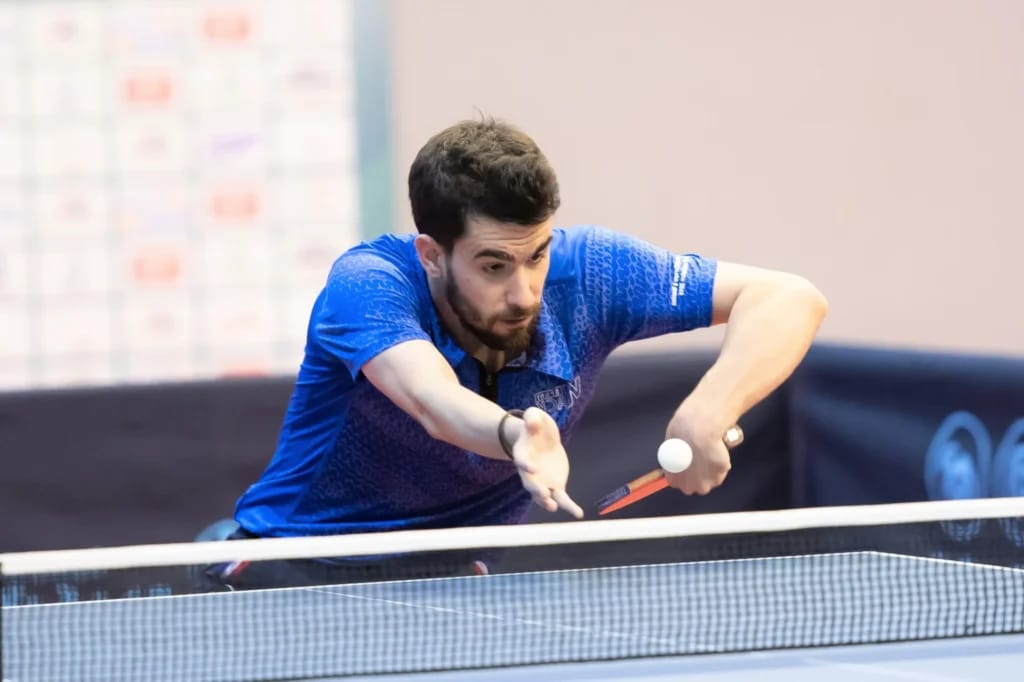 Tristan Flore
9. Adrien Mattenet – €600,000
The first Frenchman to enter the world Top 20 since the Gatien era, Adrien Mattenet has capitalized on his talent to amass approximately €600,000 in personal wealth. Revealed to the general public at the 2012 Olympic Games, this tall and slender player became known for his offensive style and determination. Over the course of his career, Mattenet won several international Opens, earning significant prize money for the table tennis discipline.
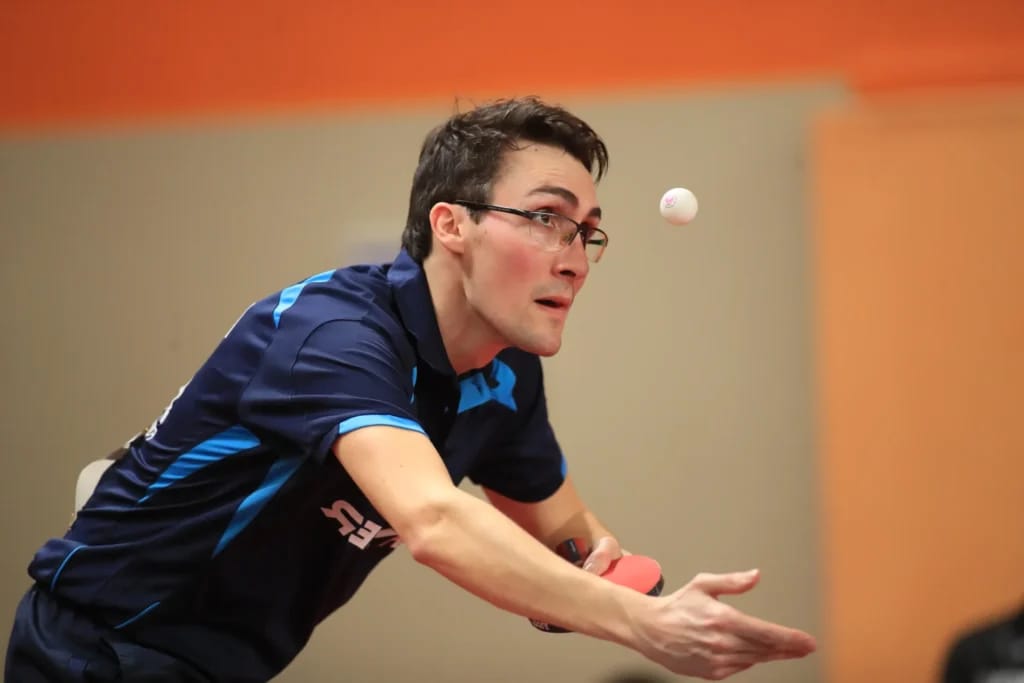 Adrien Mattenet
Sponsorship deals, notably with a French ping-pong table brand, boosted his income. Now at the end of his playing career, he is involved in coaching young players and was able to invest a portion of his earnings, ensuring a smooth transition into post-competition life.
8. Damien Éloi – €700,000
A true acrobat of the table and veteran of French ping-pong, Damien Éloi ranks among the wealthiest with an estimated valuation of approximately €700,000. Active from the 1990s well into the 2010s, Éloi participated in four Olympic Games and won several doubles medals (notably alongside Jean-Philippe Gatien at the World Championships).
 Damien Éloi
His performances allowed him to earn tournament bonuses on every continent, and his longevity secured him player contracts in the Bundesliga (German championship), one of the most lucrative leagues. A beloved showman, Damien also took part in table tennis exhibitions and clinics, adding a few fees to his nest egg. Still passionate about the sport, he is now involved in training young table tennis players while enjoying the financial fruits of his long career.
7. Christophe Legoût – €800,000
A regular fixture in the French elite during the 2000s, Christophe Legoût accumulated an estimated fortune of €800,000. A multiple French champion and pillar of the national team, he excelled in the Pro A championship and internationally, participating in three Olympiads. His income came partly from his victories in France and Europe, as well as from expatriate player salaries — Legoût having played for well-funded German and Belgian clubs.
 Christophe Legoût
Supported during his career by a Japanese equipment manufacturer, he benefited from modest but regular advertising contracts. After hanging up his competition racket, he spent a few years in Australia coaching young talent, converting his experience into income. Serious and consistent, Christophe made good use of his career’s stability to secure his financial future.
6. Emmanuel Lebesson – €1 million
European champion in 2016 to everyone’s surprise, Emmanuel Lebesson turned that achievement into a financial springboard, building a net worth of approximately €1 million. This left-handed player with a formidable topspin accumulated international tournament winnings thanks to his European gold medal and French national titles. His sudden notoriety earned him sponsorship deals with sporting equipment brands and opened the doors to prestigious foreign clubs (he notably played in the Japanese championship, which is highly lucrative for foreign players).
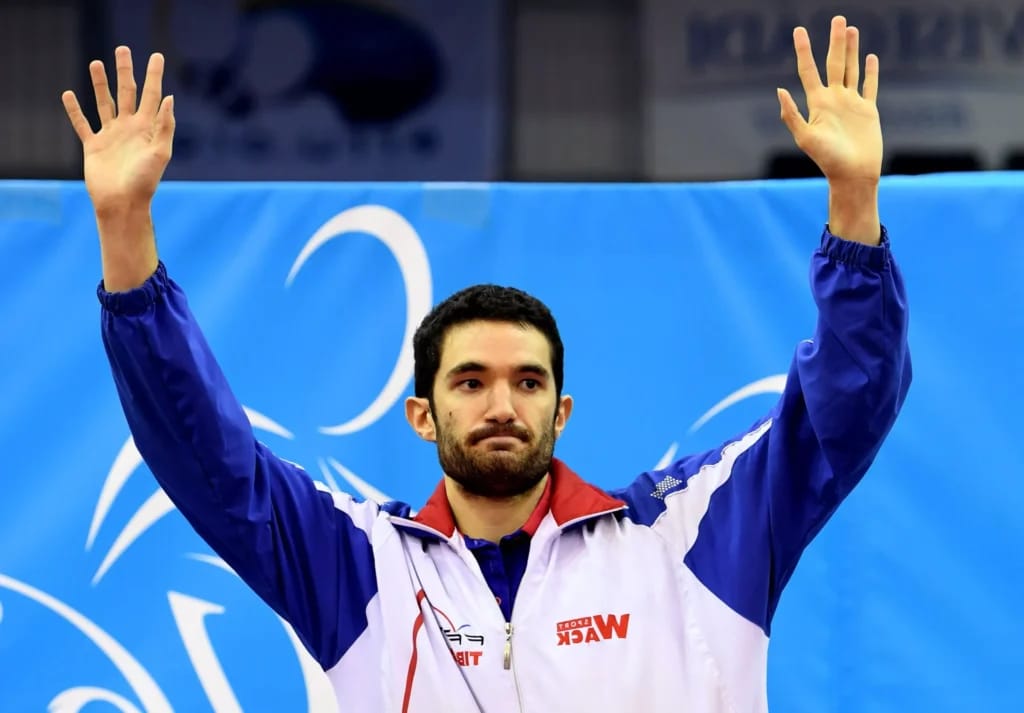 Emmanuel Lebesson
Alongside his playing career, which he continues in 2026, Lebesson has made several personal investments, aware of the importance of preparing for life after ping-pong. Still a competitor at heart, he keeps returning to the table to grow his fortune while inspiring the next generation with his unconventional journey.
5. Félix Lebrun – €1.2 million
A prodigious young talent in French ping-pong, Félix Lebrun, at just 18 years old, already boasts an estimated fortune of €1.2 million. The youngest member of this top 10, he made his mark by winning his first matches on the world circuit against top-10 players while still in his teens. His outstanding performances (bronze medalist at the European Championships in singles) earned him lucrative sponsorship deals with a racket manufacturer and national partners eager to associate their image with this rising star.
 Félix Lebrun
Félix also benefits from the financial support of his home club in France and bonuses for each national title won (he is already a senior French champion). While he is only at the beginning of his career, the younger of the Lebrun brothers has chosen to invest his first earnings prudently, while keeping his eyes fixed on the sporting — and financial — heights of world ping-pong.
4. Alexis Lebrun – €1.5 million
Félix’s older brother and a phenomenon of French table tennis, Alexis Lebrun takes 4th place with a fortune of approximately €1.5 million. At 20, Alexis has already won several World Table Tennis stages and dominated the national scene (multiple French champion). These successes have earned him substantial prize money for the discipline, bolstered by his transfer to a major European club competing in the Champions League.
 Alexis Lebrun
On the sponsorship side, his spectacular playing style and charisma earned him a contract with a global equipment manufacturer, as well as partnerships with consumer brands seeking young ambassadors. Alexis Lebrun has diversified his earnings by participating in highly publicized exhibition events alongside international legends, which adds to his renown — and his bank account. Determined to keep up this momentum, he could well climb further up this ranking in the years to come.
3. Patrick Chila – €1.8 million
A monument of French ping-pong from the 90s and 2000s, Patrick Chila takes the podium with an estimated fortune of €1.8 million. Bronze medalist in doubles at the Sydney 2000 Olympic Games (alongside Gatien), he also won four French championship titles in singles. Although prize money in his era was more modest, Chila nonetheless accumulated international tournament winnings (notably on the Pro Tour, where he won several opens).
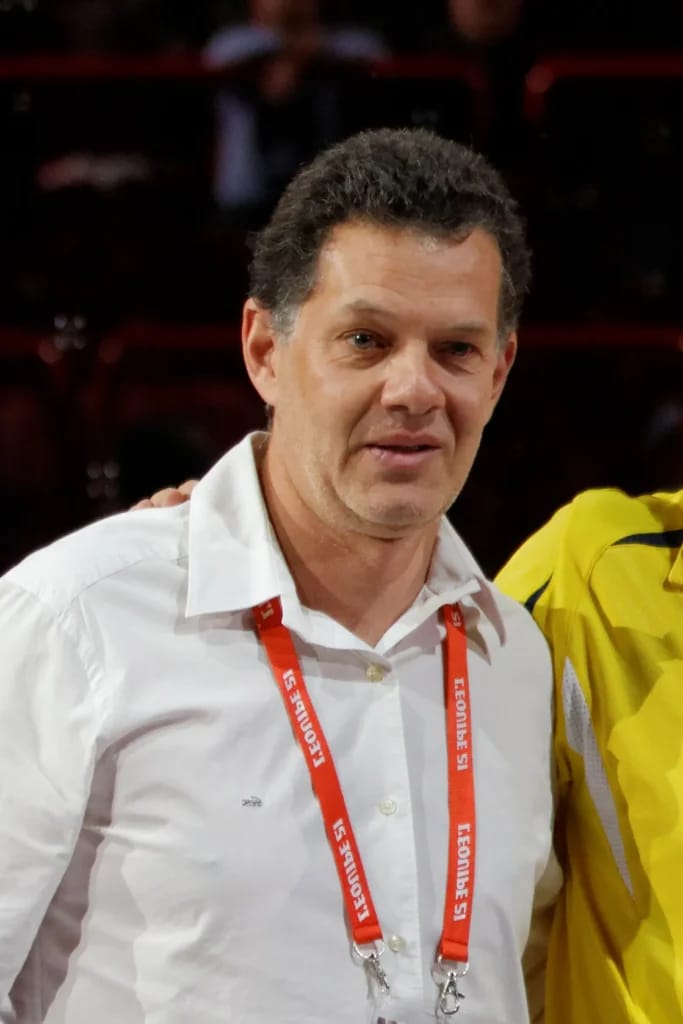 Patrick Chila
His popularity earned him long-term sponsorship deals with equipment brands (including his famous signature racket blade, a bestseller in France). Nicknamed “Chilax” for his Olympic calm, he intelligently prepared for his sporting retirement. Patrick invested in real estate and became a national coach, drawing a salary from the federation. Still close to the tables as a TV consultant during major competitions, he continues to leverage his image while enjoying well-deserved financial stability.
2. Simon Gauzy – €2.5 million
The current star of French ping-pong, Simon Gauzy climbs to 2nd place with an estimated net worth of €2.5 million. A former world number 8, Gauzy has flown the French flag high, reaching the final of the European championship in 2016 and winning numerous opens on the professional circuit. Throughout his career, he has pocketed over €300,000 in prize money in singles and doubles — a notable sum in this sport. But it is above all through his player contracts abroad that he grew his fortune: a pillar of the German club Ochsenhausen and then recruited by a major Russian club, he benefited from substantial salaries overseas.
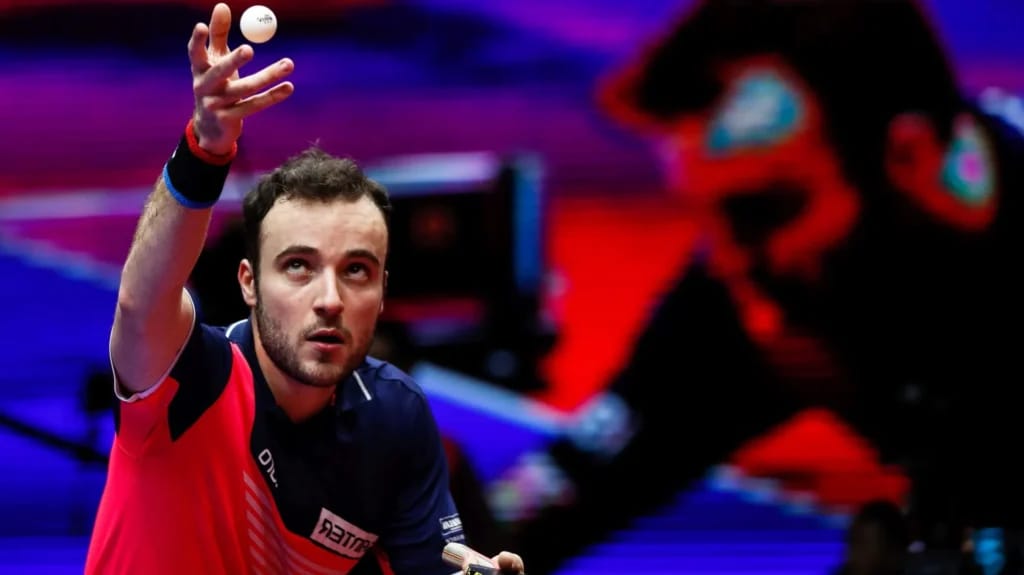 Simon Gauzy
On the sponsorship front, Simon is the ambassador of a sports clothing brand and has his own line of equipment (racket and rubber sheets bearing his name), which provides him with additional income through royalties. At 30, in his prime, Gauzy capitalizes on his experience: he also runs high-end training camps and plans to eventually open his own academy, proof that his entrepreneurial spirit rivals his backhand topspin.
1. Jean-Philippe Gatien – €5 million
A living legend of French table tennis, Jean-Philippe Gatien clearly dominates this ranking with an estimated fortune of €5 million. The only French world singles champion (crowned in 1993) and Olympic vice-champion in 1992, Gatien made history in ping-pong through his exceptional record. These achievements earned him performance bonuses at a time when Chinese champions reigned supreme, and opened the doors to lucrative partnerships (equipment manufacturers, personal sponsorship with a French bank in the 1990s). Nicknamed “La Gat’” by fans, this left-handed player with a formidable attacking game prepared for his career transition very early on.
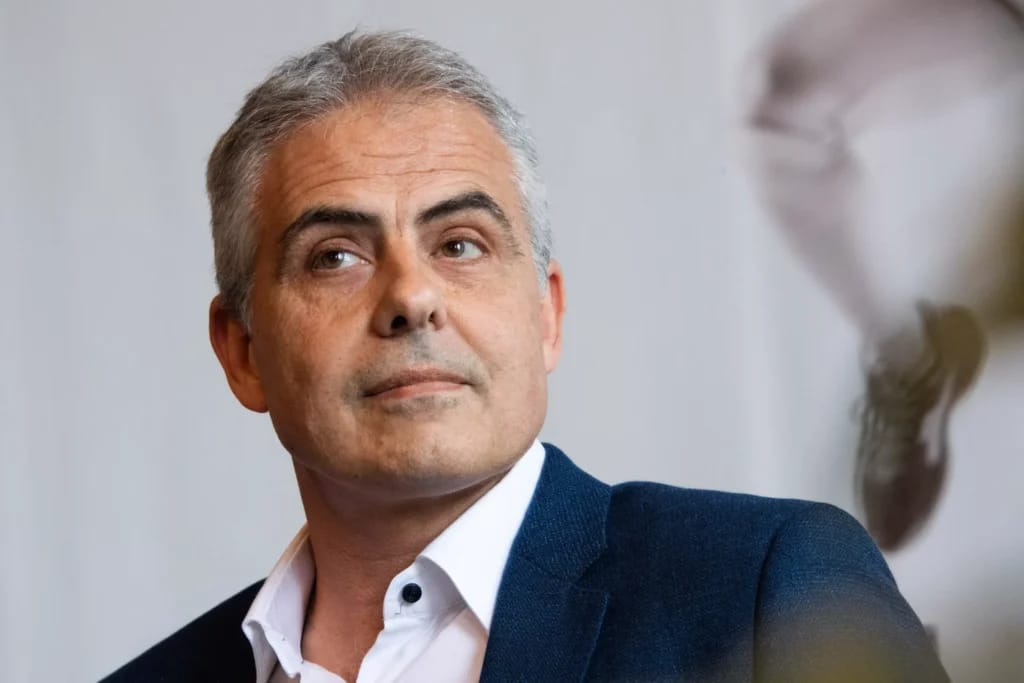 Jean-Philippe Gatien
Shortly after his playing career ended, he co-founded the first ping-pong bar in Paris, riding the wave of recreational ping-pong for the general public, and invested in several thriving sport-related businesses. Jean-Philippe Gatien also served as Director of Sports for the Paris 2024 Olympic Games organizing committee, a prestigious role that came with a comfortable salary. At 56, the man who remains the greatest French table tennis player of all time boasts a diverse and solid net worth, the result of a masterful sporting career and shrewd management of his image and investments.
Conclusion
French table tennis proves that a well-managed career at the tables can also translate into solid financial success. Whether young promising talents or confirmed legends, these players have made the most of their performances by combining tournament winnings, sponsorship deals and attractive salaries at prestigious clubs. Their journeys demonstrate that, even in a sport with generally more modest earnings than other disciplines, passion and perseverance make it possible to build a substantial net worth and prepare confidently for the future.
FAQ: Wealth of French Table Tennis Players
Who is the richest French ping-pong player in 2026?
In 2026, it is Jean-Philippe Gatien who remains the richest French ping-pong player. His fortune is estimated at around €5 million, far ahead of his compatriots. This gap is explained by his unique career studded with major titles and his successes away from the tables after his sporting retirement.
How do table tennis players earn their money?
Table tennis players draw their income from several sources. First, there are tournament winnings (prize money) when they achieve good results in international competitions. Then, the best sign sponsorship deals with equipment manufacturers (table, racket and ball brands) or other sponsors who pay them to carry their colors. They also receive club salaries if they play in professional leagues (in France, Germany, China, etc.). Finally, many diversify their income by running training camps, becoming coaches, media consultants, or investing in personal sport-related projects.
Can a table tennis player become a millionaire?
Yes, it is possible, though it remains rare. The world’s best table tennis players, particularly in China or Germany, can accumulate over several years an income exceeding one million euros thanks to highly professional leagues and generous sponsors. In France, only the very best, such as Jean-Philippe Gatien or Simon Gauzy, have managed to reach or approach millionaire status. Most top-level players earn a comfortable living without necessarily amassing fortunes comparable to those of tennis or soccer stars.
What is the salary of a ping-pong player in France?
In France, the salary of a professional table tennis player varies according to their level and club. In the Pro A championship (the elite), an average player can earn a few thousand euros per month, while the best French players on the circuit can aspire to €10,000 per month or more if they are highly ranked and sought after by clubs.
Abroad, particularly in the German Bundesliga or Chinese Super League, salaries can be even higher for international stars. It should be noted that on top of these base earnings come match bonuses, any federal support for national players, and individual sponsorship deals. Thus, a reigning French champion will combine their club salary, performance bonuses and advertising income, which can bring them close to a comfortable income equivalent to that of a senior executive.
Estimation methodology (2026)
This page provides an editorial estimate based on public information available at the time of update. Values can move quickly depending on contracts, investments, taxation, and non-public disclosures.
Calculation framework used
- Public gross income (salaries, fees, contracts, royalties)
- Known assets (equity stakes, real estate, brands, companies)
- Liabilities and commitments when data is available
- Currency conversion at prevailing rates at review time
Key limitations
- Some figures are media-reported and not independently audited
- Private-company valuations remain indicative
- Personal assets may be held through legal structures
Sources to monitor for the next update
- Annual reports, company registries, and official communications
- Recent interviews, agency releases, and announced contracts
- Sector rankings (Forbes, Sportico, Billboard, specialist outlets)
- Public salary/performance databases for the relevant industry
In brief
- The published value is an editorial range, not a certified amount.
- Net worth can change quickly with a new contract or major asset move.
- The update date is essential context for interpreting figures.
Key takeaways
- This article is an editorial synthesis built from publicly available information discussed in the page.
- The figures cited are estimates rather than audited financial statements.
- The conclusions focus on the revenue drivers and public signals described in the article.
Editorial methodology
The estimates published by Lama Fortune rely on public sources, media references, and sector comparisons. They are provided for informational purposes only and do not constitute financial advice.